


What's the difference between a temperature shock chamber and a high and low temperature chamber?
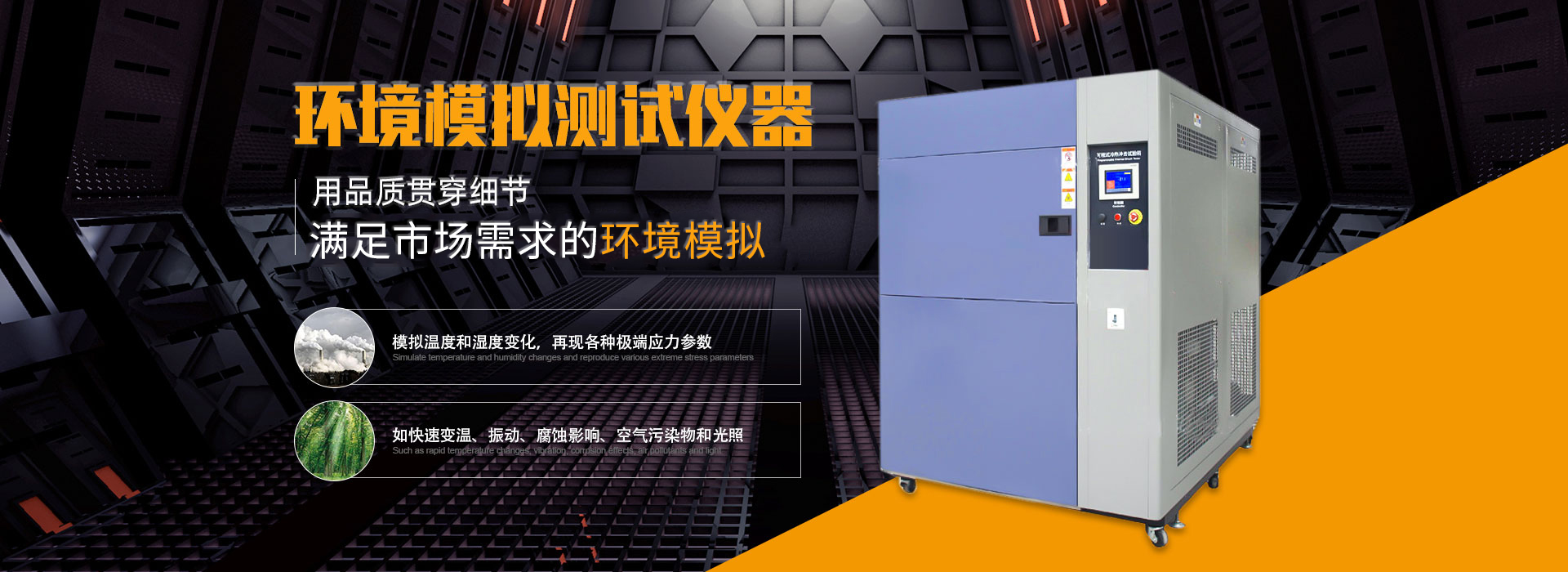
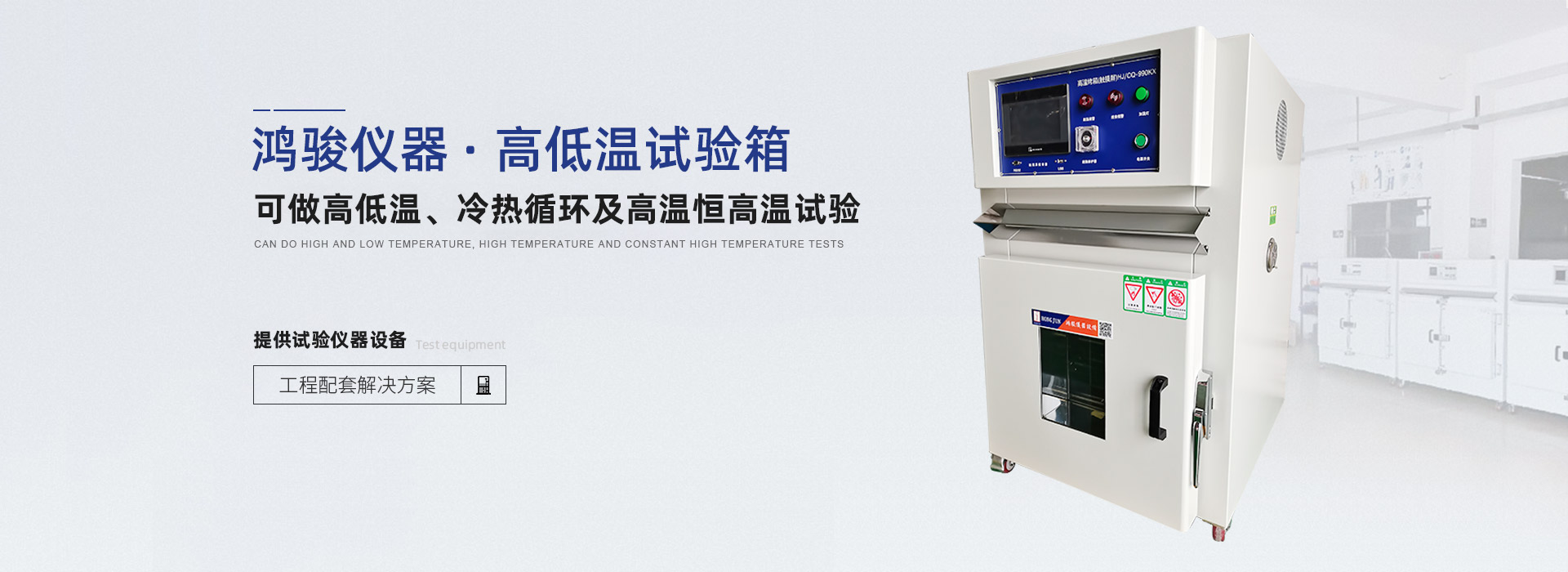
What are the differences between the thermal shock chamber and the high and low temperature chambers? Both of these devices are used for product temperature test reliability detection and certification. The main difference lies in their conversion times. The high and low temperature chambers have a slower temperature change rate, making them more suitable for temperature storage experiments and testing the products' resistance to low and high temperatures. The thermal shock chamber evaluates the sample's endurance in a rapid change between high and low temperatures, enabling a short-term test to detect any damage caused by thermal expansion and contraction.
The Cold and Hot Shock Chamber is used for: Cold and Hot Shock Test Machines, and Cold and Hot Shock Test Chambers are applied to industries such as chips, semiconductors, new energy, batteries, photovoltaic modules, LED tubes, LED lighting, electronic and electrical components, automation parts, communication components, auto accessories, metals, chemical materials, and plastics. They test the material's resistance to repeated high and low temperature tensile forces and the chemical changes or physical damage caused by thermal expansion and contraction in products, confirming product quality. From precision ICs to heavy machinery components, all require the certification of programmable cold and hot shock test chambers.
The High and Low Temperature Box is used for: The High and Low Temperature Humidity Cycle Test Chamber is a testing equipment required in fields such as aviation, automotive, home appliances, and scientific research. It is used to test and determine the performance parameters of electrical, electronic, electrical components, and other products and materials after undergoing high temperature, low temperature, and alternating humidity tests in a temperature environment.
