
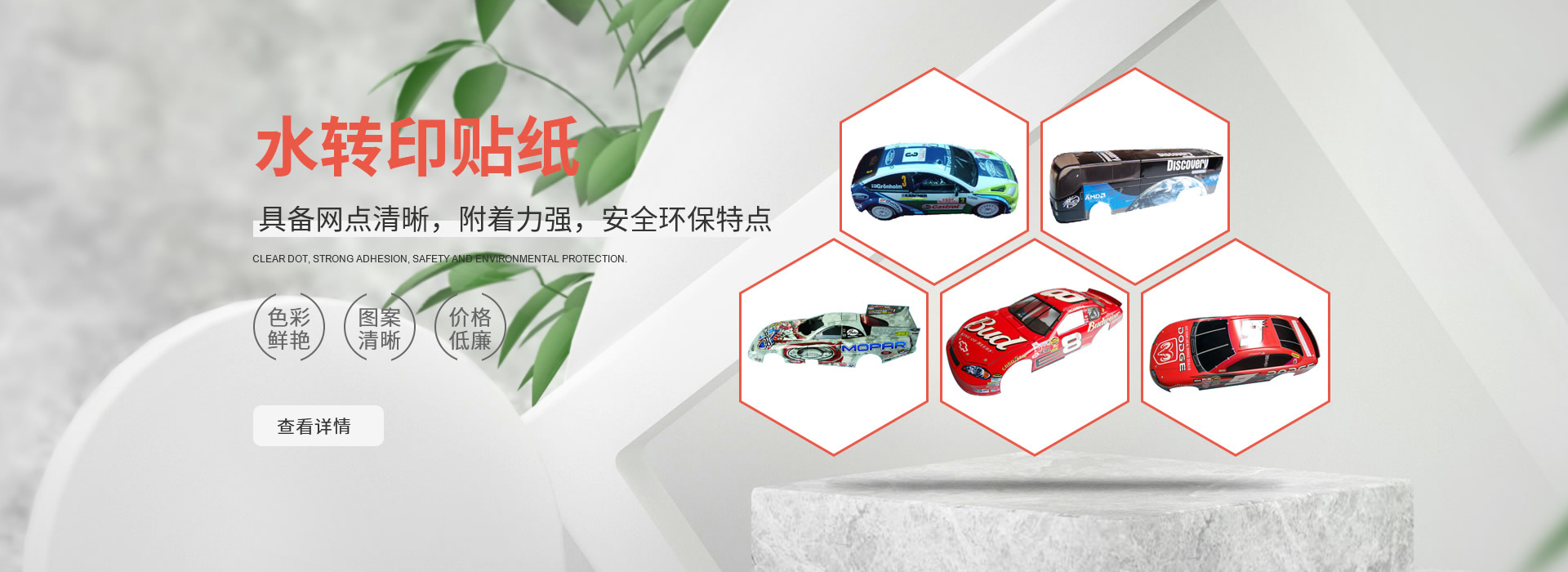


Water Transfer Printing, as the name implies, is the process of transferring the image film to the surface of the water film, with the graphic layer facing up. It maintains the water in the tank clean and essentially neutral, uniformly spraying the activated graphic surface to activate the graphic layer and facilitate the separation of the image film from the carrier.
Activators can quickly dissolve and break down PVA (polyvinyl alcohol), yet they do not damage the graphic layer, keeping it animated. Items requiring water transfer printing should gradually bring the water transfer film in contact with their outlines, and the graphic layer will be slowly transferred to the product's surface under the action of the water transfer. This is due to the inherent adhesion and cohesion between the ink layer and the base material or a special coating.
The transfer process of Transferring Ocean maintains a consistent overlay speed of the printing material with water, to prevent film wrinkling and image distortion. Currently, the process of water-based ink transfer primarily introduces new elements such as color, text, and patterns like wood grain, leather texture, and watercolor designs. This process has not yet truly broken through the boundary of cross-border fusion and collision.
Now, many processes in smart terminals are worth referencing and integrating, such as gradual processes, nanoimprint processes, IML, IMD, OMD, and hot pressing processes, which can all be cross-disciplinary. Cross-disciplinary communication will enrich your imagination and break free from fixed linear thinking.
