
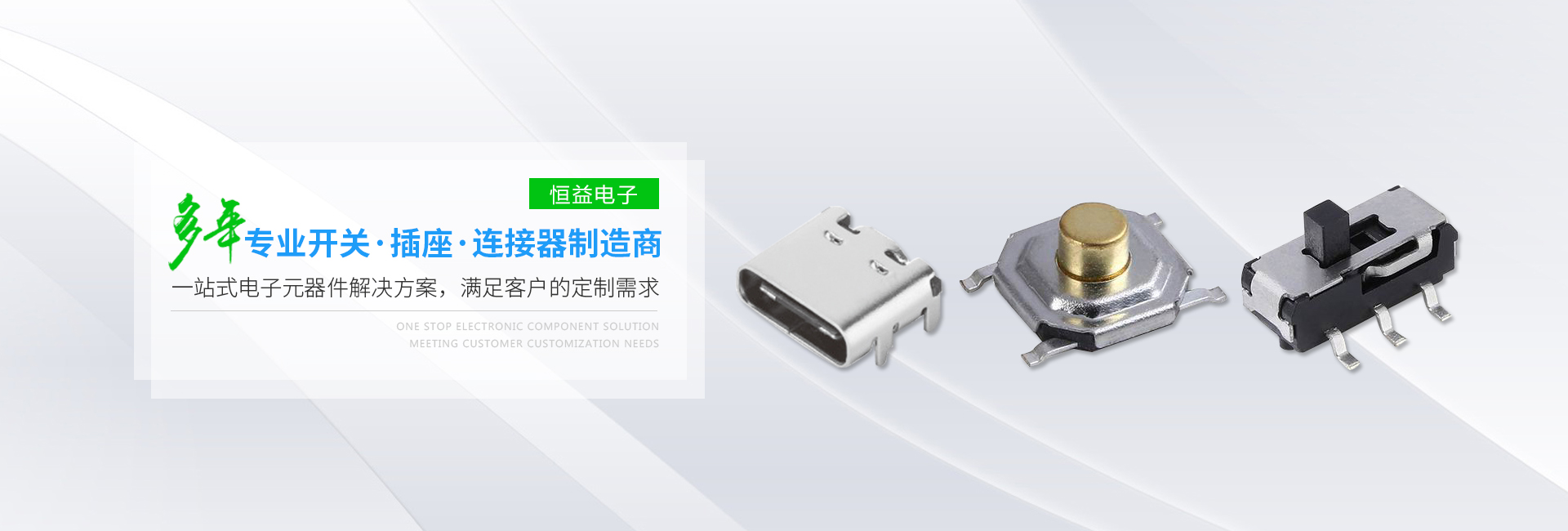
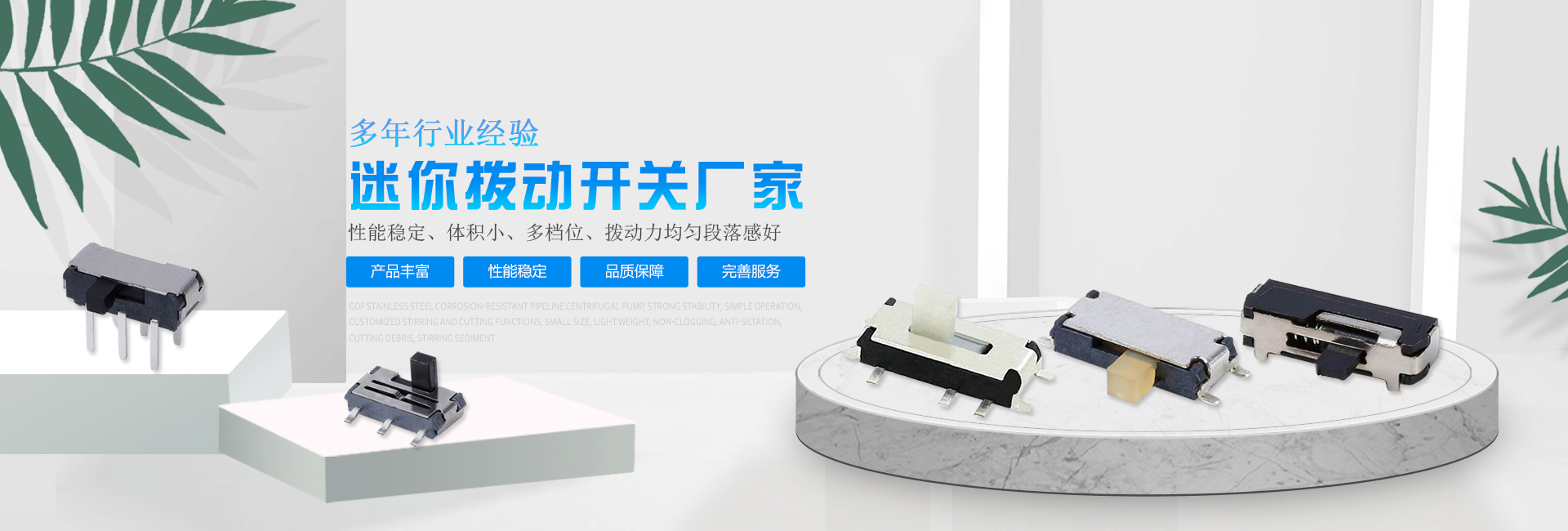

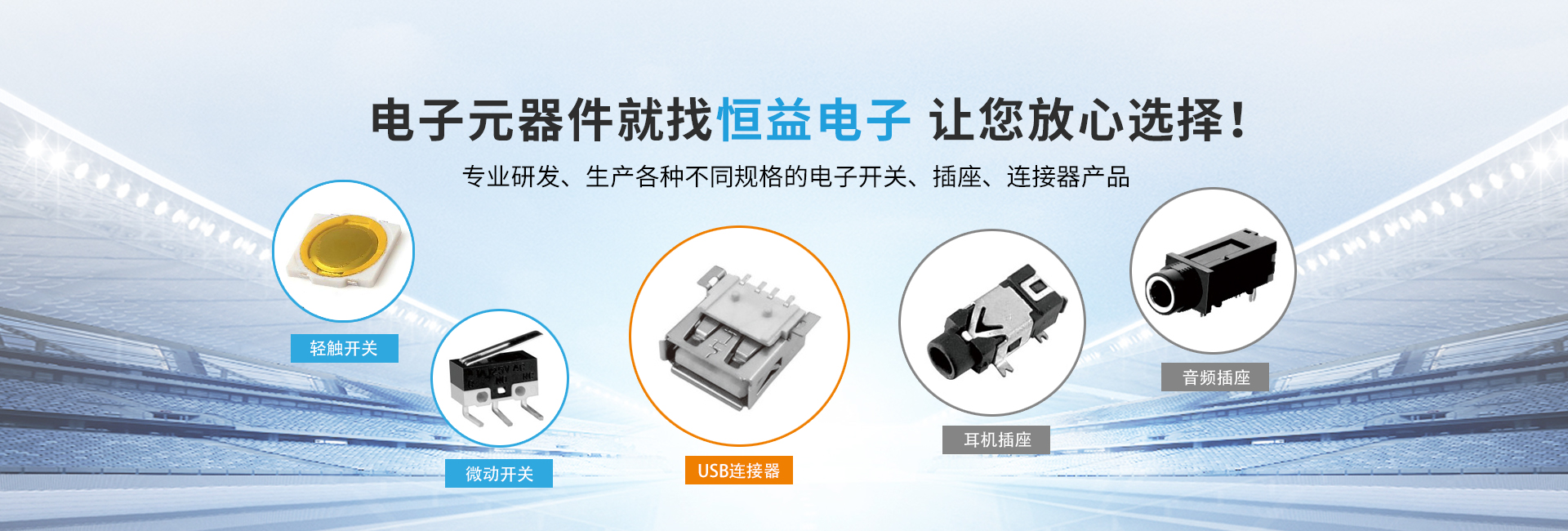

It's widely known that beneath the seemingly unassuming appearance of a touch switch lies its tremendous practical value. When using a touch switch, we not only enjoy its excellent conductivity and convenient control methods, but also the comfortable tactile feedback of the button. As for the touch switch itself, it boasts fine construction, materials, and craftsmanship. Among all these factors, what influences the overall quality of a touch switch? Let's find out together.
For a touch switch, the material and plating of the spring and contact are crucial. The material and processing of the spring and contact must not only consider their electrical properties but also their lifespan. Generally, to reduce the contact resistance between the spring and the contact, materials like brass or beryllium copper are used, and electroplating is typically silver. If iron pins are encountered, silver plating can隔绝 air-borne SO2 gases, keeping them away from corrosive elements; however, the protective time is relatively short. Using brass or beryllium copper pins would be more advantageous. Therefore, the material, the thickness of the silver plating, and the processing technique become key factors in determining the overall performance of the pins. In today's market, excellent silver plating thicknesses are above 0.3 micrometers, which can be three times thicker than inferior thicknesses. The silver plating process also varies greatly, with some pins being directly silver-plated, while others use multi-layer electroplating techniques, such as first plating with nickel or pre-copper, etc.
The conductivity of the touch switch follows. Since the touch switch relies on spring strips and contact points for conduction, the key to affecting it lies in the construction of the contact points. Generally, a larger contact surface is preferable, and the cross-shaped contact surface of the touch switch is a good choice.
