
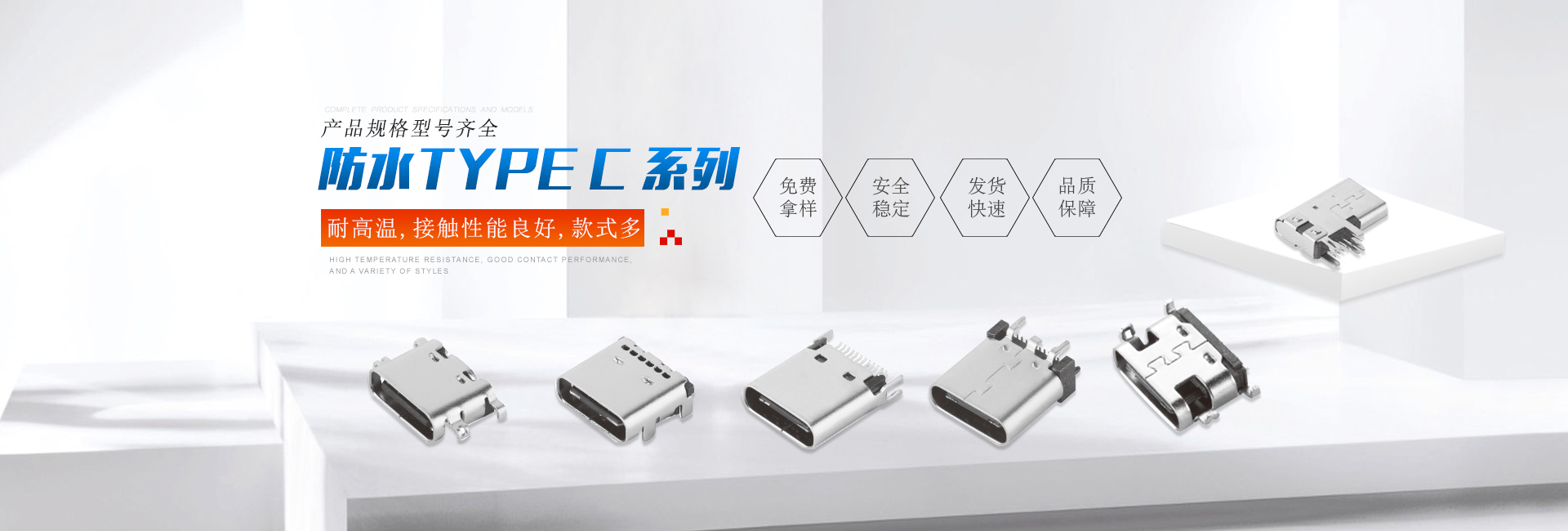


Waterproof touch switches are functional electronic switches that can be activated by simply pressing the switch button. The internal structure of these switches relies on metal spring plates to achieve the on-off function. Due to their low contact resistance, distinct crisp feel upon actuation, and a wide range of height specifications, waterproof touch switches offer diverse applications and packaging options, particularly in household appliances. How to test the waterproofness of touch switches is crucial to understanding their principle. Below, we delve into the working principle of waterproof touch switches.
The working principle of waterproof touch switches: For example, 220V AC power passes through lamp H and a full-wave bridge rectifier, converting it into pulsating DC voltage. This voltage serves as a forward bias, applied to the silicon-controlled rectifier (SCR) VS and R circuit.
When the light intensity at night is below a certain level, the photosensitive diode D presents a high resistance state ≥100KΩ, causing the transistor V to conduct in the forward direction, with the emitter voltage approximately 0.8V, triggering the thyristor VS to conduct, and illuminating the light bulb H.
When the daylight brightness exceeds a certain level, the photosensitive diode D presents a low resistance state ≤1KΩ, causing the transistor V to be cut off, with no current output from its emitter. As a result, the unidirectional silicon-controlled rectifier VS is blocked due to the absence of triggering current. At this point, the current flowing through the bulb H is ≤2.2mA, and the bulb H does not light up. Resistor R1 and the voltage regulator diode DW ensure that the bias voltage of the transistor V does not exceed 6.8V, providing protective measures for the transistor. RP is the brightness selection component for switching the on/off at dawn or dusk.
The process of waterproof capacitive switches: stamping -- injection molding -- cleaning -- assembly -- shaping -- inspection. Their color is rather monotonous. Due to the high requirements of waterproof capacitive switches for the production environment, using workshops with higher dustproof grades ensures better product quality. Additionally, the cost and price of waterproof capacitive switches are relatively low, and they generally do not undergo significant price adjustments due to market fluctuations in raw materials.
A type of switch that is extremely similar to waterproof capacitive switches is called a membrane switch. The difference between the two is that a membrane switch is a self-contained circuit button. Typically, the upper layer consists of a panel made from materials like PET or PC, featuring text or patterns. The lower layer is a conductive circuit, and the middle layer is a double-sided adhesive made from PET material, functioning as a simulated switch for isolation. The lower part usually contains the contact points and connecting circuits on the PET material. Membrane switches are convenient and versatile, allowing for customization in different colors, sizes, and appearances to meet various needs.
