

Metal surface treatment agents refer to a general term for chemical agents used for various treatments on metal surfaces. They mainly include cleaners and rust inhibitors.
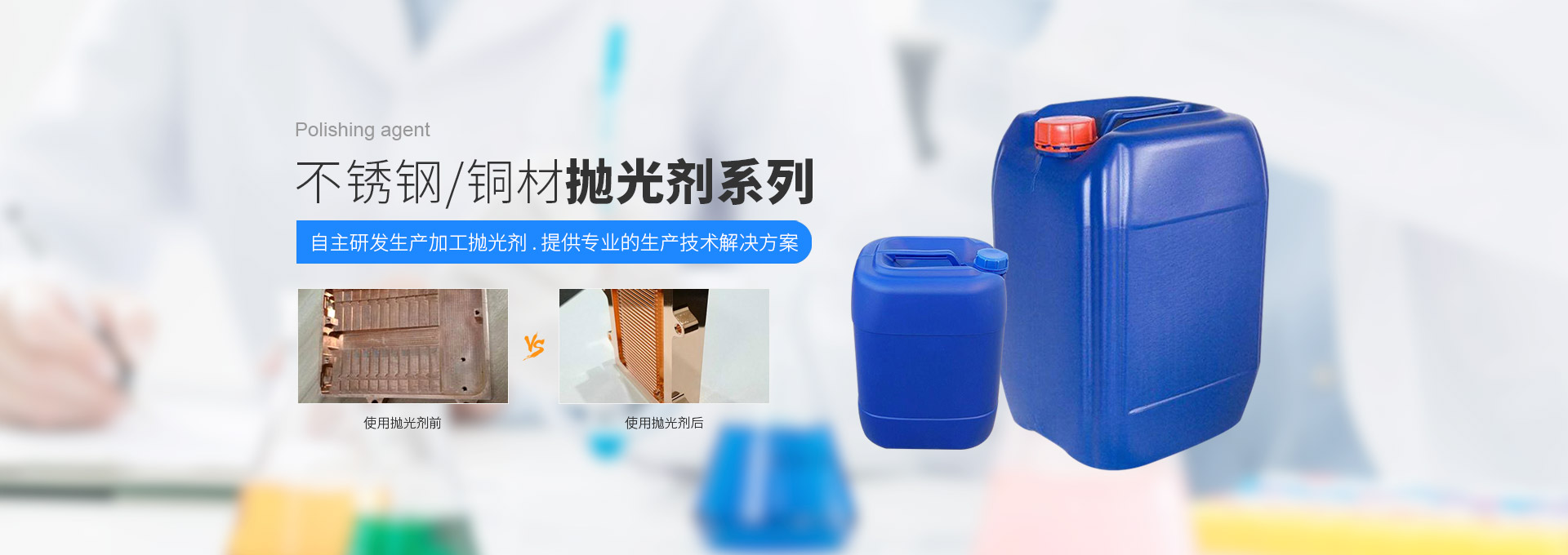
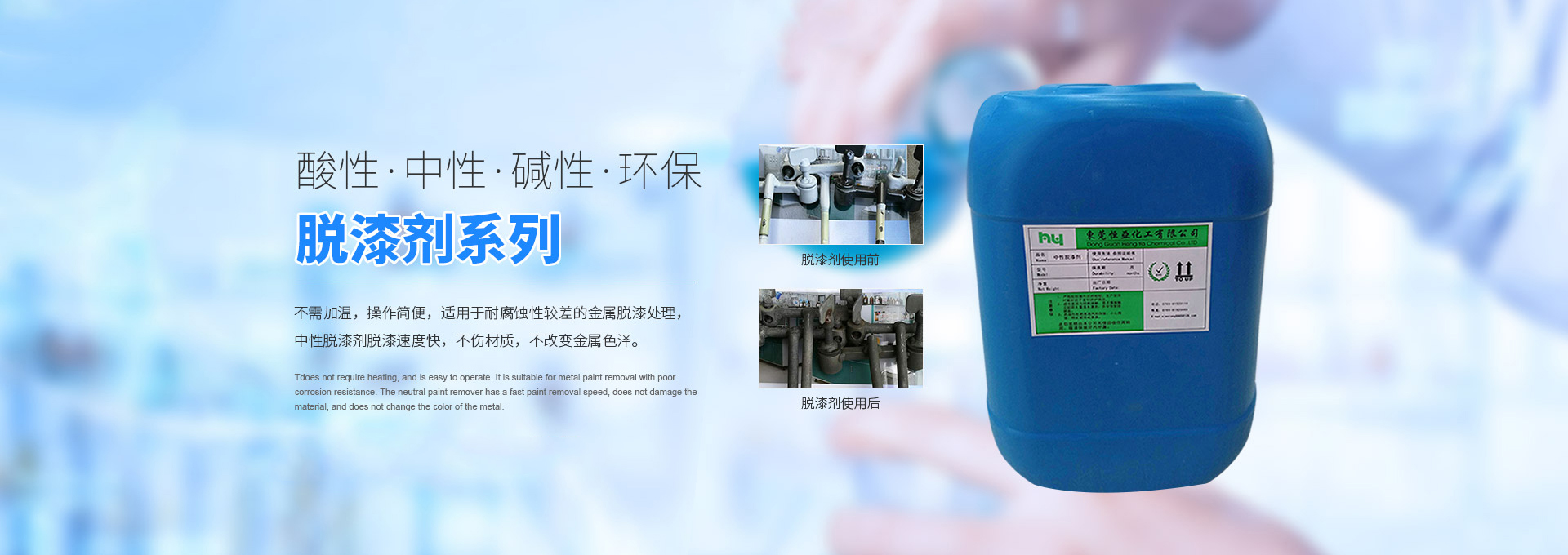
One, Cleaner, as the name implies, refers to a general term for cleaning agents used to remove oil, wax, rust, adhesive, paint, powder, carbon deposits, fingerprints, sweat stains, cutting fluids, and other substances from metal surfaces. Common metal materials include copper (pure copper, bronze, white copper, brass, etc.), iron (stainless steel, tinplate), steel (carbon steel, alloy steel), galvanized steel plate, aluminum (pure aluminum, aluminum alloy), and alloys.
Metal surface cleaners used for degreasing metal surfaces are also known as metal degreasers, metal defoamers, oil stain cleaners, etc.; those used for removing wax from metal surfaces are called metal dewaxing agents, wax cleaning agents, etc.; cleaners for rust removal on metal surfaces are known as rust removers; those for removing paint from metal surfaces are called paint strippers; and cleaners for carbon accumulation on metal surfaces are known as carbon cleaning agents, among others.
By pH classification:
Acidic metal surface cleaner refers to a substance with a pH value below 7; generally, rust removers and paint strippers are acidic.
2. Neutral metal surface cleaner refers to a pH value of approximately 7; like neutral cleaners, most solvent-based metal surface cleaners are also neutral.
3. Alkaline metal surface cleaner refers to a pH value greater than 7; most aqueous metal surface cleaners are alkaline.
Process Operation:
1. Manual wiping and brushing 2. Immersion and heated cleaning 3. Mechanical stirring cleaning 4. Ultrasonic cleaning 5. Spray rinse cleaning 6. Electrolytic cleaning 7. Steam cleaning
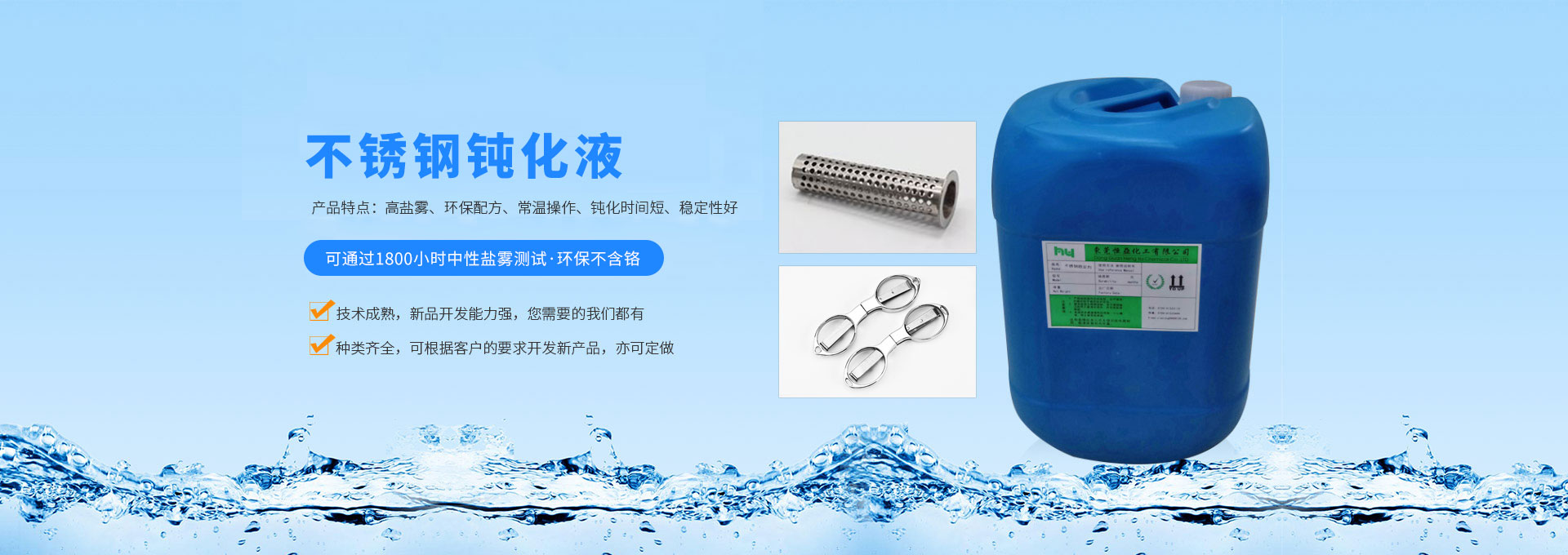
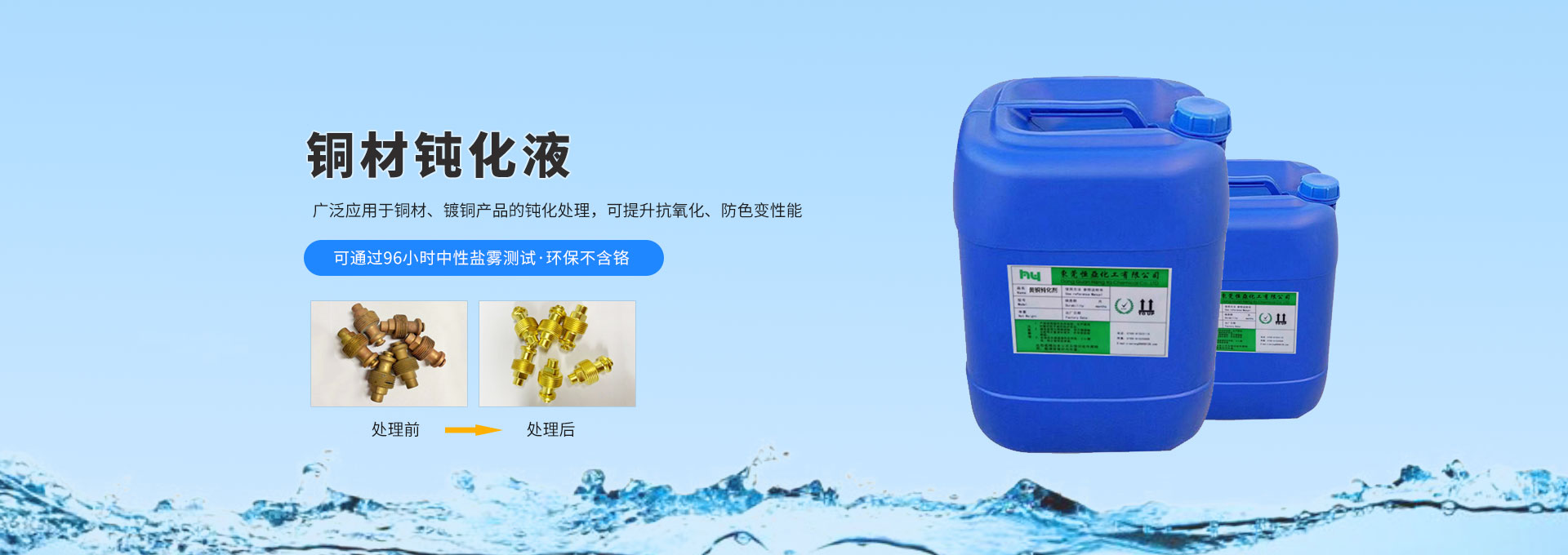
Corrosion Inhibitor, a highly effective synthetic penetrant, is designed to deeply penetrate into rust, corrosive substances, and oil stains, allowing for easy removal. It boasts properties such as penetrating rust removal, loosening lubrication, corrosion resistance, and metal protection. The corrosion inhibitor can be categorized into inter-process and post-process types. The former is simply referred to as a corrosion inhibitor, while the latter is known as a corrosion-sealing agent (also known as a sealing agent).
The rust prevention process typically divides into intermediate process rust prevention and product storage rust prevention. Intermediate process rust prevention ensures that parts remain rust-free during subsequent processing and that the surface rust preventive oil film is easily washable; storage rust prevention directly affects the product's appearance and storage duration.
