

Copper materials primarily include red copper (also known as pure copper), beryllium copper, brass, and bronze. Red copper is widely used in the electrical and electronic industries due to its excellent electrical and thermal conductivity, for manufacturing various cables, wires, transformers, and printed circuit boards. Beryllium copper, a copper alloy primarily containing nickel, is highly corrosion-resistant and easy to shape, machine, and weld, making it extensively employed in shipbuilding, oil and gas, chemical industry, construction, power, precision instruments, and musical instrument manufacturing for corrosion-resistant structural components. Brass, an alloy of copper and zinc, is commonly used in the production of valves, pipes, HVAC internal and external unit connections, and radiators. Bronze originally referred to copper-tin alloys, but now all copper alloys excluding brass and beryllium copper are also called bronze. Tin bronze boasts good casting, friction-reducing, and mechanical properties, making it suitable for manufacturing bearings, worm gears, and gears. It is a widely used bearing material in modern engines and grinding machines.
However, regardless of the copper material, it will oxidize and corrode in the air or a humid environment. Therefore, it is necessary to apply surface treatment to the copper material to maintain its shiny surface and prevent corrosion.
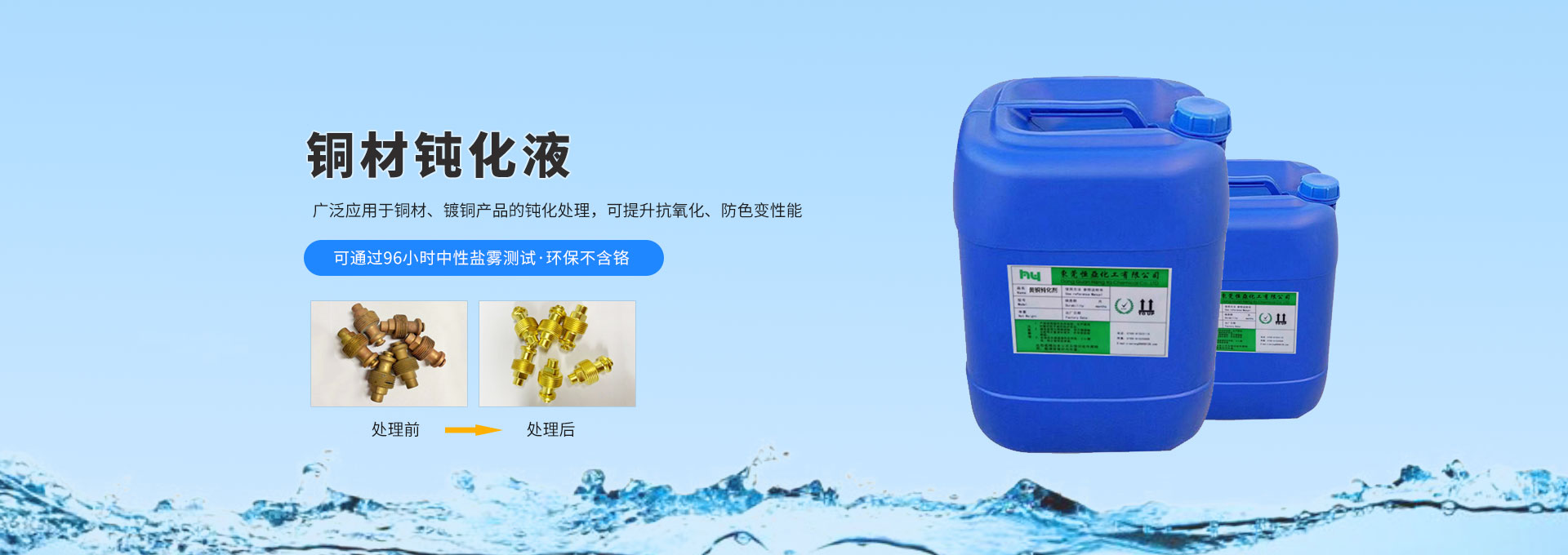
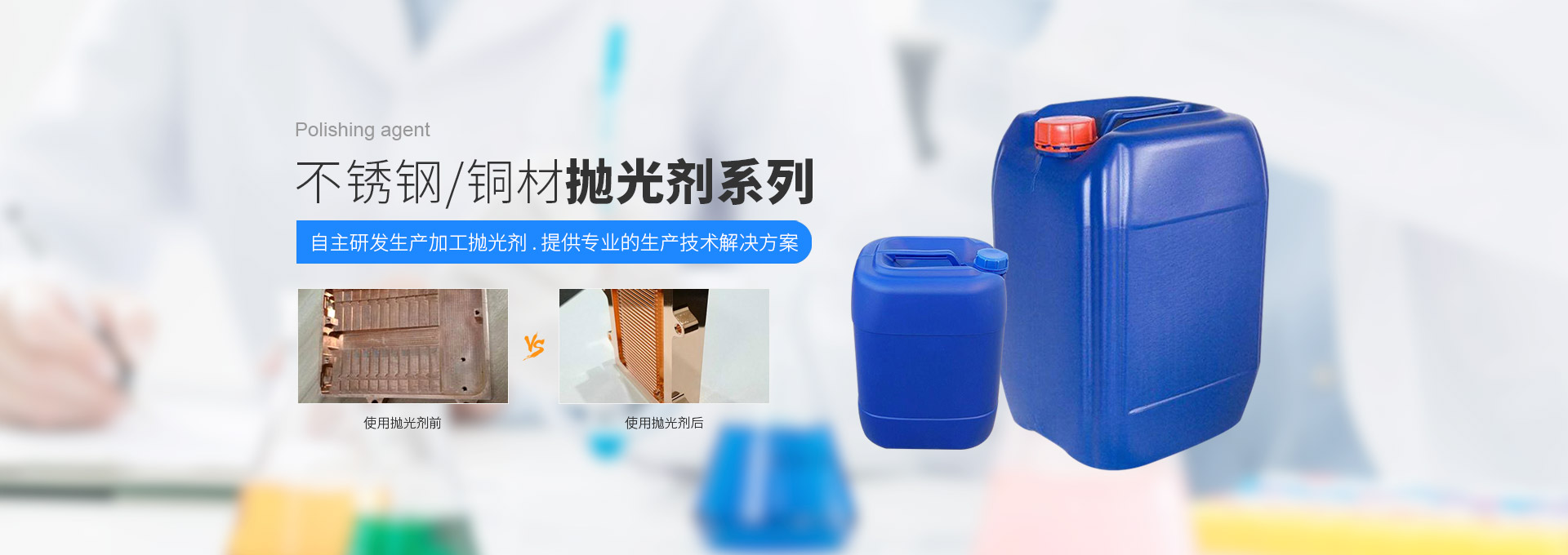
The prevalent techniques for surface treatment of copper materials in China are polishing and passivation. After treatment with copper passivation solution, a strong, uniform passivation film forms on the copper surface promptly, effectively protecting the copper matrix and extending its corrosion resistance or antioxidant capabilities. This can at least enhance the corrosion resistance by over ten times, improve the salt spray test duration, and prolong the service life of the workpieces.
