
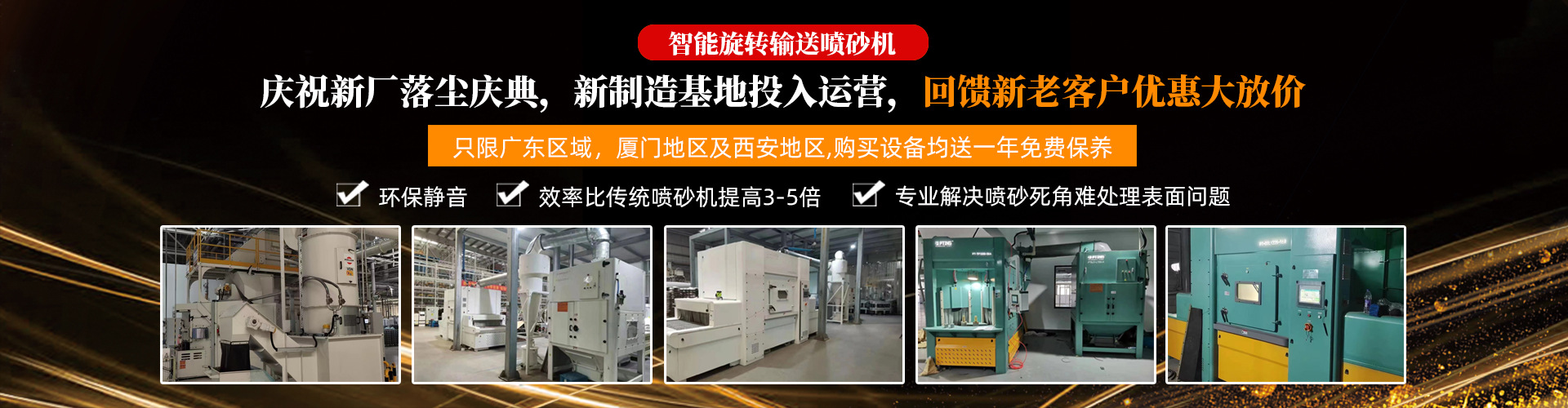

An abrasive blasting machine is an air conveying equipment that uses compressed air to transport powdered granular materials from one place to another. It primarily cleans the surface of objects by propelling sand particles at high speeds through pipes, thereby improving the surface quality. Depending on different application scenarios, abrasive blasting machines can be categorized into various types, such as suction, pressure, and liquid.
When using an abrasive blasting machine, insufficient pressure may affect the following aspects:
The sandblasting effect: The pressure of the sandblasting machine directly affects its sandblasting effect. Insufficient pressure will reduce the speed of the sand particles being ejected, weaken the impact force, resulting in poor sandblasting effect.
2. Sand particle utilization rate: During the sandblasting process, if the pressure is insufficient, the flow speed of the sand particles will slow down, which may lead to accumulation of sand particles inside the sandblasting machine, even causing clogs in the nozzle. This not only affects the sandblasting effect but also reduces the utilization rate of the sand particles.
3. Machine Lifespan: During operation, if a sandblasting machine encounters insufficient pressure, it may lead to wear and damage of the machine components, thereby shortening the machine's lifespan.
4. Safety Risk: Insufficient pressure in the sandblasting machine can lead to uneven suspension of sand particles within the pipeline, easily causing eddies and blockages, thereby increasing safety risks.
Therefore, when using an abrasive blasting machine, it is essential to check the pressure is normal, adjust or repair it promptly, to ensure the machine operates smoothly and is used safely.
