
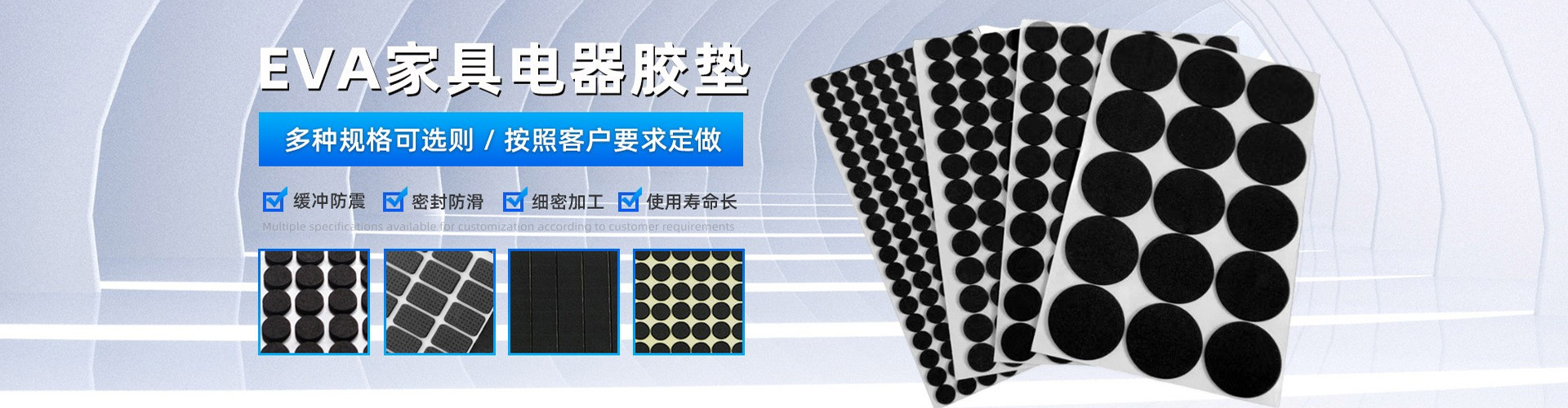
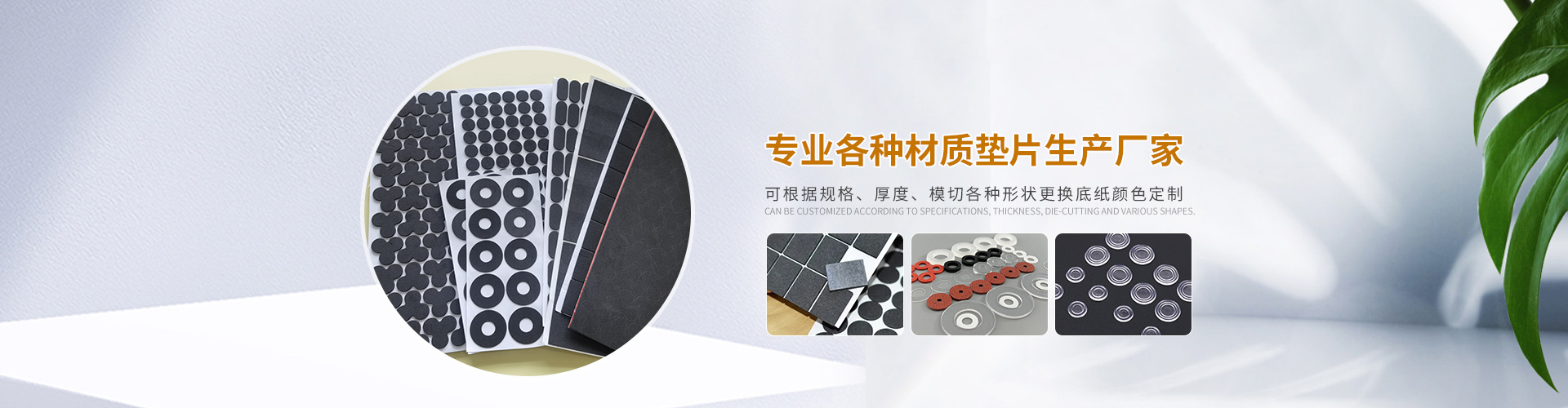


In the concept of rubber, silicone is included, meaning silicone is a type of rubber. In most cases, silicone and rubber materials are interchangeable, but as the physical environment and requirements change, the two materials exhibit distinct differences, which require certain processes to manifest. Silicone is a highly active adsorption material, belonging to amorphous substances with the chemical formula mSiO₂·nH₂O. It is insoluble in water and any solvent, odorless and tasteless, chemically stable, and does not react with any substance except strong alkalis. Different types of silicone pads form different micro-porous structures due to their varying manufacturing methods.
Rubber Gaskets: These are materials used for sealing purposes, effectively applied in places like sluices and oil pipelines. By using this product, we can easily prevent various leakage situations. Different types of silicone rubber gaskets are available for various applications.
Silicone Gaskets: These products can be manufactured using die-cutting or waterjet cutting techniques. They come in a standardized hardness range, from 10 to 70 hardness levels. Lower hardness gaskets (10A, 20A, 30A) may have less clamping force, but they still offer excellent environmental sealing capabilities. As the hardness index increases, the clamping force of the solid gaskets also gradually improves.
