
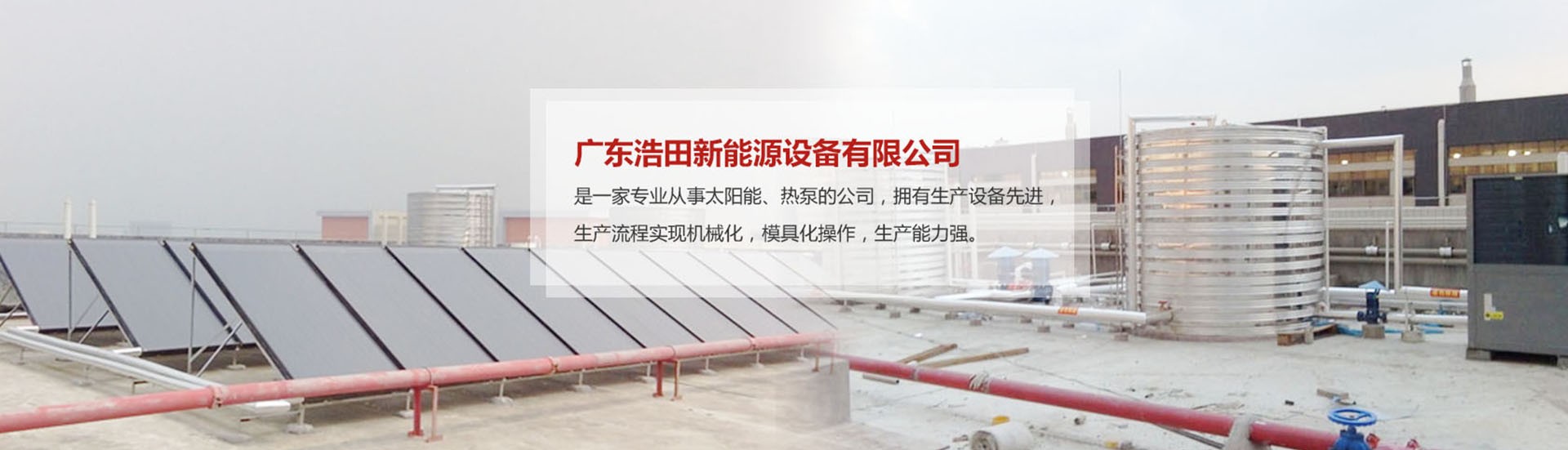


As winter sets in, many people notice a significant decrease in the ability of solar water heaters to supply hot water. Many users attribute this to the lower sun temperature and shorter daylight hours during winter. However, factors affecting the heat output of solar water heaters are not only due to changes in sunlight but also directly related to the quality of the heater itself. Below, let's explore the main factors influencing the heat output of solar water heaters.
1. Collector area and collector performance
Generally, the larger the collector area of a solar water heater, the greater the heat it can collect; and the higher the vacuum degree of the solar water heater's vacuum tubes, the stronger the heat collection performance.
2. Affected by light intensity
Solar water heaters convert solar light energy into heat. The intensity of sunlight and the duration of daylight directly affect the heat gain of solar water heaters. This leads to the phenomenon where the water temperature from solar water heaters easily reaches boiling point in summer, but heats slowly and even fails to heat in winter.
Insulation capability of the water tank
The insulating capacity of solar water heaters is primarily determined by the thickness and material of the insulation layer.
4. Water Heater Installation Angle
The geographical differences between the north and south of our country, along with the varying angles and intensities of solar radiation, necessitate that the installation of solar water heaters must comply with the golden tilt angle specific to the local conditions. According to the latitude of mainland China, the design angle ranges from 33° to 55°.
