
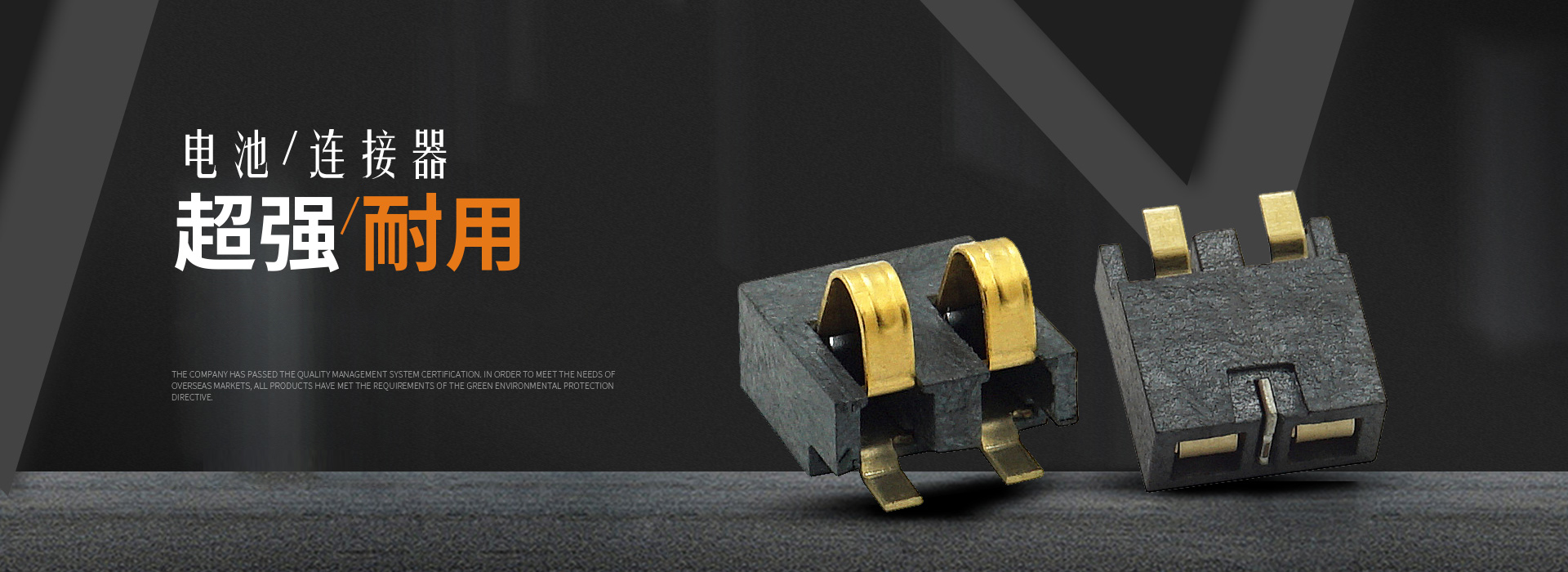



The Micro-Motion Detection Switch is a specialized switch primarily used for detecting minute movements or positional changes. It boasts high sensitivity, rapid response, and reliability, making it widely applied in various automated control systems, robots, electronic devices, and more.
There are various sensing methods for micro-motion detection switches, among which the inductive micro-motion detection switch is a commonly used type. It detects minute position changes through the principle of inductance, characterized by high sensitivity, rapid response, and high reliability.
The working principle of an inductive micro-motion detection switch is based on the phenomenon that when one coil approaches another, current flows through the coil, generating a magnetic field that induces an electromotive force in the second coil. The variation of this induced electromotive force can be measured and detected, thereby enabling the detection of minute positional changes in objects.
In addition to inductive micro-motion detection switches, there are other types of micro-motion detection switches, such as capacitive, photoelectric, and mechanical ones. Each type of switch has its specific advantages and application range.
Capacitive micro-motion detection switches detect minute position changes of objects by measuring changes in capacitance values; photoelectric micro-motion detection switches use photoelectric sensors to detect object movement; and mechanical micro-motion detection switches detect an object's position and motion state through changes in mechanical structures.
There are various induction methods for micro-motion detection switches, which can be selected and used according to different application scenarios and requirements.
Overall, the micro-motion detection switches feature high sensitivity, high resolution, and high reliability, making them indispensable important sensor components in fields such as automation control and robotics technology.
