




- AllProduct Category
-
Fully Automatic Wash-Dryer Series
Industrial Washing Machines Series
Drying Machine Series
Ironing Machine Series
Folding Machine Series
Centrifugal Dewatering Machine Series
Dry Cleaning Machines Series
Post-treatment Equipment
Integrated Laundry System



详情描述

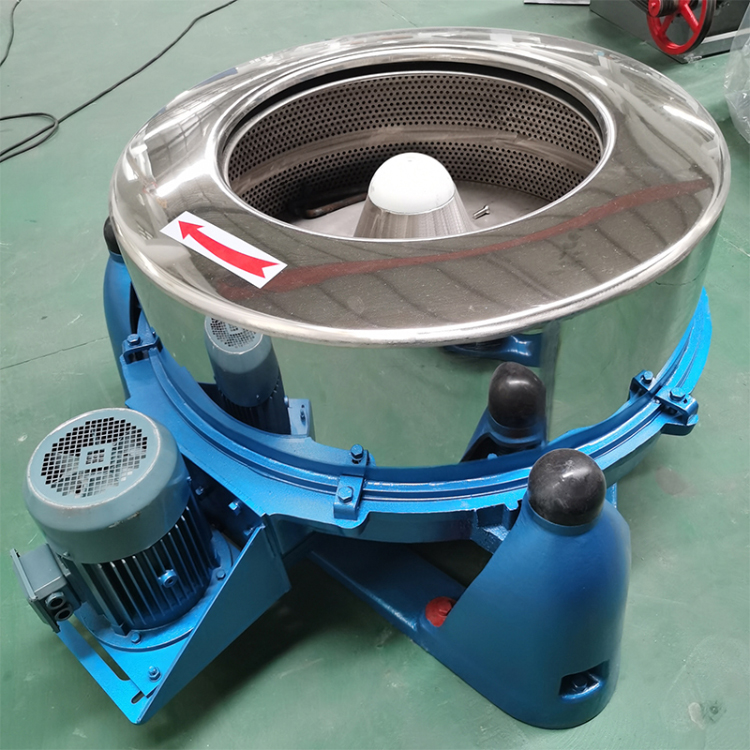
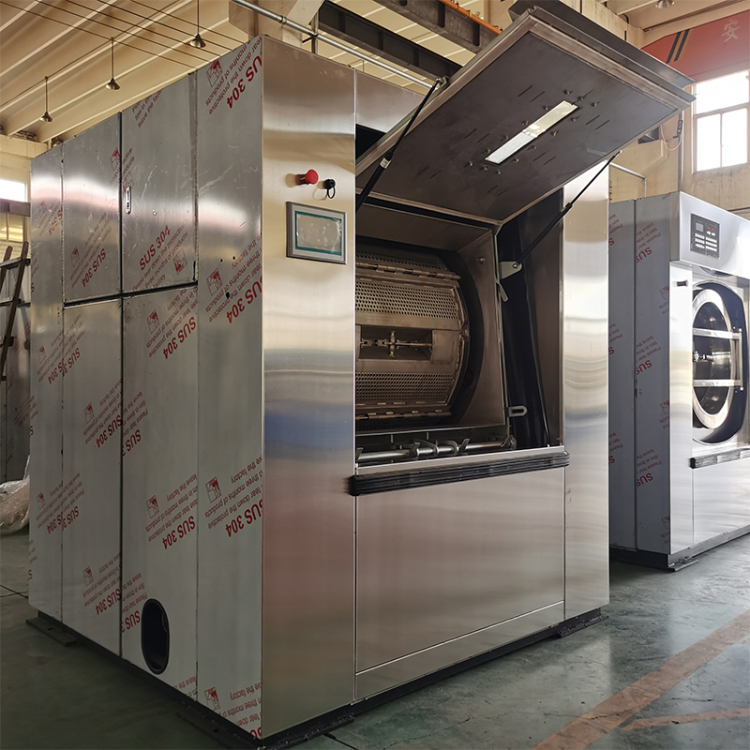
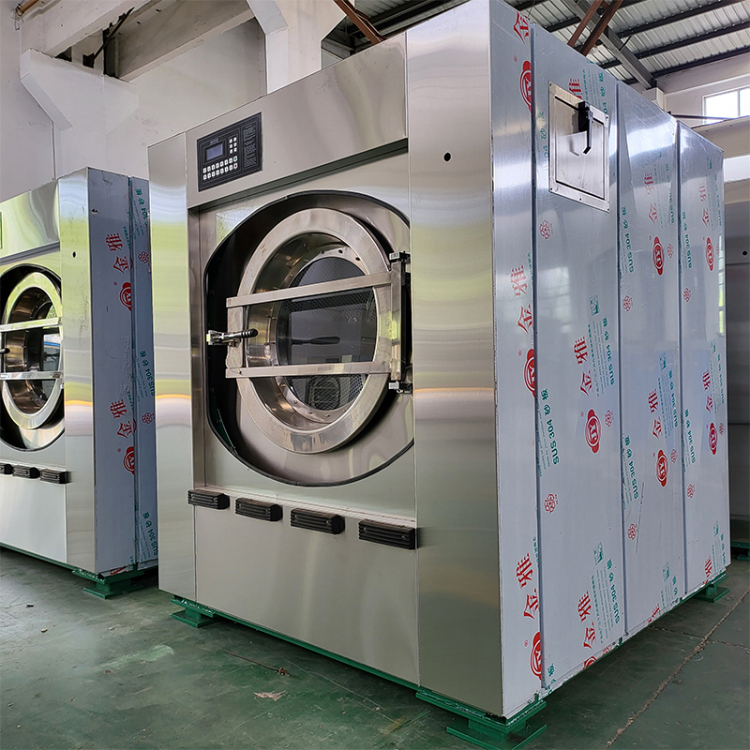
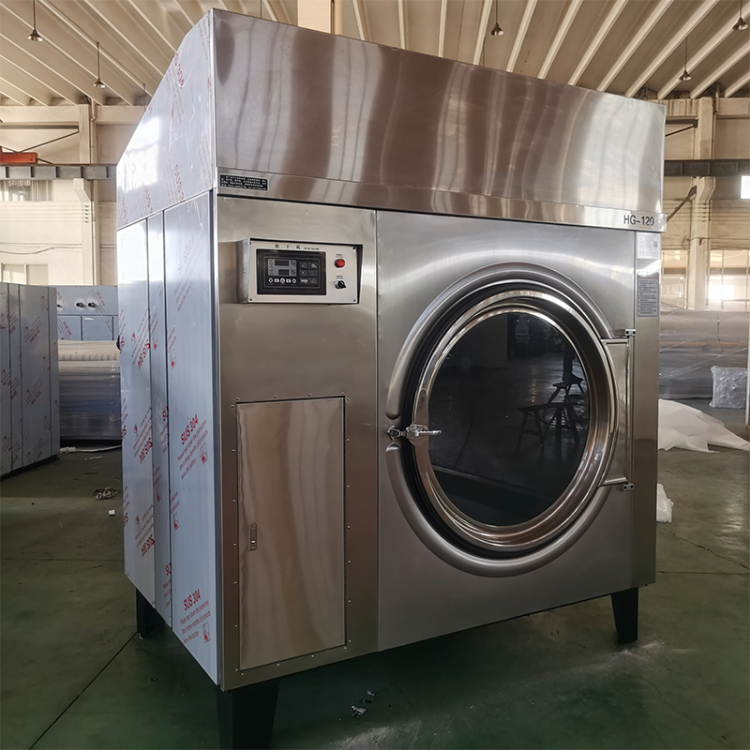
Jiangsu Jiewa Machinery Manufacturing Co., Ltd. Centrifuge: Available in sizes ranging from Φ500mm to Φ1500mm diameter. The machine features a three-leg pendulum structure, comprising a triangular base plate, cast feet, circular base plate, drum, shell, motor, etc. Both the drum and shell are made of stainless steel. It is driven by a triangular belt, with the motor directly powering the starting wheel for a smooth and gradual start-up to the designed speed, ensuring stable operation. The machine is equipped with a braking system, offering excellent braking performance and enabling quick stopping of the machine.
The TL series dehydrator is made of high-quality stainless steel, offering excellent performance, stable operation, high dehydration rate, and is equipped with a comprehensive vibration-proof, timing, automatic, and safety control system.
I. Key Features of the Dehydrator:
Three-leg pendulum structure to avoid vibration caused by uneven load distribution
The ball valve is meticulously crafted from high-quality stainless steel plate, ensuring durability and strength.
Brake arm assembly with excellent braking performance and safety reliability.
Three tape conveyance system, powered by the motor to drive the starting wheel, gently starts up to normal speed with smooth operation and no vibration.
The TL series dehydrator is made of high-quality stainless steel, featuring excellent performance, stable operation, high dehydration rate, large capacity, and low energy consumption. It is equipped with a comprehensive vibration-proof, timing, automatic, and safety control system.
II. Dehydrator Working Principle:
The main component of the dryer is the drum, which is surrounded by small holes. The clothes to be dried are placed inside the drum. The motor drives the drum to rotate at high speed via a belt. This generates a strong centrifugal force, causing the moisture to be ejected through the small holes in the drum and collected before being discharged. Generally, the drying effect of the dryer in two minutes is comparable to that of a dryer in twenty minutes for damp clothes. However, the dryer cannot completely dry the clothes. Therefore, a time and energy-saving approach is to first dehydrate damp clothes, and then dry them after dehydration.
Section 3: Dehydrator Applications:
The dehydrator features a simple and reasonable structure, high efficiency, low wear, low noise, and safety and reliability. It is mainly used for the post-washing centrifugal drying of various textiles, garments, chemical raw materials, and latex products. It is widely applicable in enterprises and institutions across various industries such as textiles, dyeing and printing, garments, hotels, chemicals, and latex products.
Section 4: Structural Features of the Dehydrator
1. All dehydrators are designed with a three-leg suspended structure to prevent ground vibration during operation due to uneven weight distribution within the drum.
2. The housing and drum are made of stainless steel plates, the base and bottom plate are cast iron, and the drain pipe is located beneath the bottom plate.
3. The main shaft is precision-machined from heat-treated steel.
4. The transmission section utilizes V-belt drive, powered directly by the motor to drive the centrifugal starting wheel. This allows the machine to start slowly and gradually reach the designed speed, ensuring smooth operation.
5. The machine features a braking arm with excellent braking performance, enabling the machine to stop quickly.
V. Operation Instructions for the Dehydrator:
1. Place the material to be dehydrated evenly and flatly into the drum. Pay attention to balance, evenness, and no overloading.
2. The motor starts up in approximately 90 seconds. The machine reaches normal operation, and the water outlet begins to discharge water in large quantities.
3. The machine runs for approximately 8-10 minutes. Once the water outlet is nearly dry, switch off the power. After 1-2 minutes, gradually apply the brake to the opening and closing arm in several steps, until the machine stops rotating.
Section 6: Dewatering Machine Precautions:
The operator must be familiar with the machine's structure, performance, and operation methods.
2. Prior to driving, rotate the drum several times to inspect its operation.
3. The additives should be evenly distributed to prevent excessive weight on one side from causing excessive vibration of the machine.
4. Do not brake the opening and closing arm while in normal operation to prevent damage to the lanyard and other parts.
5. Do not place any items on the roof cover to prevent any unexpected accidents after driving.
6. Upon discovery of any abnormal phenomenon during operation, immediately disconnect the power source and apply the brakes to stop the machine for inspection.
7. Machines must be regularly inspected and lubricated; an inspection should be conducted at least once every six months.
Section 7: Dehydrator Installation
The machine must be installed on a firm foundation and securely fastened with three anchor bolts.
2. The foundation must be leveled using a level.


