

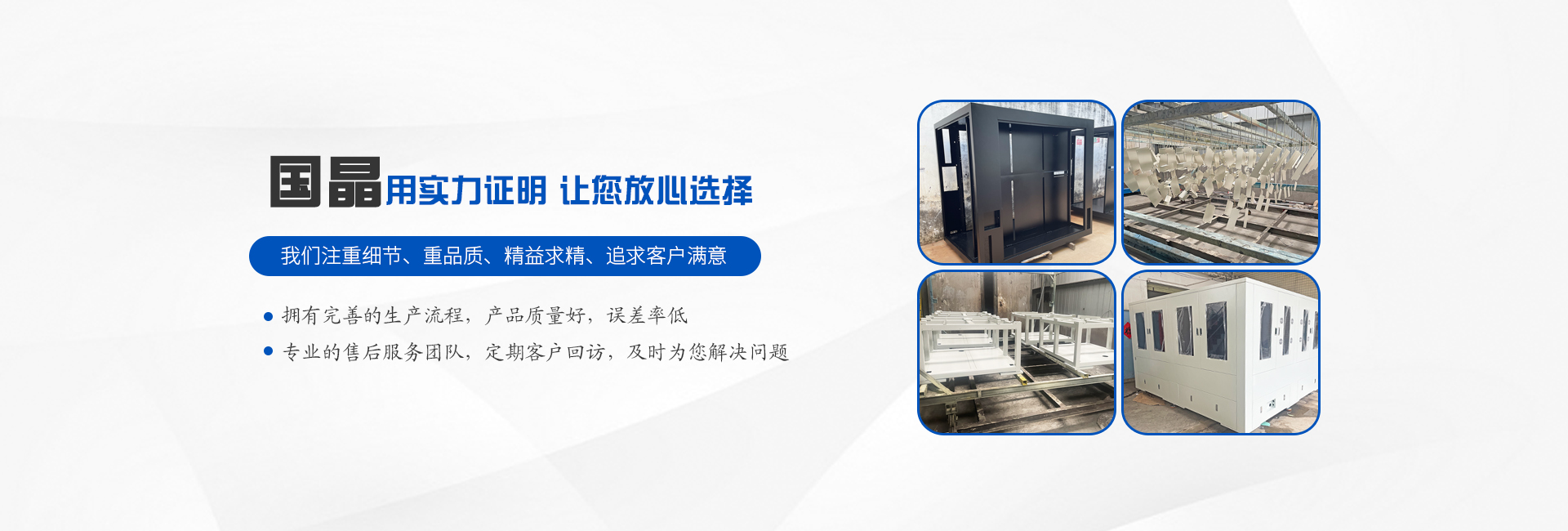

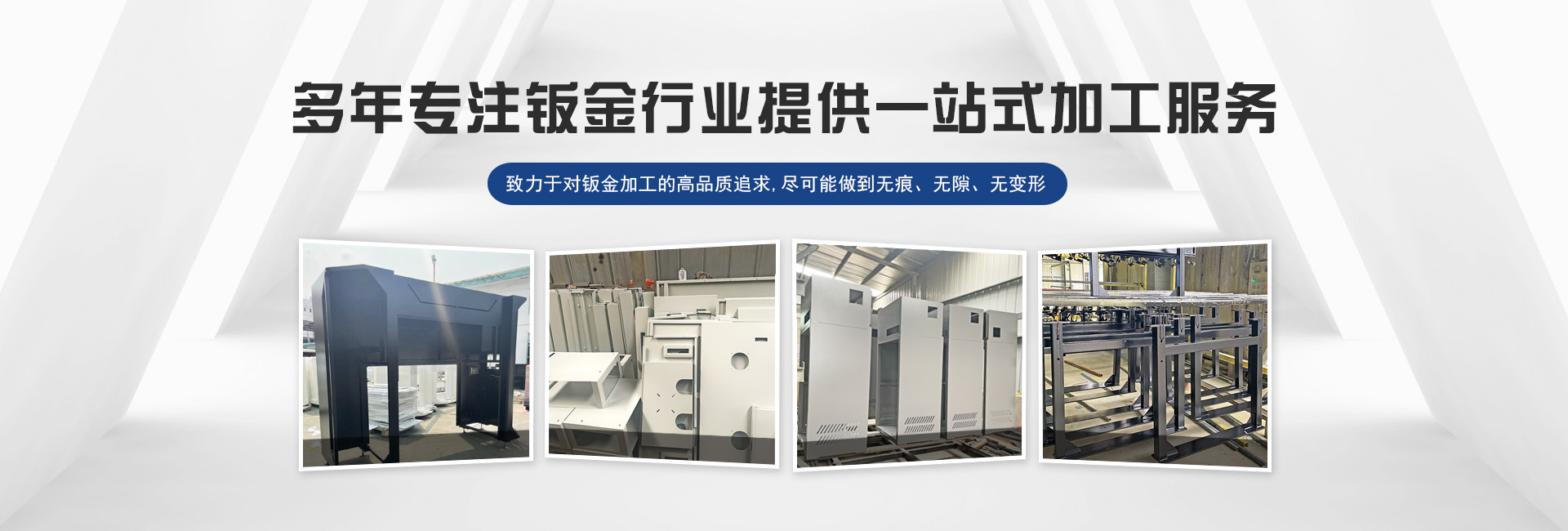

Sheet metal processing involves various manufacturing techniques such as punching, bending, forming, and welding on thin steel plates to create finished products with specific dimensions and shapes. Quality control during the sheet metal processing is crucial in ensuring that the products meet the required usage standards.
Quality Standards for Sheet Metal Fabrication:
Surface Quality
The sheet metal surface should be smooth, free of scratches, cracks, rust, burrs, and other defects. In certain industrial products, surface luster is also required.
2. Dimensional Accuracy
Dimensional accuracy refers to the degree of deviation between the geometric dimensions of a part and its design dimensions. In the production process of sheet metal products, there needs to be a certain level of dimensional accuracy to ensure satisfactory performance.
Material Quality
The source, material, and chemical composition of sheet metal directly affect the quality of the finished product. Therefore, selecting high-quality materials is crucial.
4. Corrosion Resistance
If the sheet metal parts are to be used in a humid environment, the requirement for corrosion resistance is correspondingly heightened, ensuring the parts remain uncorroded and wear-resistant during use.
5. Strength and hardness
In normal operation, the product must possess adequate strength and hardness to meet the requirements of various complex usage environments and prevent excessive deformation and other issues.
6. Assembly Performance
Most sheet metal processing parts require assembly with other components during use, thus assembly performance is a crucial quality requirement in the manufacturing process.
