
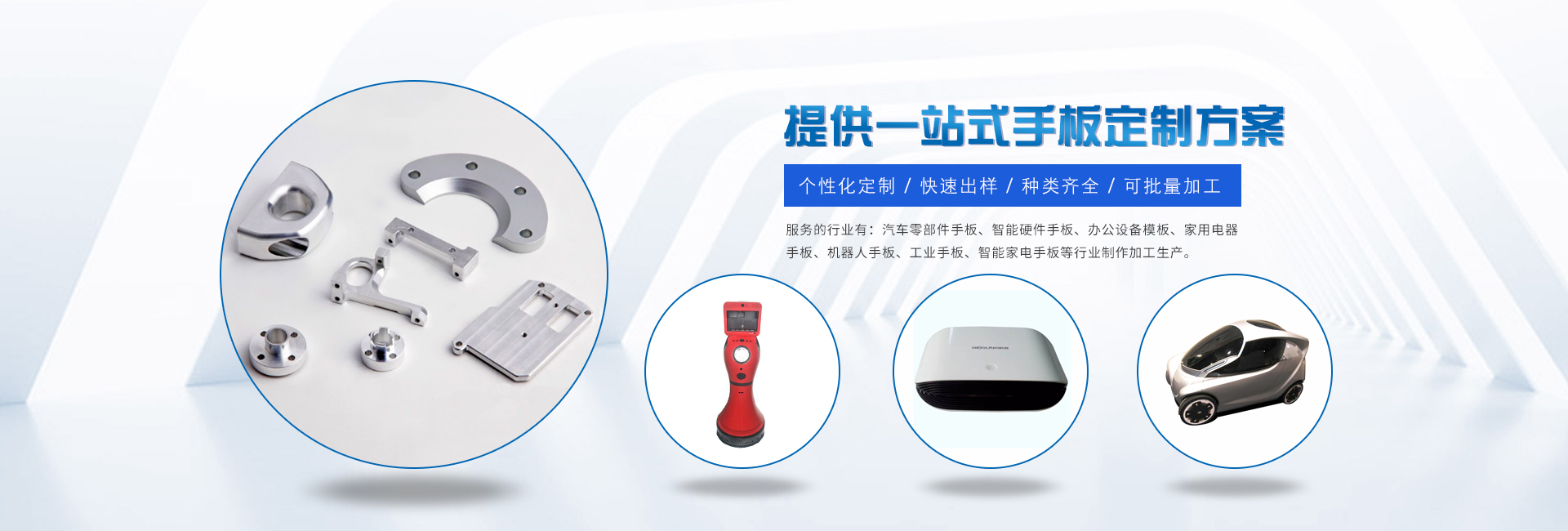

Prototypes used for validating new product development require certain surface finishing processes to enhance their overall aesthetic appeal and attract attention. Oxidation treatment is not necessary for all types of prototypes, but it is primarily used for metal prototypes, particularly aluminum alloy prototypes, which are prone to oxidation.
Oxidation treatment involves soaking aluminum alloy hand models in a chemical solution, allowing the solution to corrode the interior of the aluminum alloy, thereby initiating an oxidation reaction and altering the model's color. The resulting color has a metallic sheen, giving it a striking appearance. After oxidation, the produced alumina is a relatively stable substance, forming an oxide film on the surface. It does not react with air, ensuring the surface color remains durable over time.
Aluminum alloy handboard oxidation treatment primarily prevents corrosion of the handboard surface, while also enhancing its aesthetic appeal. This results in handboard models with higher protective and stability characteristics, as well as strong visual appeal. The specific approach is determined based on the product requirements.
