
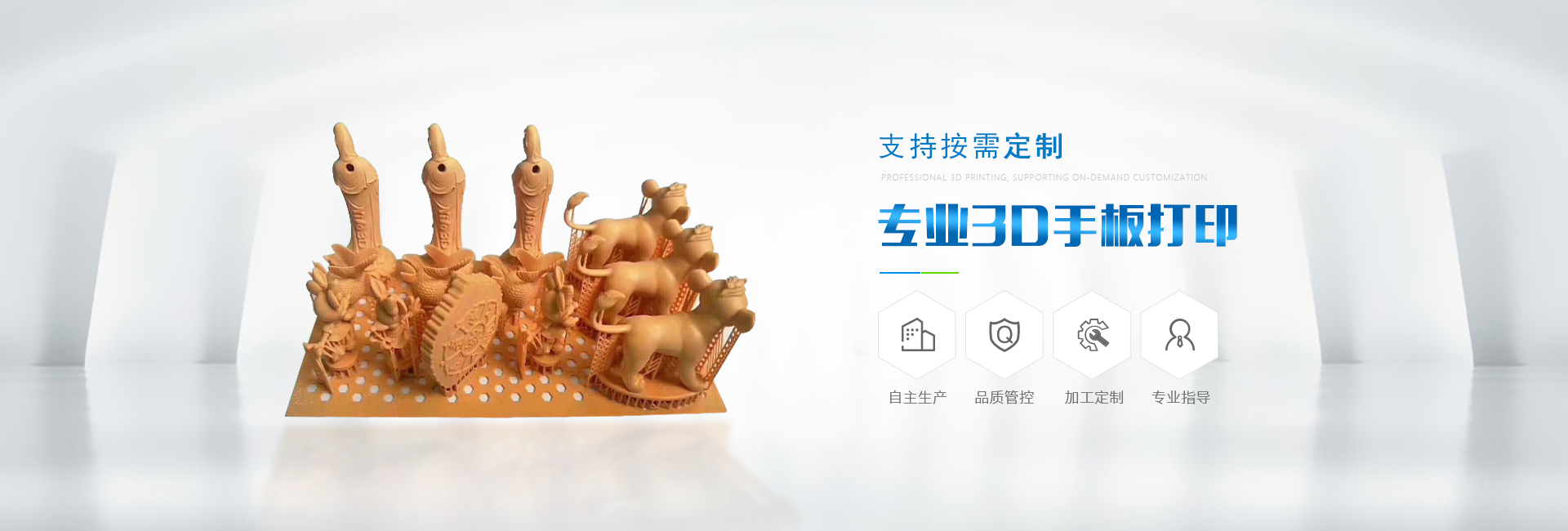

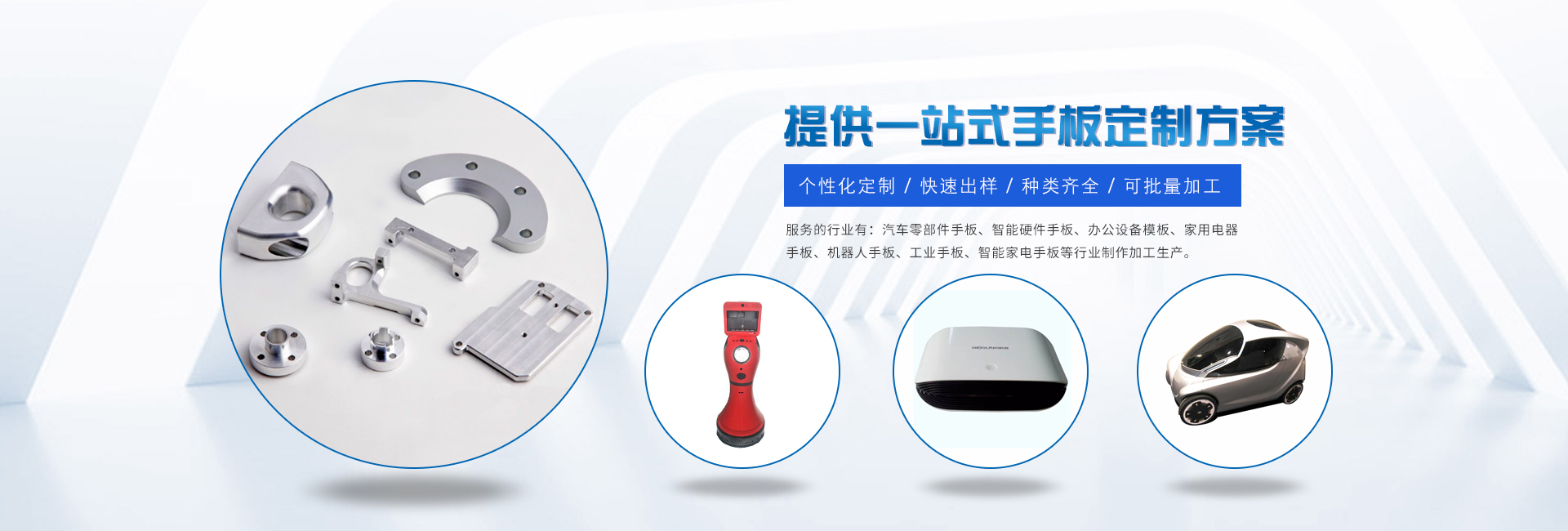

Prototypes are precision products used for validating research and development products. Since each custom prototype for different clients is unique, some customers may also request specific materials or processing techniques to meet quality and cost control requirements. This is why there are variable price factors in domestic prototype manufacturing.
1. Material used for prototype processing
For example, when comparing plastic and metal prototypes, the price differences can be significant due to variations in materials and density. For instance, choosing eco-friendly or food-grade materials also results in a price discrepancy, thus, different materials lead to different pricing.
2. Prototype Machining Techniques
During the prototype processing, different production techniques lead to varying costs, such as CNC machining, 3D printing, and vacuum casting all carry different price points; factors like the higher difficulty of metal prototype processing compared to plastic prototypes also contribute to the price diversity.
3. Post-processing工艺 for Prototypes
The post-processing techniques for prototypes include polishing, sandblasting, painting, oxidation, and screen printing, among others. Prices vary depending on the type of post-processing, with each additional step increasing the cost. Customers can choose the appropriate post-processing technique based on their product requirements.
Understanding the price factors influencing prototype model production can greatly assist in controlling the budget for prototype processing costs, thereby ensuring the smooth progression of subsequent production plans.
