
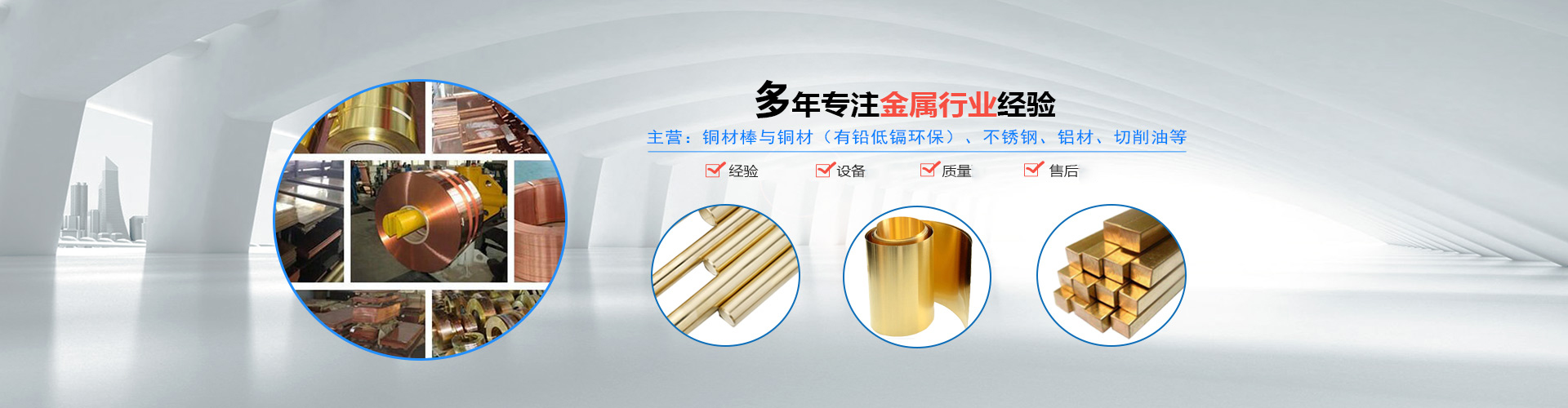



Brass is an alloy composed of copper and zinc. Copper-zinc brass is commonly referred to as ordinary brass, while brass made up of two or more elements is known as special brass. Brass boasts excellent wear resistance and is frequently used in the manufacturing of valves, water pipes, air conditioner internal and external unit connection pipes, and radiators, among other applications.
Additionally, according to the Cu-Zn binary phase diagram, brass is a copper-zinc binary alloy at room temperature, with a wide range of zinc content, resulting in significant variations in its room temperature microstructure.
The wear resistance of brass varies depending on the type and composition of the alloy.
In general, brass exhibits excellent wear resistance, especially when lubricants are present. This is primarily due to the zinc element in the brass alloy, which increases the material's hardness, while the copper element enhances its toughness, resulting in good wear resistance under frictional conditions.
However, the wear resistance of brass can also be affected by its composition and manufacturing process.
In certain cases, excessive zinc content in brass can lead to material softening and reduced wear resistance. Additionally, the presence of impurities in brass or defects during the manufacturing process may also affect its wear resistance.
To ensure the wear resistance of brass, strict control over its composition and manufacturing process is necessary, along with proper maintenance and lubrication during use.
