
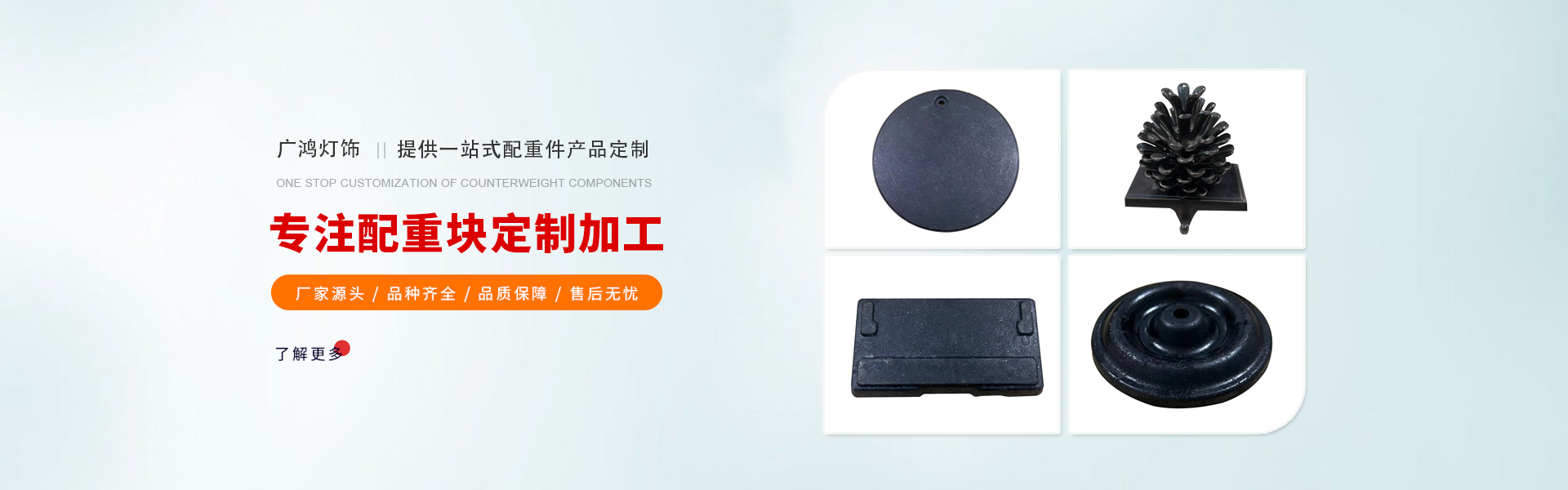
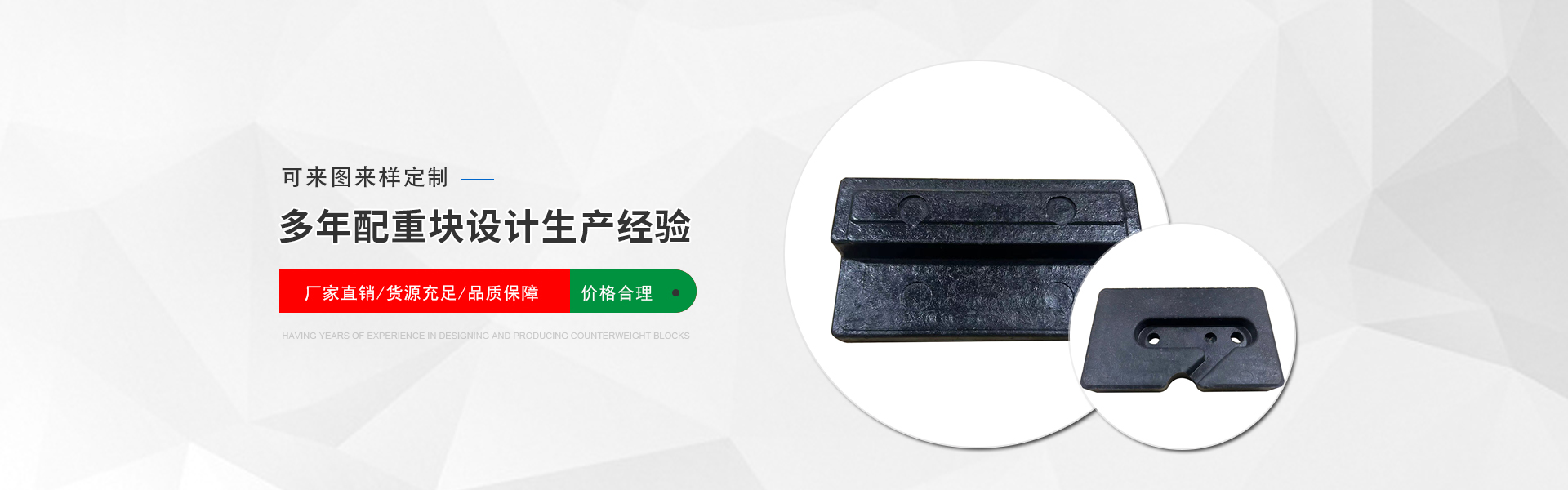
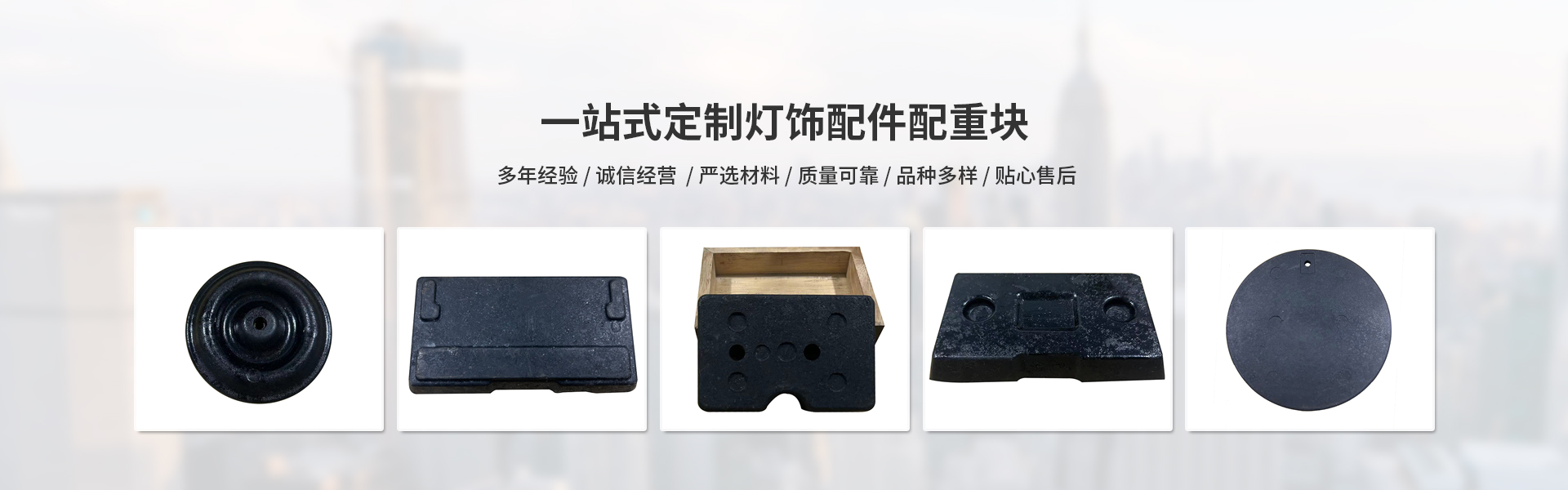

Nowadays, fitness has become a part of many people's lives. Whether it's outdoor or indoor exercise, fitness equipment is indispensable. Have you noticed that? The circular turntables used by elderly people in community fitness rooms, the dumbbells used by young people, various lighting or electrical appliances, and many other equipment all require weight plates. Some sports equipment also has uneven weight distribution on both ends due to demand. If one end is heavier and the other lighter, it's easy to tip over. Therefore, it's necessary to balance the lighter end with something. That something is the weight plate. In life, weight plates are almost everywhere.
Weighing blocks are actually heavy objects used to add weight and maintain overall balance. They are not only needed for sports equipment but also for a wide range of items, from a small mouse to heavy machinery weighing several tons. The true development of weighing blocks began after the 20th century, as technology advanced and higher demands were placed on their physical properties, requiring better casting quality and enhanced machinability.
In sports equipment, the weight plates undergo heat treatment, shaping, rust prevention, and several other processes to ensure safety and effectiveness. An improperly designed weight plate not only fails to provide balance but could potentially pose a hazard. Therefore, manufacturers must carefully select high-quality weight products.
