
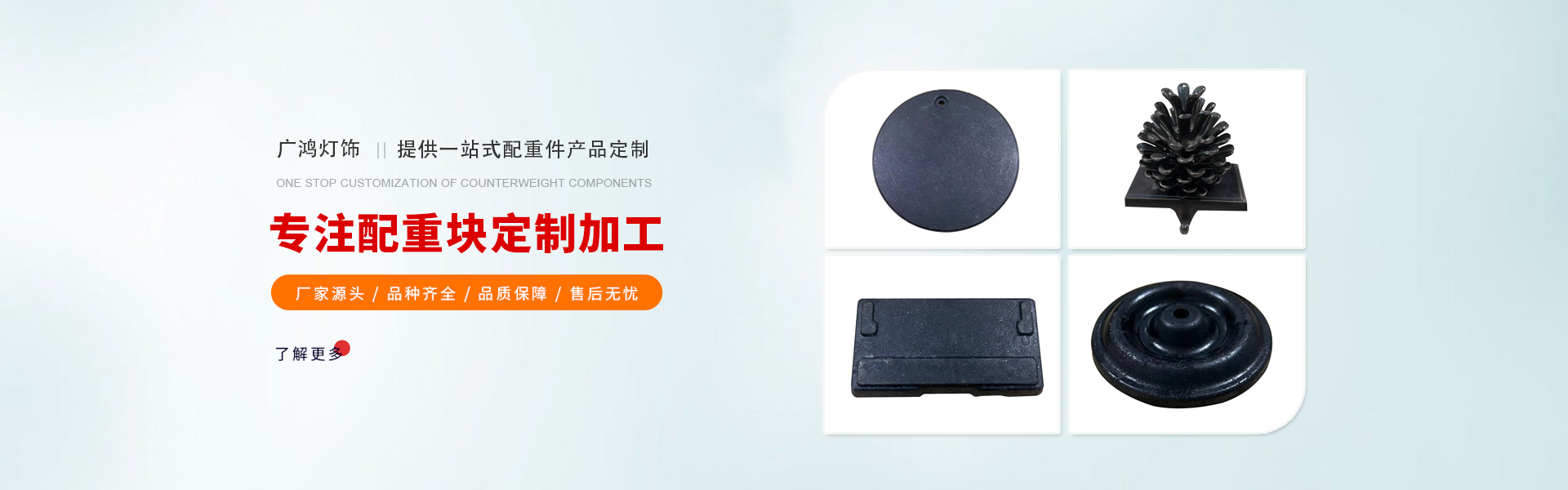
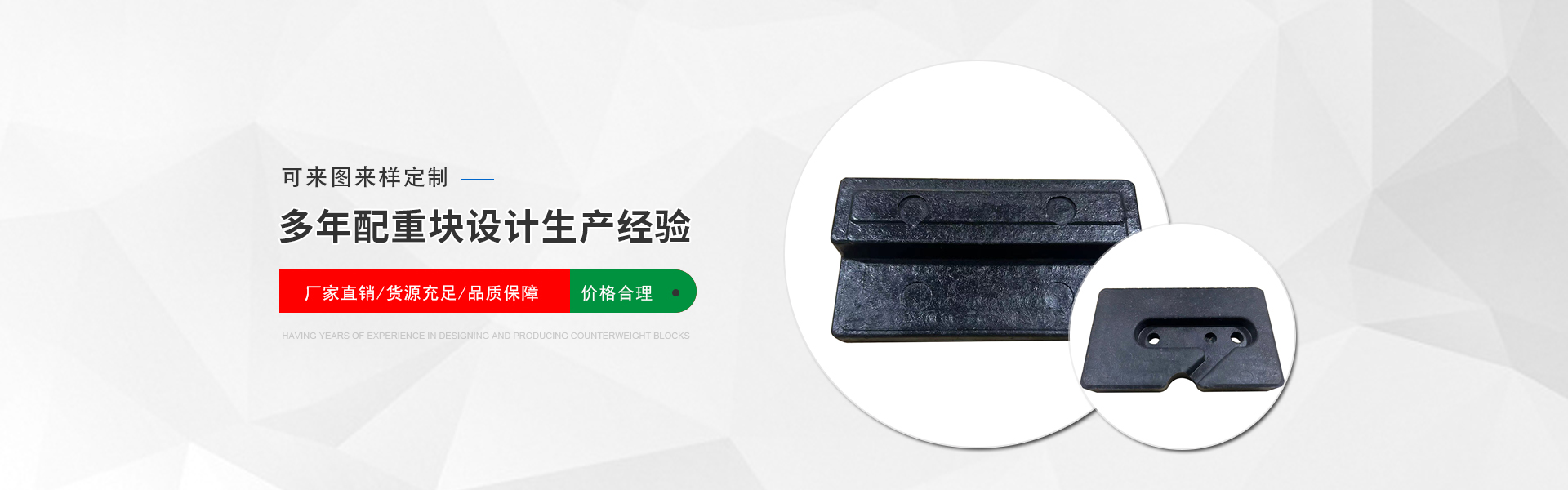
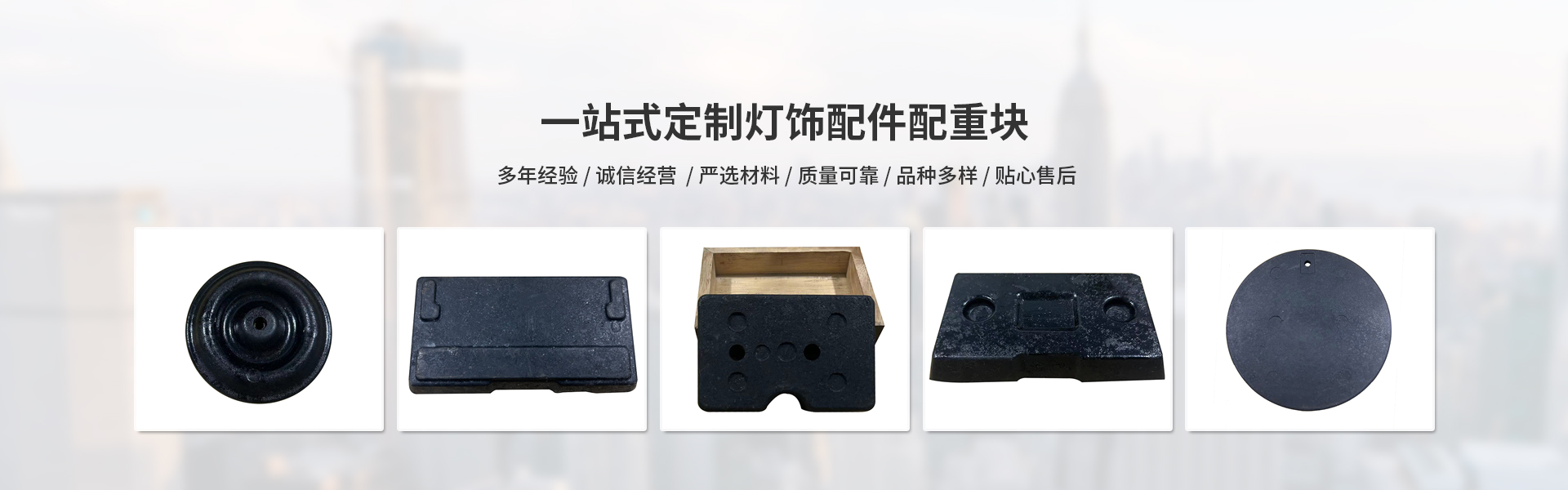

A balancing weight is a critical component used to offset imbalances in machinery, equipment, or vehicles during operation. By adjusting the weight of the balancing weight, it can achieve a balanced state during use, reducing vibration and noise, and enhancing the reliability and stability of the equipment.
We offer a variety of weight block specifications, commonly including cast iron and steel types. Each material has its own advantages and disadvantages during use. Here are some common specifications:
Cast Iron Counterweights: Known for their stable weight and affordable pricing, they are extensively used in earthmoving machinery, construction equipment, and electrical appliances industries.
2. Steel Counterweights: Known for their excellent wear resistance, long service life, and high weight accuracy, these are suitable for high-speed rotating machinery, automotive applications, and more.
3. Rubber Weight Blocks: Lightweight, excellent vibration resistance, and easy to use, these are suitable for special fields.
When selecting counterweights, it is essential to choose materials and specifications based on the actual conditions. Here are the selection methods:
Select the total weight of the counterweights based on the weight of the machinery or equipment.
Select appropriate materials and specifications for counterweights based on the working environment and operational status of the machinery or equipment.
When installing counterweights, ensure even distribution to achieve as smooth an operation as possible for the machinery or vehicle.
When selecting suppliers for counterweights, consider the quality of their products and after-sales service, opting for well-known brands and reliable suppliers.
Counterweights are an indispensable and critical component in machinery, equipment, and vehicles. Proper selection of counterweights can effectively reduce equipment vibration and noise, enhancing its reliability and stability. When choosing counterweights, one should rationally select materials and specifications based on the actual situation and pay attention to even and uniform installation.
