
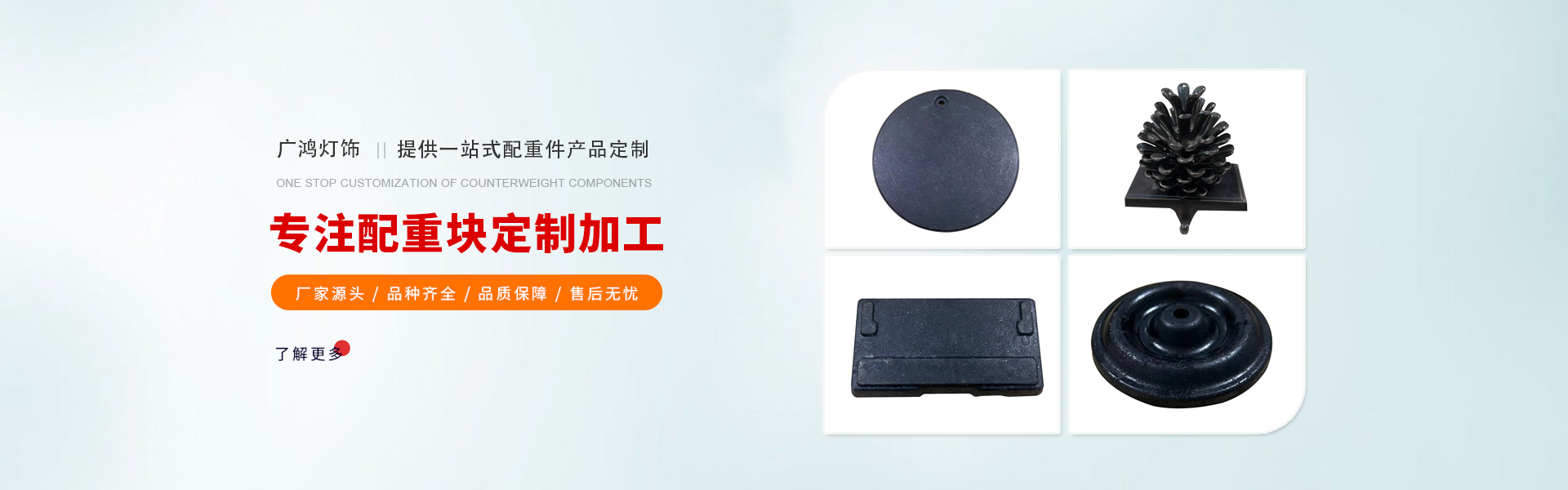
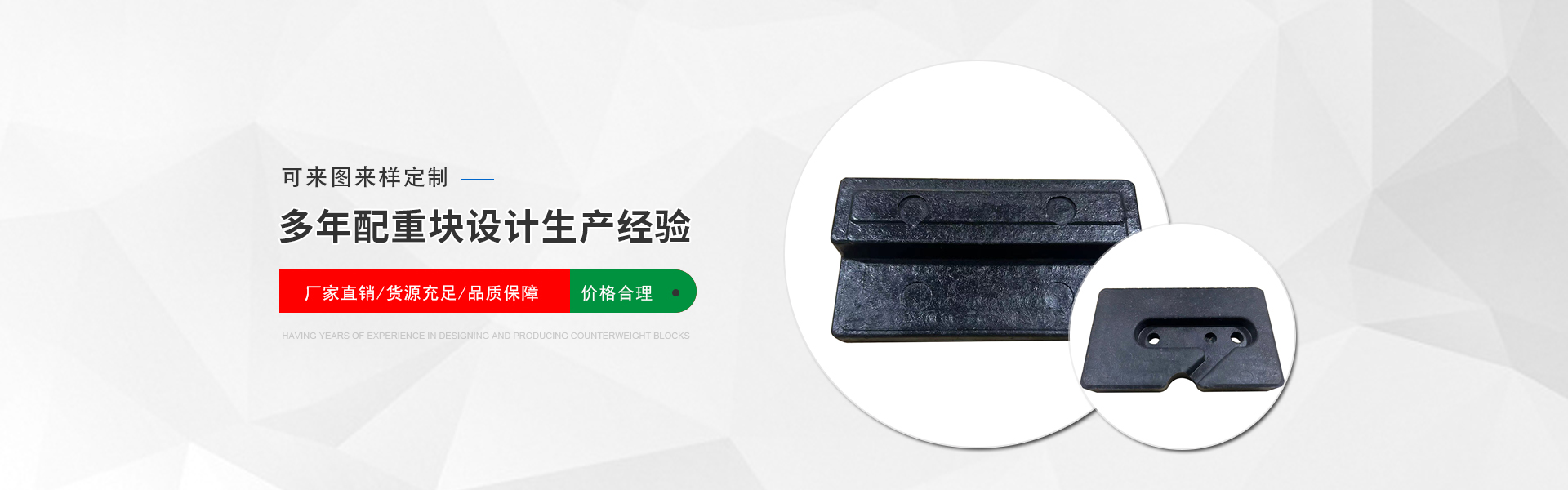
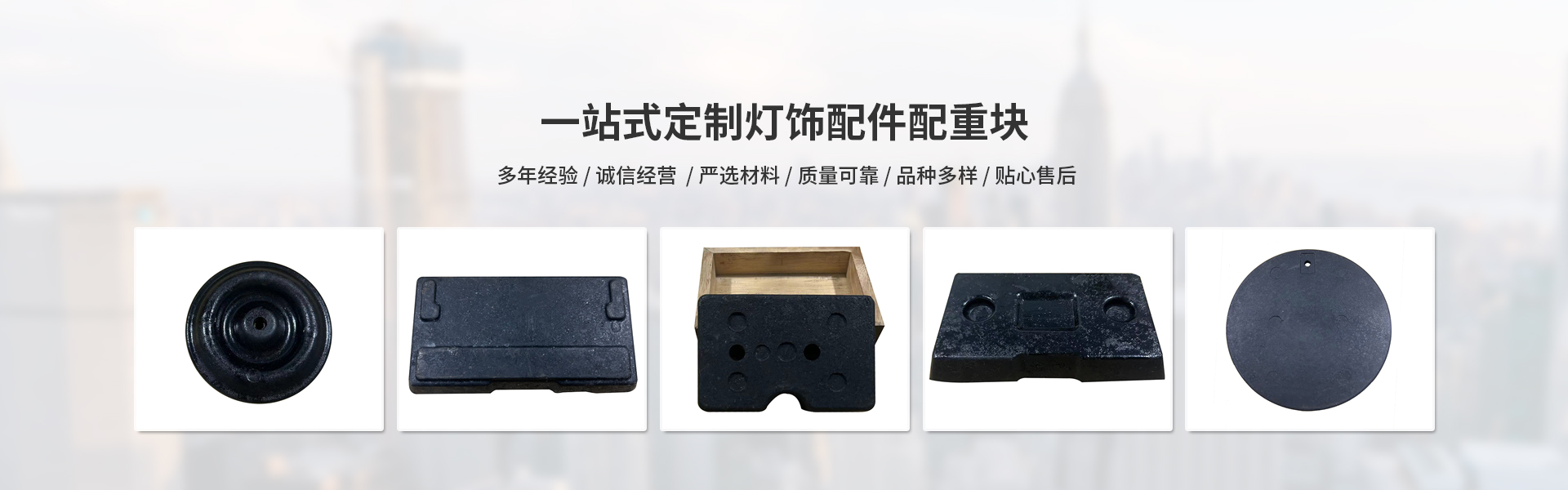

The weight distribution of desk lamps is primarily designed to enhance stability, preventing any wobble or sway during use, thereby improving comfort and safety. The principle involves adding weight to the lamp using counterweights, increasing the base's center of gravity, and boosting the lamp's stability.
Formula for calculating the size of the weight block for desk lamps:
Based on relevant knowledge from physics, the following formula can be derived:
M1 × R1 = M2 × R2
M1 represents the quality of the desk lamp itself (in kg), R1 is the distance from the ground (in m), M2 is the quality of the counterweight (in kg), and R2 is the distance from the ground to the counterweight (in m).
Therefore, by measuring the quality of the desk lamp itself and its height from the ground, and setting the height of the counterweight from the ground, the required mass of the counterweight can be calculated.
The specific calculation method is as follows:
M2 = (M1 × R1) / R2
How to Install the Weighting Blocks for Desk Lamps:
Measure the quality of the desk lamp itself and its height from the ground, and record it.
2. Calculate the required weight block mass using the above formula, and purchase weight blocks of the corresponding weight.
3. Install the counterweight. First, disassemble the base of the desk lamp and place the counterweight inside. Next, reassemble the base of the desk lamp.
4. Test the effect. Place the desk lamp in an appropriate position, turn on the light, and check for any noticeable swaying or rocking. If present, adjust the position and weight of the balancing weight again.
In summary, by calculating and installing counterweights appropriately, the stability and comfort of the desk lamp can be enhanced, effectively avoiding inconvenience and potential safety hazards caused by swaying or rocking.
