
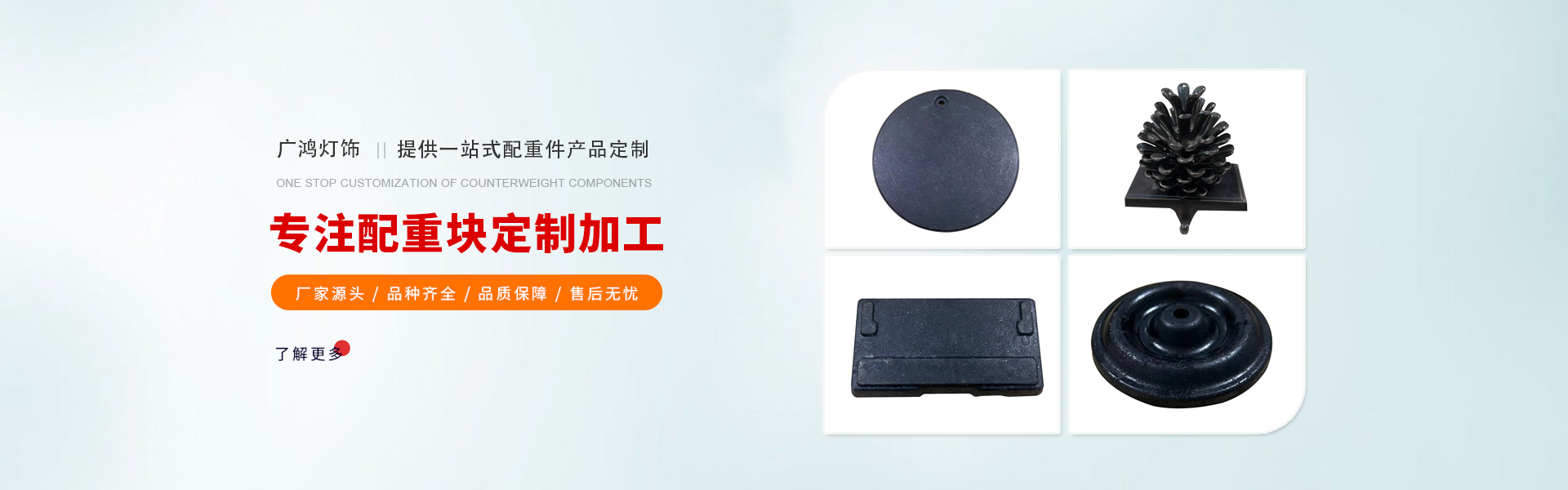
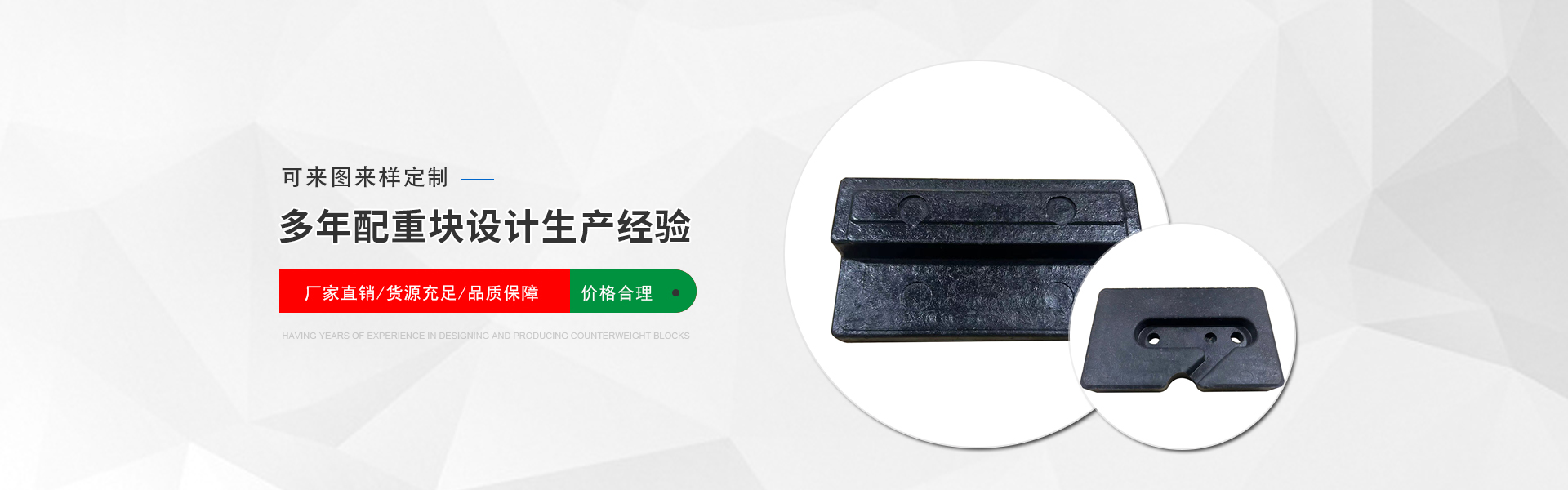
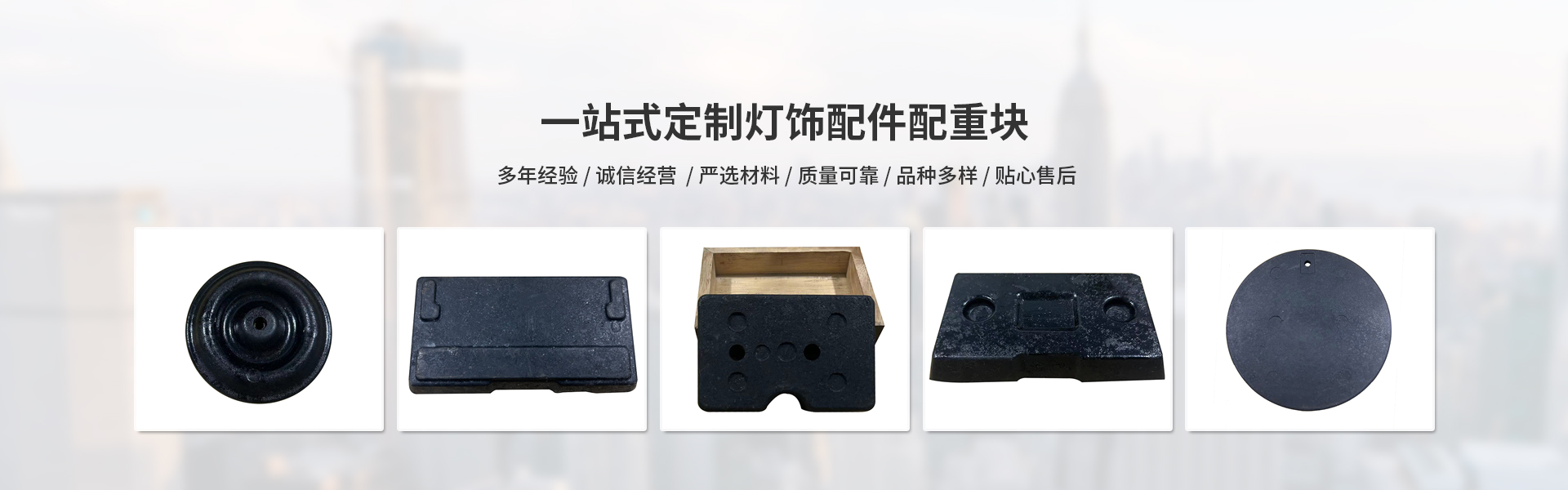

Floor lamps are a common indoor lighting fixture, primarily used for localized illumination. However, due to their unique structure with slender legs, they require a weight base for stability during use. The weight base serves to increase the floor lamp's weight, making it more stable and preventing risks such as tilting or toppling.
How to Properly Use a Floor Lamp Weight Block
Firstly, when purchasing a floor lamp, be mindful to check if it requires a counterweight. If so, purchase the corresponding counterweight at the same time to avoid mismatch issues upon use.
When installing a floor lamp, first place the weight block inside the base of the lamp, ensuring it is tightly fitted. Be mindful to install the weight block away from the edges of the lamp and the plug to avoid any interference with use.
When using floor lamps, place them on a flat surface to ensure the weight block's effectiveness. Additionally, avoid placing floor lamps on uneven or slippery surfaces to prevent the weight block from losing its function.
When using floor lamps, be mindful not to overload them. Only use bulbs and power plugs within the specified range to avoid overloading the weight block.
Regularly inspect the installation of floor lamps and counterweights to ensure optimal performance.
Cautionary Note:
The weight of the base weight block for pendant lights should be selected based on the different models and heights of the pendant lights; the specific weight requires consultation with professionals.
When using the base-weight blocks for floor lamps, avoid sudden movements or摇晃 to prevent the blocks from falling off.
If the base of the floor lamp is small and the weight block is large, you can place some filling material around the weight block to ensure stability.
When replacing a base lamp or counterweight, ensure the new counterweight has the same weight as the original.
In summary, it is crucial to properly use the weight blocks when using floor lamps, as only correct usage ensures their stability and longevity.
