
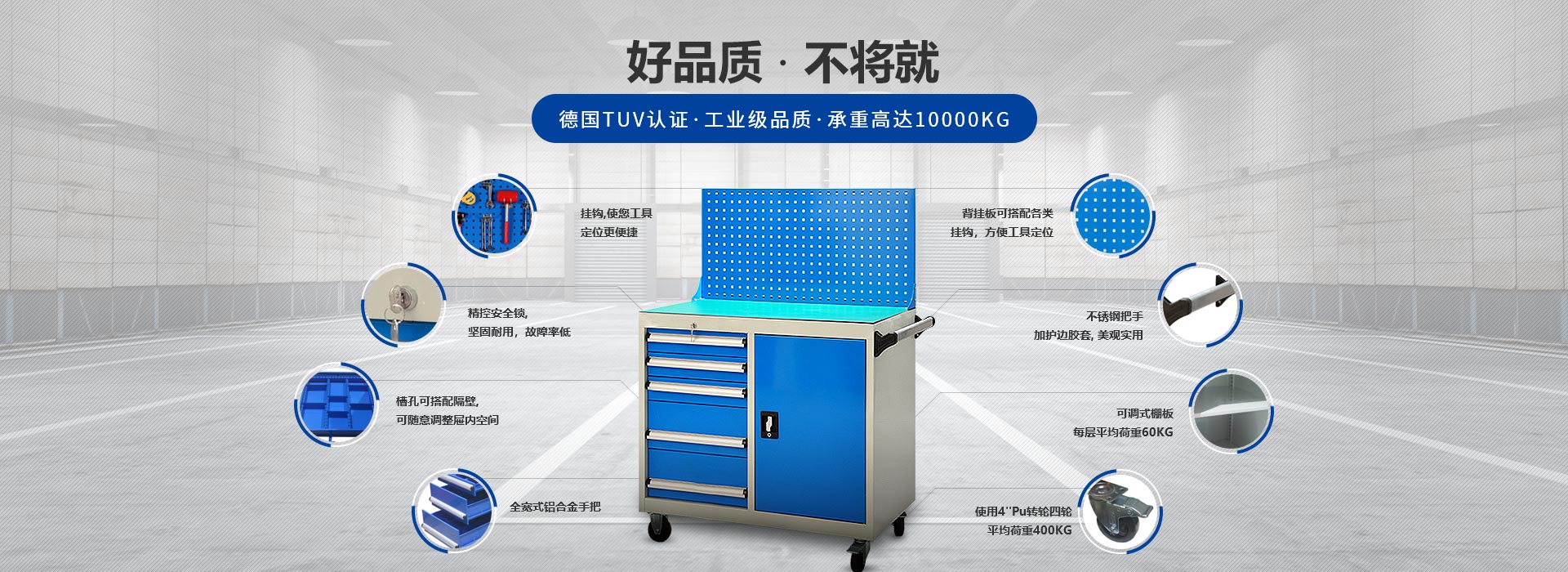

In recent years, with the rapid development of the logistics industry, transport containers such as component cabinets and周转boxes have also seen growth, and the market outlook is promising. Component cabinets, a smaller subset of logistics containers, are used to effectively manage small, fragmented parts, enabling efficient management of scattered items within a company. They can also be used in conjunction with other logistics containers and workbench tools to meet the integrated management needs of production and distribution enterprises.
What should we pay attention to when using parts cabinets?
Firstly, the material commonly used for our component cabinets is a composite of copolypropylene and polyethylene, which combines the benefits of both. It is resistant to acids and alkalis, oil stains, odorless, and easy to clean. It can hold a variety of items, but is not heat-resistant and should not be left in direct sunlight for extended periods to prevent the aging of the plastic material and affect the lifespan of the cabinet.
Next, the temperature range for the parts cabinet is approximately -30°C to +70°C, which can accommodate most production environments. However, it should not be placed too close to a heat source to prevent plastic aging and deformation, which could shorten the lifespan of the marketing parts cabinet.
Again, the parts cabinet typically comes in four standard colors: red, yellow, blue, and black. Of course, other colors can be chosen based on actual needs. In our daily use, we should also pay attention to the cleaning of the parts cabinet to keep it shiny and new. This allows us to differentiate the cabinets holding different items by color, facilitating management.
So, the Guangdong Runpu editor suggests:
When using component cabinets, one must not act blindly. First, it is crucial to determine if they are toxic, as there is a significant variation in the quality of component cabinets on the market. Therefore, a careful identification should be conducted before use.
2. Do not use the parts cabinet for storing oil, vinegar, or alcohol. Although the material is environmentally friendly and convenient for storage, using it to contain these substances can lead to swelling and the production of harmful substances to humans. Also, be cautious to prevent explosions and avoid aging.
Parts cabinets, although they require numerous precautions during use, such as fire prevention, avoiding high temperatures, protecting from direct sunlight, keeping dry from rain, and not frequent contact with water or oils, etc.
