
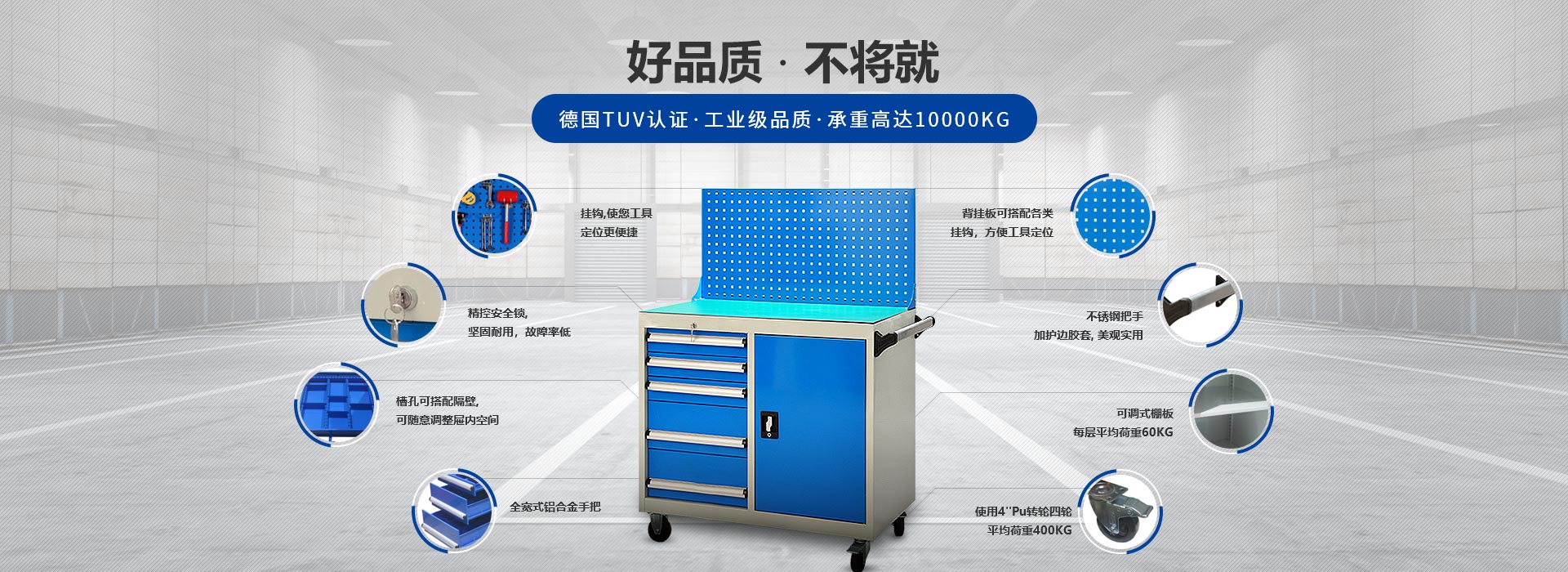
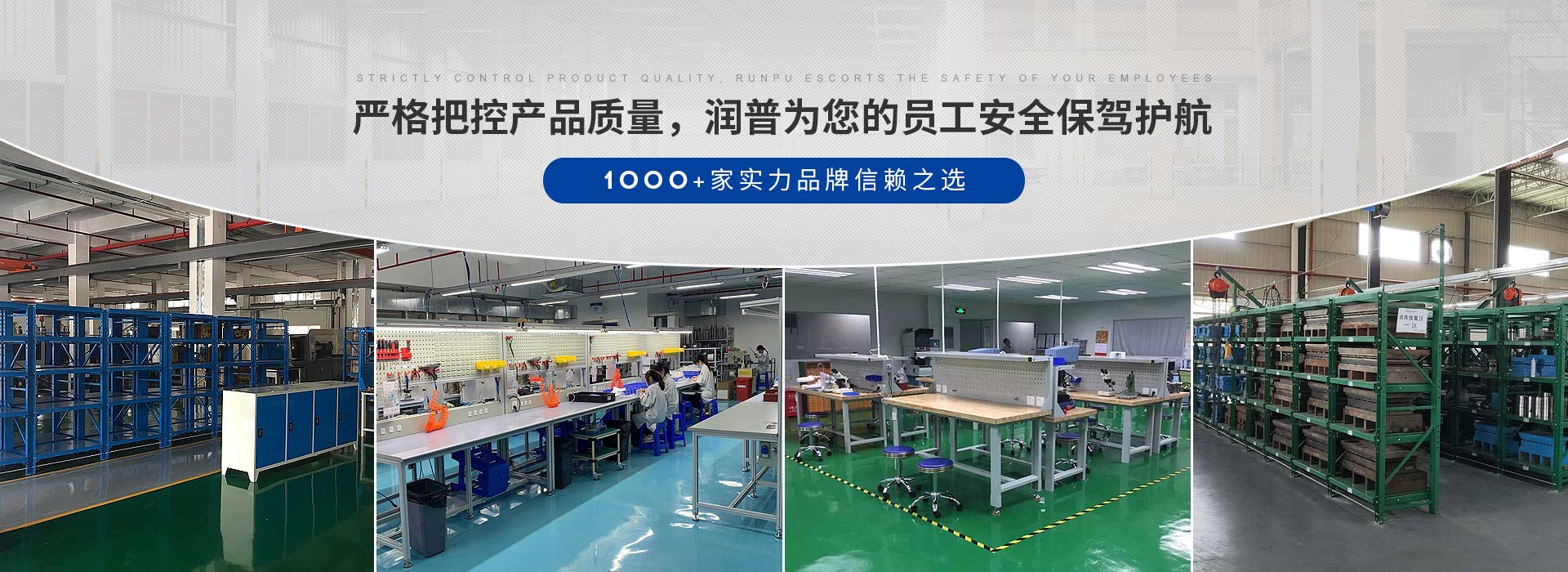

Workbenches are an essential tool in factory workshops, and there are many different types of workbenches, such as hexagonal workbenches. These come in various top options, suitable for production in workshops across various industries.
1. Fireboard Countertop: The hexagonal workbench countertop is made of melamine fireboard, featuring lightness, beauty, and wear resistance. It is commonly used for lightweight workbenches for electronic products.
2. Top Sheet of Thin Iron Plate: The countertop is made of high-density composite board with a 1.5mm thick iron plate covering, offering excellent strength, impact resistance, wear resistance, and durability, with a long service life. Commonly used for heavy-duty workbenches.
3. Thick Iron Plate Covering: The countertop is made of high-density composite board with a 5mm thick iron plate laid on the surface. It boasts high strength, strong impact resistance, excellent wear resistance, and long service life. It is capable of fitting a vise and is commonly used for heavy-duty workbenches and repair stations.
4. Multi-layer Plywood Desktop: The hexagonal workbench top is made from imported hardwoods using high-performance waterproof and heat-resistant phenolic resin glue for hot pressing. It boasts high bonding strength, large elastic modulus, and corrosion resistance. The surface is flat, highly stable, can bear heavy loads, and has excellent impact resistance.
5. Composite Countertop: The countertop of the hexagonal workbench is made of high-density composite board with a surface material thickness of 2mm; it features oil, wear, and acid-base resistance, strong impact resistance. The four edges of the countertop are sealed with high-strength plastic, making it sturdy and practical, less prone to damage or fall off. It is commonly used for both light and heavy-duty workbenches.
6. Phenolic Board Countertops: Specifically designed for use with electronic substrates coated with materials like epoxy phenolic resin, these are formed through high-temperature and high-pressure hot pressing, offering excellent mechanical and dielectric properties. They have good insulating and heat-resistant capabilities as well as resistance to moisture, and are suitable for mechanical processing. They are commonly used for monitoring and testing tables in the testing and detection of motors and electrical equipment.
