

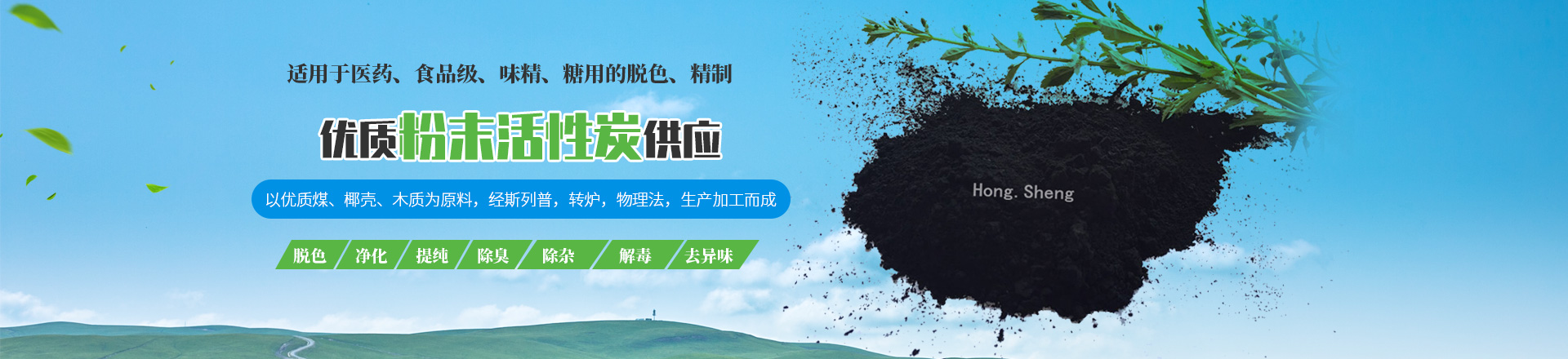
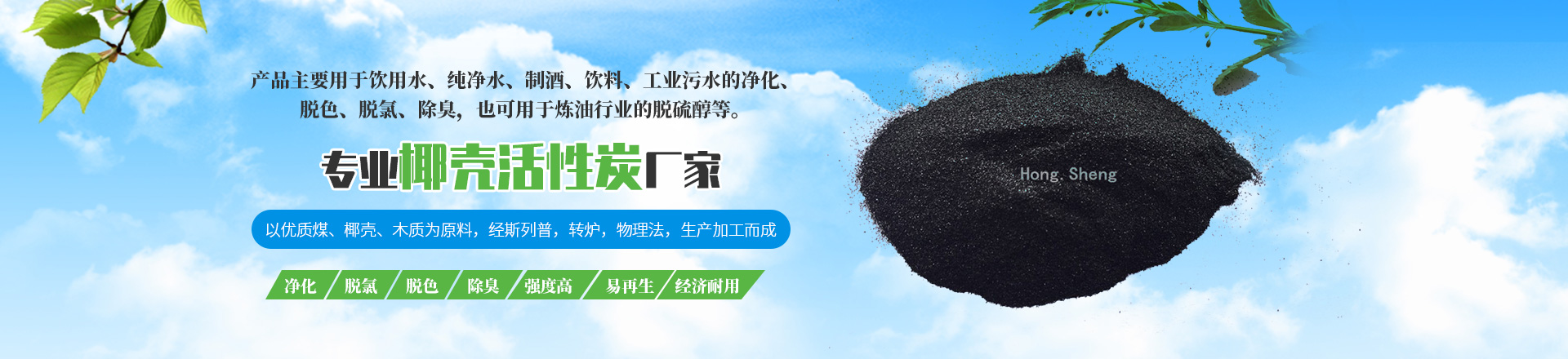

Activated carbon is a specially treated carbon that is produced by heating organic materials (such as fruit shells, coal, wood, etc.) in an oxygen-free environment to reduce non-carbon components (this process is called carbonization). It is then reacted with gases, leading to surface erosion and the formation of a highly developed microporous structure (this process is called activation). The price of activated carbon is influenced by the following factors:
Raw Material Prices: The main raw materials for activated carbon are wood, coal, coconut shells, etc., and fluctuations in raw material prices will directly affect the price of activated carbon.
2. Processing Costs: The production of activated carbon involves multiple stages, including drying, crushing, screening, and activation, which affect the processing costs and, in turn, the price of activated carbon.
3. Market Demand: The demand for activated carbon will affect prices. If the market demand is high, prices will rise; conversely, if demand is insufficient, prices will fall.
4. Market Supply: The supply of activated carbon is also one of the factors affecting prices. If the market supply is tight, prices will rise; if the market supply is ample, prices will fall.
5. Policy Regulations: Changes in policies and regulations, such as tariffs and export restrictions, will affect the price of activated carbon.
6. Consumer Preferences: Different consumers have varying preferences and needs, requiring different types, sizes, and weights of activated carbon, which also affect its price.
In summary, the price of activated carbon is a result of a combination of factors, including raw materials, processing costs, market supply and demand, regulatory policies, consumer preferences, and economic environment changes.
