

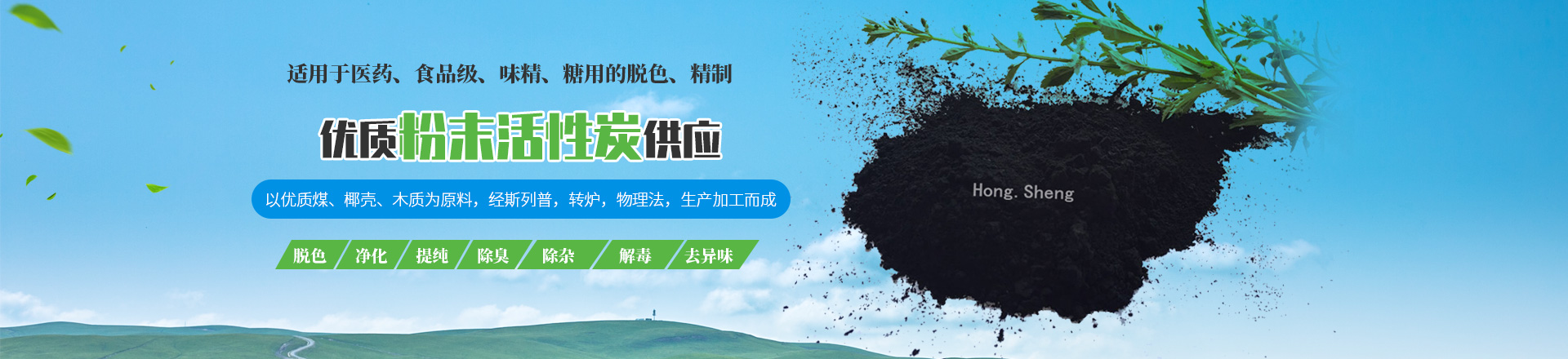
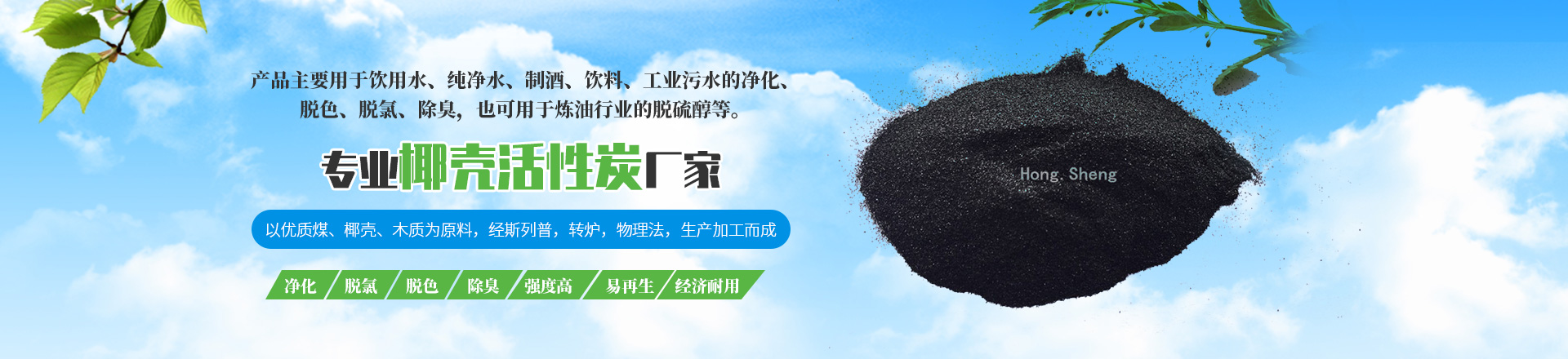
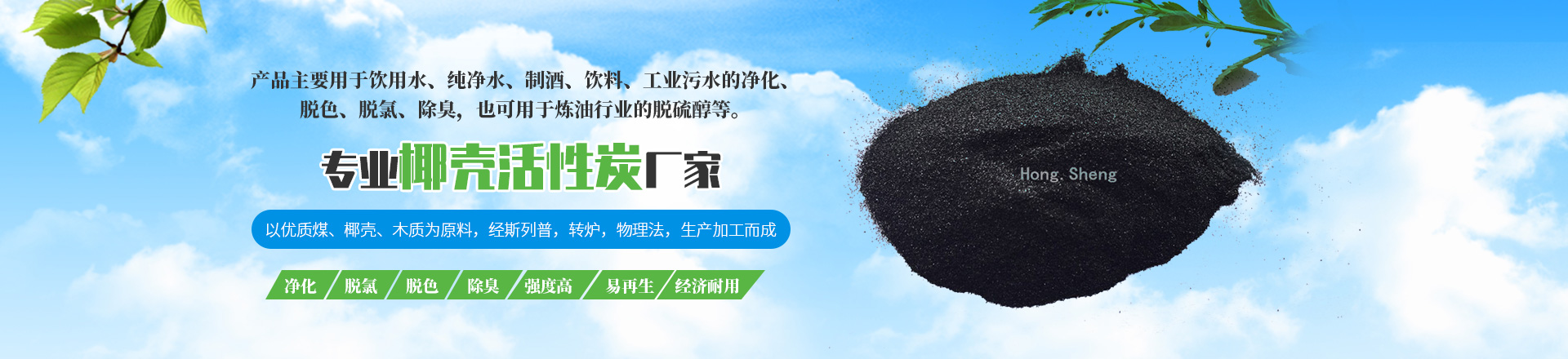

Coconut shell activated carbon is a natural adsorbent, primarily obtained through special processing of coconut shells. Its main features include a large surface area, uniform pore distribution, and strong adsorption and purification capabilities. It is mainly used in fields such as water treatment, air purification, the food industry, and the chemical industry.
The production process of coconut shell activated carbon generally includes the following steps:
Coconut Shell Sorting: Initially, we sort and clean fresh coconut shells purchased from the market to ensure their quality.
Processed: Made from coconut shells through processes such as crushing, high-temperature steaming, and drying to produce activated carbon.
Activated Treatment: The coconut shell activated carbon undergoes steam furnace activation, resulting in a large surface area and uniformly distributed micropores, enhancing its adsorption and purification capabilities.
Packaging and Storage: Proper packaging and storage of the processed coconut shell activated carbon are conducted to ensure its quality and effectiveness.
The advantages of coconut shell activated carbon mainly include the following points:
Purely natural and eco-friendly, free of any chemical additives, safe and non-toxic.
Excellent air permeability, less prone to clogging, and a longer service life.
Rich pore structure, large surface area, and strong adsorption capacity, effectively removing odors, colors, impurities, and harmful substances from water and air.
In summary, coconut shell activated carbon is widely used in modern industry and daily life, serving as a crucial material for purifying water bodies, improving the environment, and reducing fuel consumption. It is a versatile and broadly applicable natural adsorbent with great prospects.
