
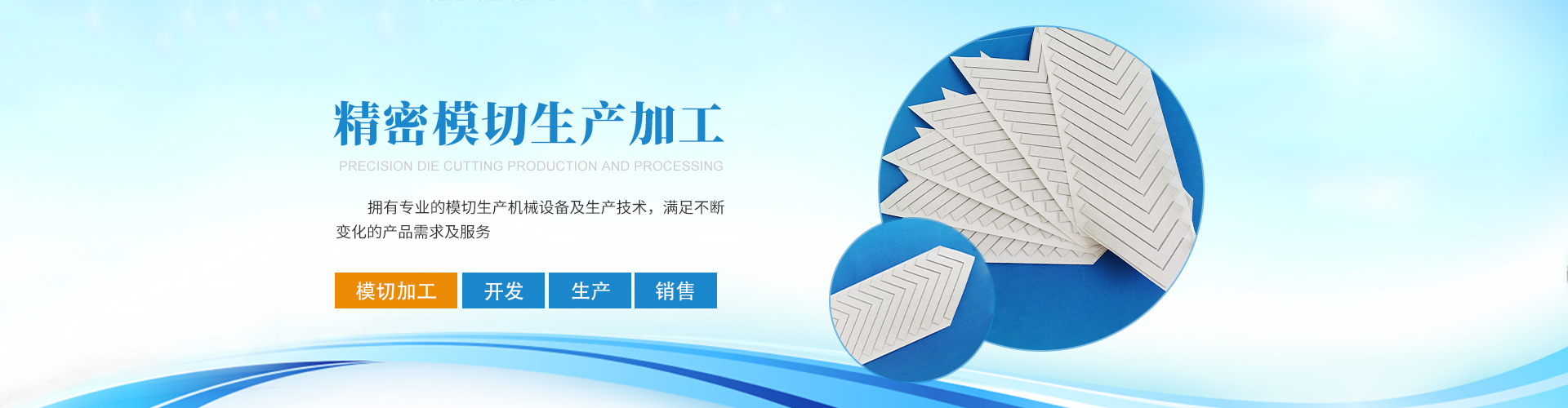



Die-cutting involves creating die-cutting blades according to pre-designed graphics to cut printed materials or other paper products, allowing the shapes of the printed items to be more than just straight edges and right angles. Traditional die-cutting production uses die-cutting blades, which are assembled according to the design requirements of the product, to form die-cutting plates. Under pressure, these blades shape printed materials or other flat blanks into the desired shapes or cuts. The die-cutting embossing process utilizes embossing knives or molds to press lines onto the material under pressure, or uses rolling wheels to roll lines onto the material, enabling the material to bend and form as predetermined. Typically, the die-cutting and embossing processes are combined in a single template and performed simultaneously on a die-cutting machine, commonly referred to as die-cutting.
As the electronics industry continues to rapidly expand, particularly with the ever-growing range of consumer electronics, die-cutting processes are no longer limited to the post-press stage of printing products. They now play a crucial role in the production of auxiliary materials for industrial electronic products. Common applications include: audio-visual, display indicators, safety protection, transportation, office supplies, electronic power, communication, industrial manufacturing, and home leisure industries. Die-cut materials are used in products such as mobile phones, MID devices, digital cameras, cars, LCDs, LEDs, FPCs, FFCs, RFID tags, and more, gradually serving functions like adhesive bonding, dust-proofing, shock-proofing, insulation, and shielding. The materials used for die-cutting processes include rubber, single and double-sided tape, foam, plastics, vinyl, silicon, metal foil, optical film, protective film, mesh, hot melt tape, silicone, and more.
