

The equipment involved in the foam ceramic production process mainly includes the following categories:
Raw Material Processing Equipment
Ball Mill: Used for grinding ceramic raw materials to achieve the desired particle size and uniformity, typically through a rolling ball mill process. The ball mill contains grinding media such as steel balls or ceramic balls. Driven by an electric motor, the grinding media collide and friction against the raw materials, achieving the refinement of the raw materials.
Drying Machines: These are used to dry pre-processed raw materials or those with high moisture content to ensure the moisture content meets subsequent process requirements. Common drying machines include box dryers, drum dryers, and airflow dryers, among others. The appropriate drying equipment can be selected based on the characteristics of the raw materials and the scale of production.
Mixers: These machines thoroughly blend processed raw materials, such as ball-milled and dried materials, with additives like foaming agents, binders, fluxes, and more, to create uniform slurries or powders. Mixers come in various types, including forced-action mixers, planetary mixers, and twin-shaft mixers, each suitable for different materials and mixing requirements.
Section II: Foam Equipment
Foam Generator: A crucial piece of equipment for producing foamed ceramics, its working principle involves thoroughly mixing the foaming agent with ceramic slurry or powder, and then generating gas through either physical or chemical methods to form a large number of uniform bubbles within the slurry or powder. Common foam generators include agitator foam generators, high-pressure foam generators, and physical foam generators, among others.
Stabilization Equipment: During the foaming process, to ensure that bubbles remain stable and uniformly distributed within ceramic materials, stabilization equipment such as stabilizer dosing devices and ultrasonic stabilization equipment is required. The stabilizer dosing device can control the amount of stabilizer added, while the ultrasonic stabilization equipment utilizes the vibration effect of ultrasound to enhance bubble stability.
Molding Equipment
Molds: Used to shape and size the foamed ceramic slurry or powder into the required form, molds are typically made of metal, plastic, or silicone, etc. Depending on the specific product requirements, various complex shapes of molds can be designed and manufactured, such as flat molds and non-standard molds, etc.
Molding Machines: These machines inject mixed foam ceramic slurry or powder into molds, shaping them through processes such as pressing, extrusion, and injection. Common molding machines include hydraulic molding machines, extrusion molding machines, and injection molding machines. Different molding methods are suitable for various product types and production scales.
Sintering Equipment
A Tunnel Kiln: A continuous high-temperature sintering equipment suitable for large-scale production of foamed ceramics. Equipped with heating devices and insulating materials, it maintains a stable high-temperature environment. This allows the ceramic green bodies to sequentially undergo preheating, sintering, and cooling stages within the kiln, completing physical and chemical transformations to form porous foamed ceramic products. Tunnel kilns offer advantages such as high production efficiency and stable product quality.
A shuttle kiln is an intermittent high-temperature sintering equipment suitable for small batch production or experimental research. The structure of the shuttle kiln is relatively simple, with easy operation and the flexibility to adjust sintering process parameters according to different product requirements. Shuttle kilns typically use gas, oil, or electricity as energy sources, providing high temperatures and good temperature uniformity.
Five: Cutting and Processing Equipment
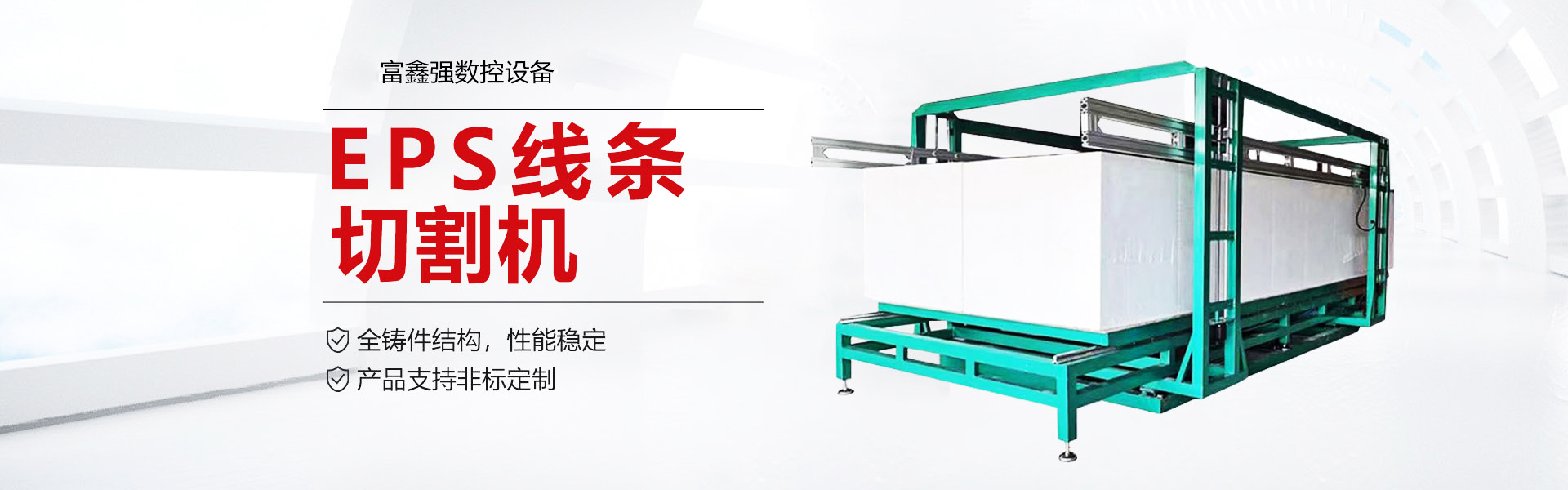
Cutting Machines: Used for slicing sintered foam ceramic sheets or components into the desired dimensions and shapes. Common types of cutting machines include CNC cutting machines, water jet cutting machines, wire cutting machines, etc. CNC cutting machines offer high precision, efficiency, and automation. Water jet cutting machines are suitable for cutting complex shapes and curves in foam ceramic products, while wire cutting machines are primarily used for slicing thin sheets or fine wire-like foam ceramic materials.
Engraving Machines: For carving or decorating on the surface of foam ceramics, engraving machines can be utilized. These machines can carve and process foam ceramics according to pre-designed patterns or models, enhancing the artistic value and decorative effect of the products. Common engraving machines include CNC engraving machines and laser engraving machines.
