
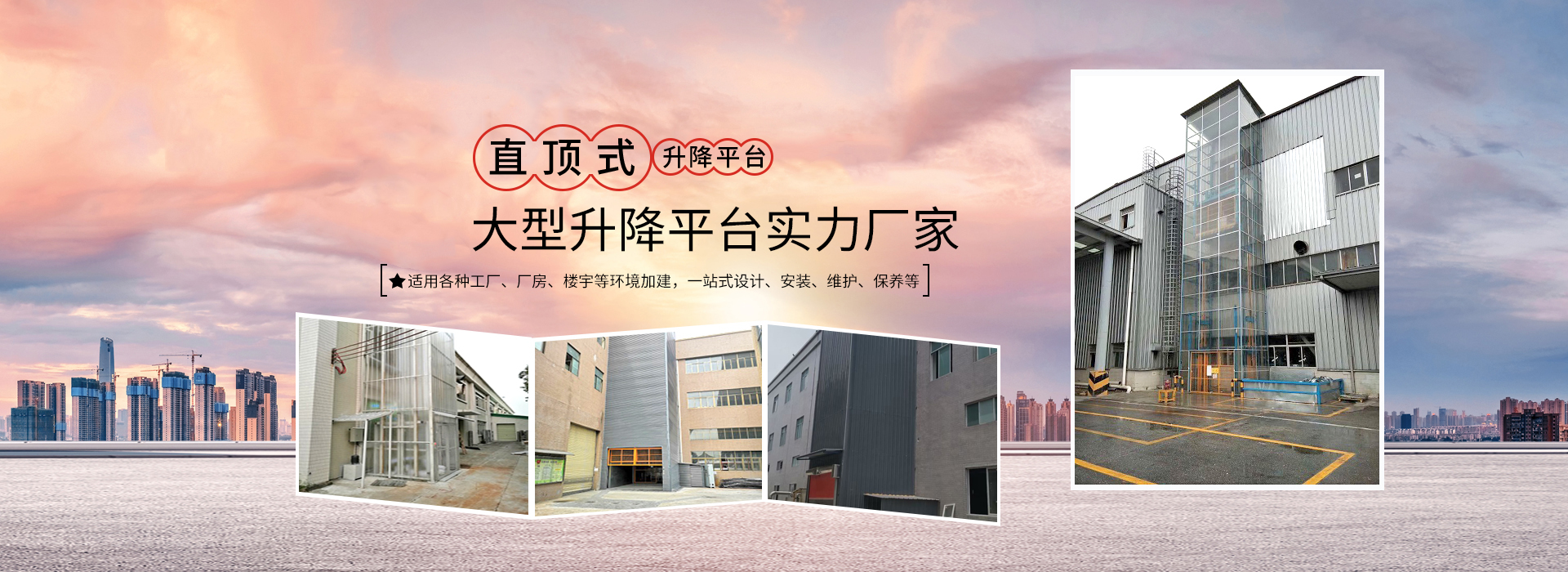
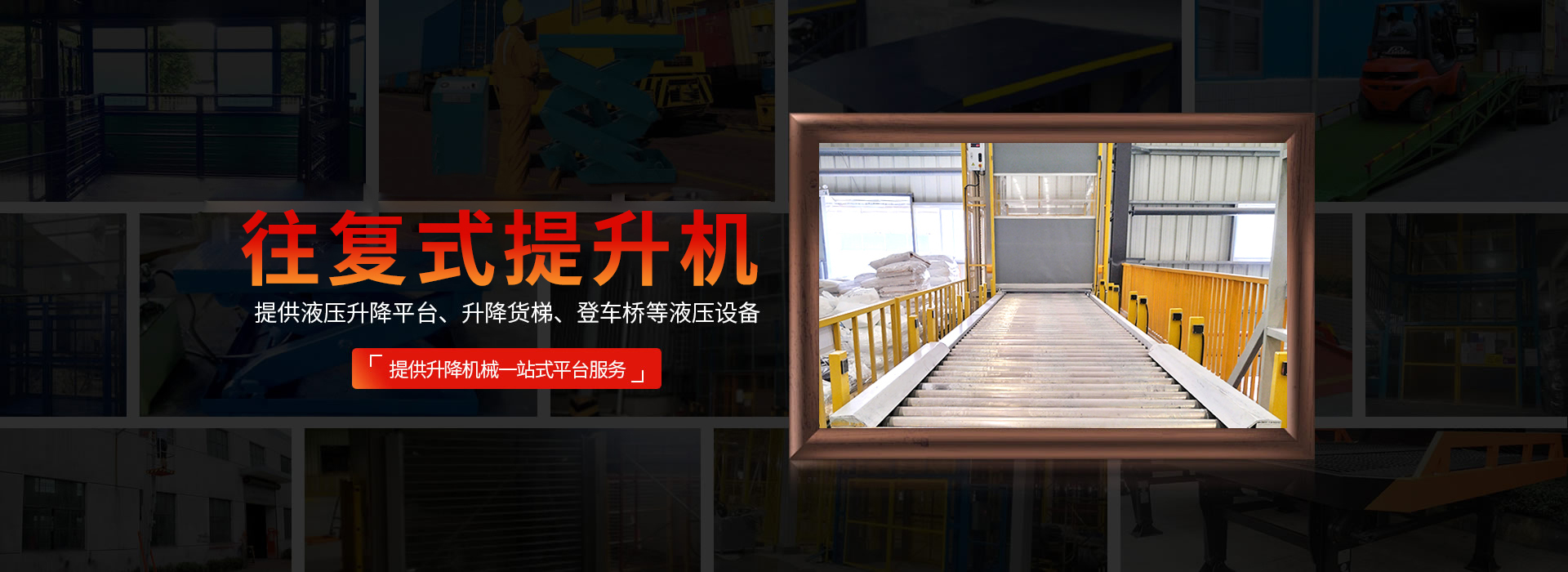
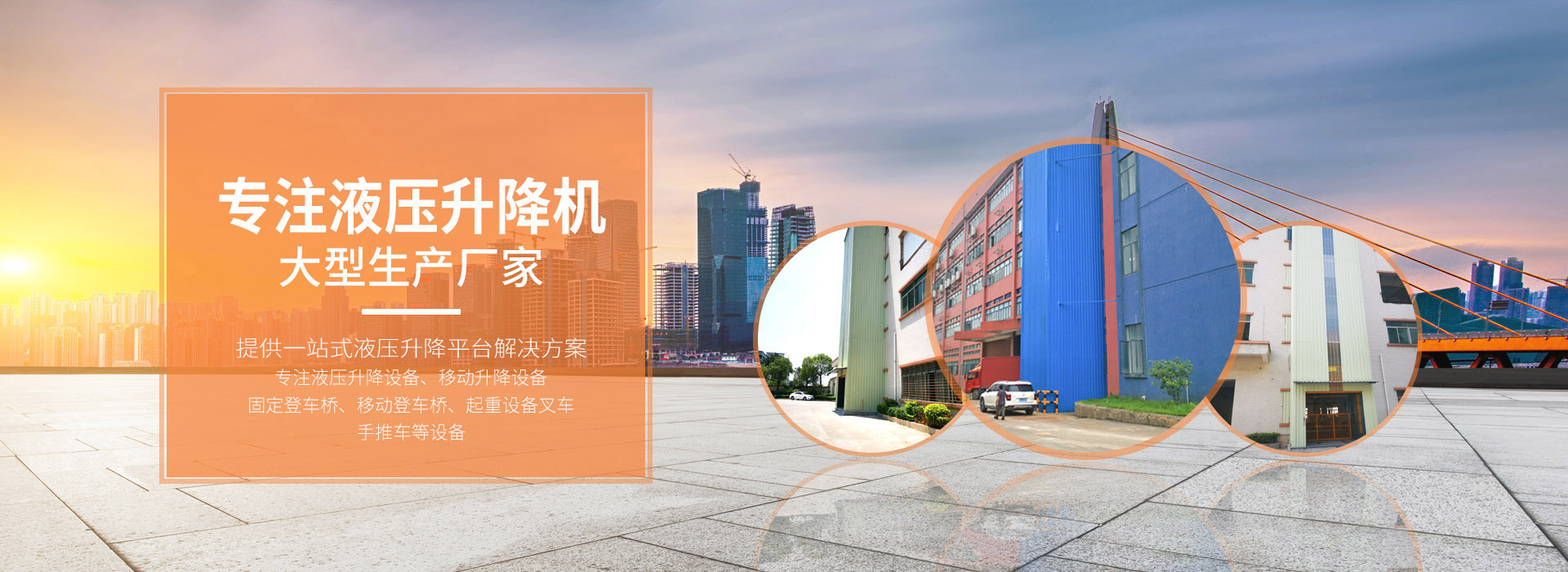

A lifting platform is a versatile lifting and loading/unloading mechanical equipment, which can be divided into fixed and mobile types: the mobile types include straight arm, articulated arm, scissor, mast, aluminum alloy lifting platforms, and cylinder-type; the fixed types include scissor, guide rail, chain, loading/unloading platforms, and attached electric construction platforms, etc. Next, let's discuss the five development directions for lifting platform vehicles:
1. The weight of the lifting platform has been reduced.
The self-weight of the boom system of an aerial work platform directly affects its operational range and stability. As people delve deeper into the study of the boom system of aerial work platforms, they have gained a certain understanding of the optimization of the boom structure. This has led to more rational design and cross-sectional structure during the production of booms, allowing for a reduction in the boom's own weight.
2. Elevator platform height increased
As China's urbanization levels continue to rise, the number of skyscrapers in our cities is skyrocketing, with building heights constantly increasing. This has led to a growing demand for high-altitude work platforms suitable for tall structures. Therefore, to meet the needs of the domestic market and the public, we will intensify our efforts in designing and producing high-altitude work platforms for tall buildings.
3. Elevating Platform Intelligence
As control technologies continue to evolve, aerial work platforms are increasingly equipped with intelligent functions such as automatic leveling, visual operation, intelligent safety controls, wireless remote control, and remote monitoring.
4. Series of Elevating Platforms
Series expansion is an important trend in the development of aerial work platforms. This is due to the enterprises' risk resistance capability; on a global scale, many construction machinery companies have gradually achieved product series expansion, forming variously specified products. As the lifecycle of a single product is limited, its risk resistance is low. However, the series expansion of products can effectively reduce the product development cycle, thus, the domestic aerial work platforms are moving towards a series expansion direction.
5. Multi-functional Elevating Platforms
Currently, aerial work platforms are typically equipped with not only aerial work equipment but also fire pumps, firewater tanks, and other firefighting equipment. They can also be fitted with high-altitude escape devices, such as high-altitude rescue bags, to facilitate high-altitude rescues. In summary, the future aerial work platforms will undoubtedly be multi-functional, high-performance work vehicles.
