
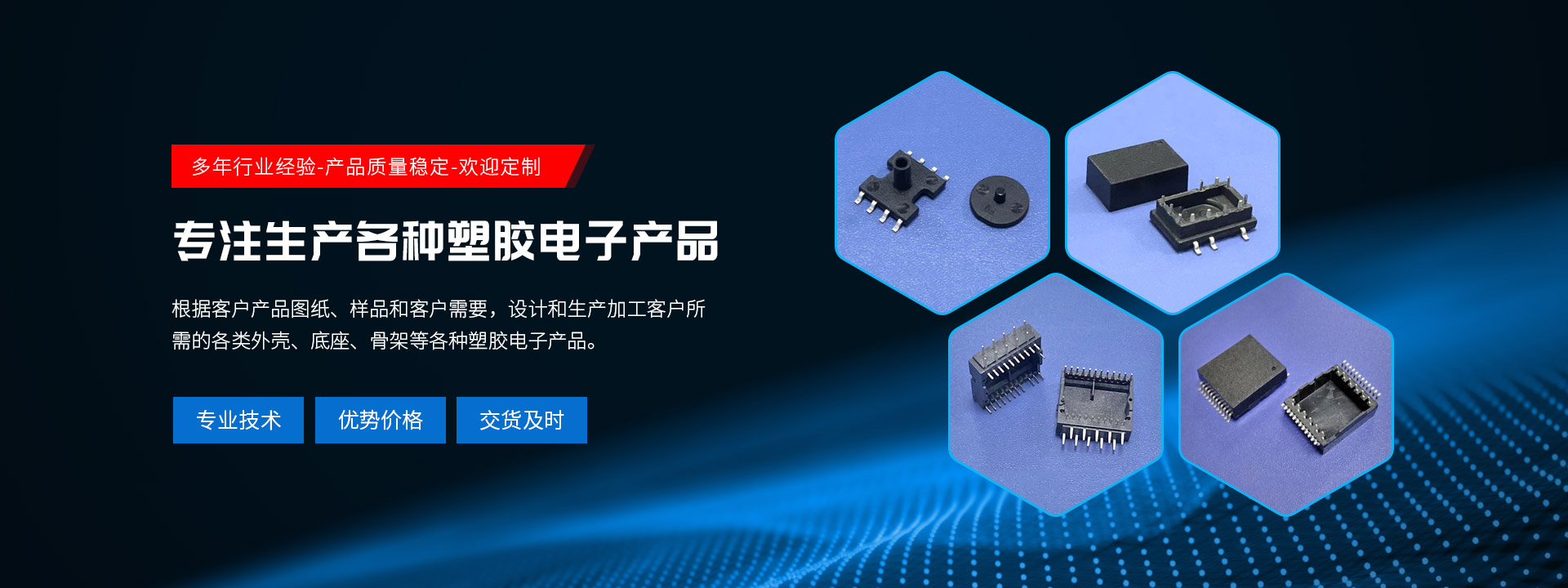
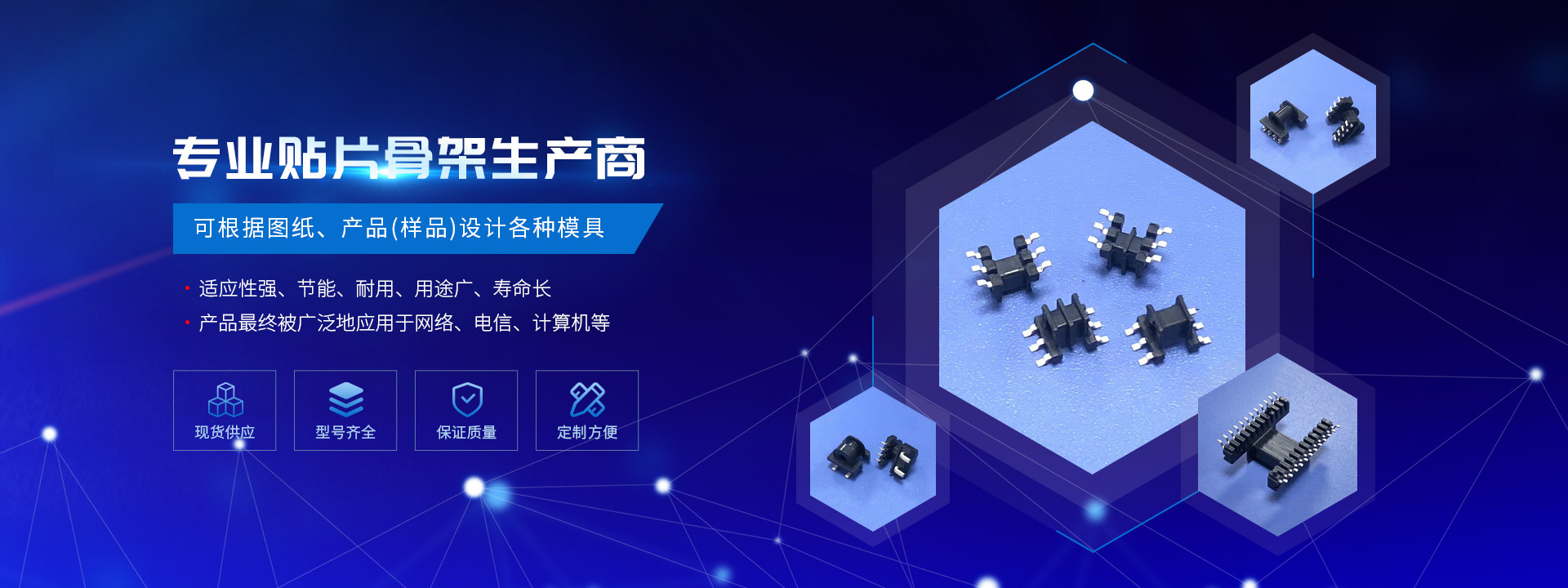
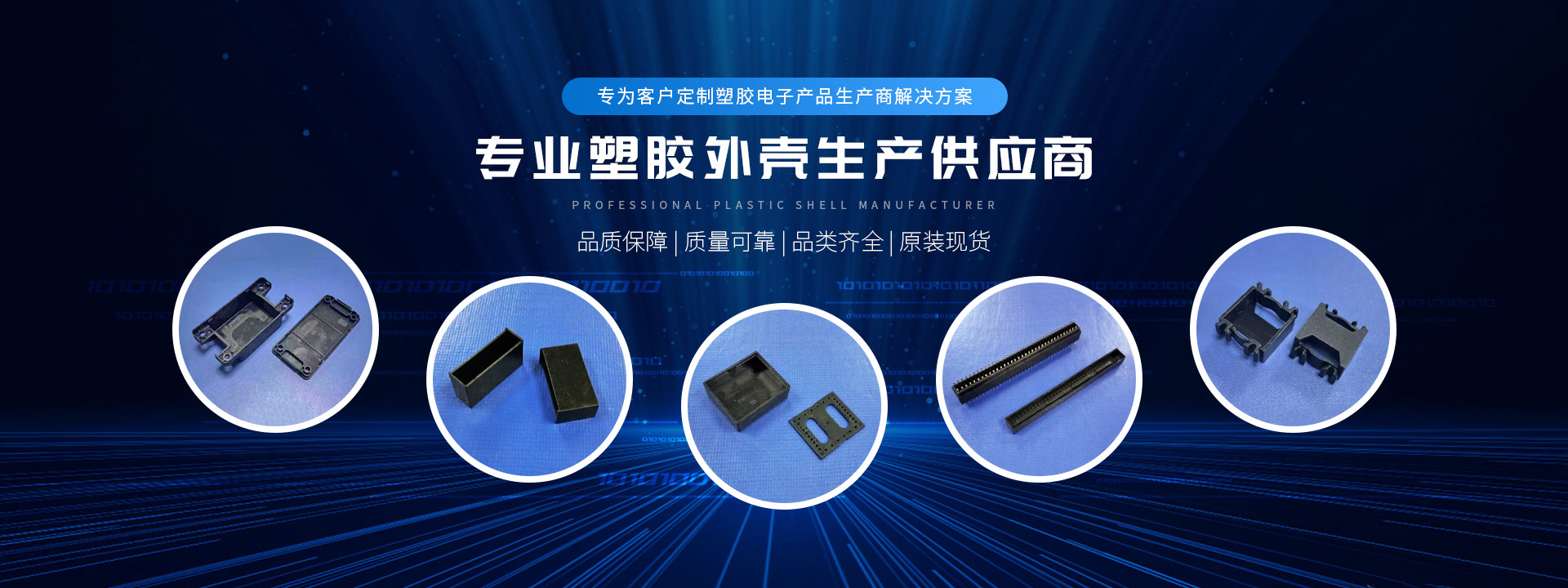

There are many types of transformer frames, and the characteristics of different types are not the same for transformer accessories.
They can be categorized from many aspects.
I. Categorized by cooling methods:
Dry-Type Transformer Frame: Cooled by air convection, commonly used for local lighting, electronic circuits, and other small capacity transformer frames.
(2) Oil-Immersed Transformer Frame: Relying on oil as the cooling medium, such as oil-immersed natural cooling, oil-immersed air cooling, oil-immersed water cooling, and forced oil circulation, etc.
II. Categorized by core shape:
(1) Core Transformer Frame: Used for high-voltage power transformers.
(2) Amorphous Alloy Transformer Frame: The amorphous alloy core transformer utilizes a new magnetic guiding material, reducing no-load current by approximately 80%. It is currently the most energy-efficient distribution transformer available, particularly suitable for rural power grids and developing regions with lower load rates.
Shell-type Transformer Frame: Used for special transformers handling high currents, such as electric furnace transformers and arc welding transformers; or for the frames of power transformers used in electronic instruments, televisions, radios, and similar devices. Division by Application:
(1) Power Transformer Frame: Used for stepping up or stepping down voltage in transmission and distribution systems.
(2) Instrument Transformer Frames: Such as voltage transformers, current transformers, used for measuring instruments and relay protection devices.
(3) Test Transformer Frame: Capable of generating high voltage for high-voltage testing of electrical equipment.
Special Transformer Frames: Including electric furnace transformers, rectifier transformers, and voltage regulator transformers, etc.
Four: By number of phases:
Single-phase Transformer Frame: Used for single-phase loads and three-phase transformer banks.
(2) Three-phase Transformer Frame: Used for voltage stepping up or stepping down in three-phase systems.
Section 5: By winding configuration:
(1) Double-wound transformer frame: Used to connect two voltage levels within an electrical system.
(2) Three-winding transformer frame: Generally used in regional substation of power system, connecting three voltage levels.
(3) Autotransformer frame: Used for connecting power systems of different voltages. It can also serve as the frame for a standard step-up or step-down transformer.
