

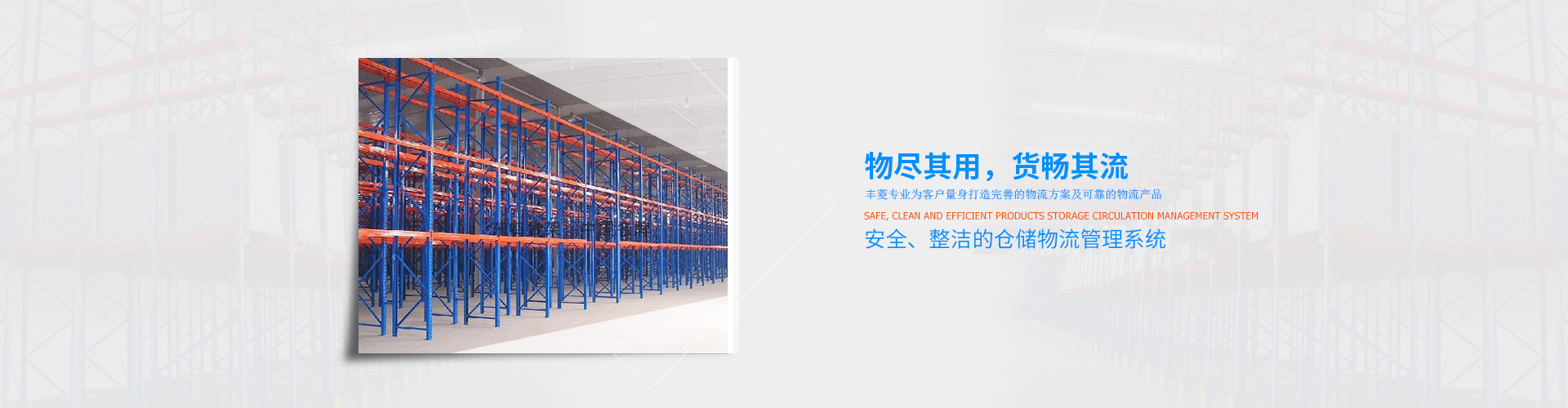
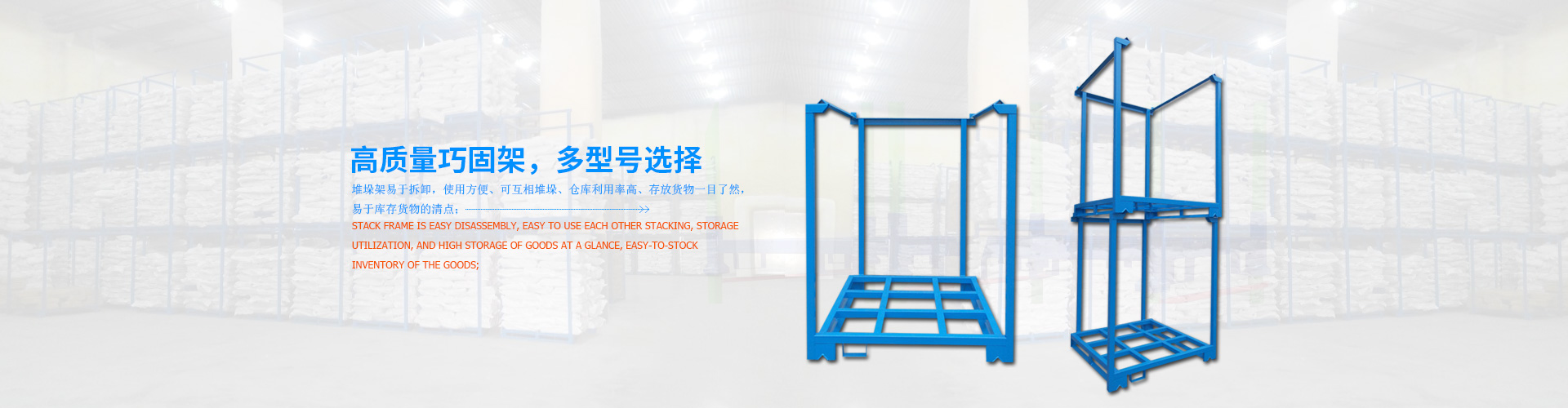



A stacking rack is a common warehousing equipment, primarily used for storing and handling items. It features the following characteristics:
Simple and Stable Structure: Pallet racks are typically made of steel or aluminum alloy, offering sufficient load-bearing capacity and stability to meet the storage needs of various items.
2. Easy Storage and Access: Pallet racks are typically designed with multiple levels, allowing for rational allocation based on the size and weight of items, thereby enhancing the utilization of storage space. Additionally, the height and spacing of the levels on the racks can be adjusted for convenient storage and handling of items.
3. Versatile: Pallet racks can be customized to meet various storage requirements, including the addition of drawers, hooks, and mesh baskets for categorized storage of different types of items. Moreover, they can be specially designed for specific locations and environments, such as moisture-proof, dust-proof, and rust-proof treatments, to fulfill storage needs in special conditions.
4. Easy to Clean and Maintain: The stack racks feature a modular design for easy disassembly and assembly, making cleaning and maintenance a breeze. Additionally, the stack racks can be customized or upgraded as needed to enhance storage efficiency and space utilization.
Pallet racks are widely used in storage, logistics, and distribution sectors. In the e-commerce logistics field, they are utilized for storing and transporting goods, enhancing storage efficiency and shortening logistics time; in the industrial manufacturing sector, they are used for storing and categorizing various components and semi-finished products, facilitating the management and control of production processes.
In summary, as a crucial warehousing equipment, stack racks hold vast application prospects. With the continuous development of the logistics and warehousing industry, the technology and performance of stack racks are also continually upgrading and refining, providing robust support for the advancement of modern logistics.
