

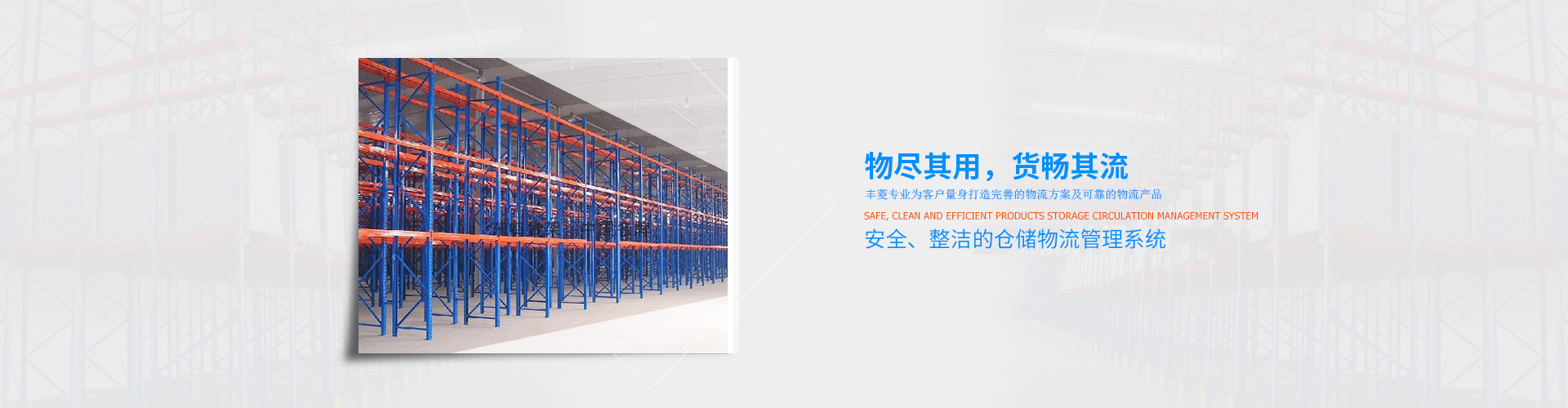
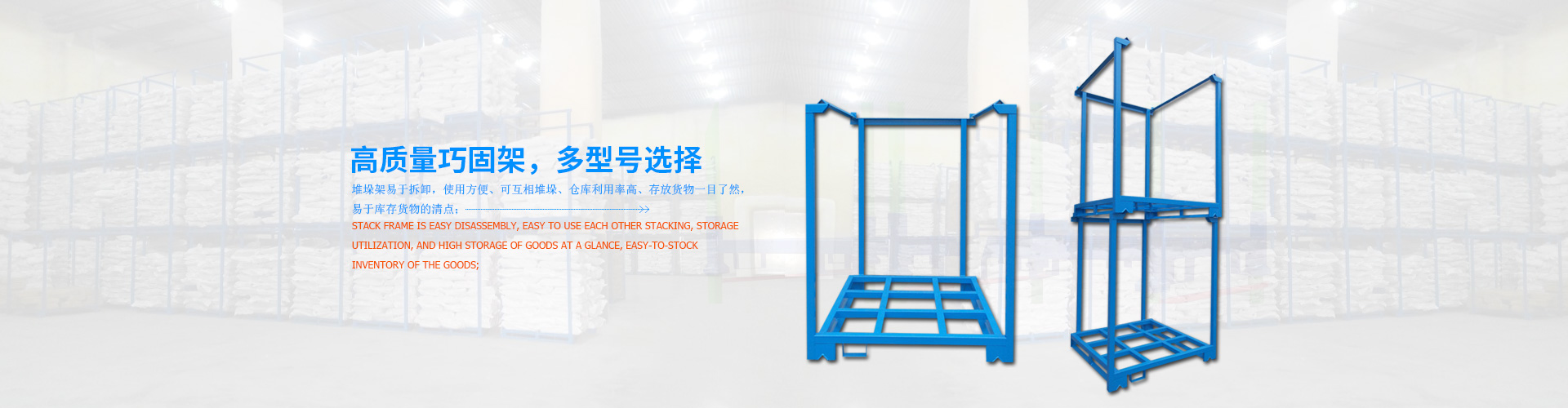



More and more large enterprises are starting to touch and utilize storage cages for warehouse management. To ensure that storage cages play an increasingly significant role in warehouses, how should we standardize warehouse management systems and properly use storage cages? How can we fully leverage the potential of storage cages by correctly applying overall warehouse knowledge?
1. Consolidation shipping is an economic benefit in warehousing. With this arrangement, the consolidation warehouse receives materials sent from a variety of manufacturing factories to a specific destination, then consolidates them into a single shipment.
2. The company accepts combined orders from manufacturers and ships them to individual customers. Classification warehouses or stations sort or break down the combined orders into individual orders and arrange for local delivery departments to handle the dispatch. Due to the large volume shipments transported over long distances, the shipping costs are relatively low, and tracking is not too challenging.
3. Processing/delayed warehouses can also handle processing tasks or participate in limited manufacturing activities, used for delaying or extending production. Warehouses with packaging or labeling capabilities can delay a product's production phase until the demand for the product is known.
4. The direct economic benefits of storage warehousing services are tied to the fact that storage is critical for the selected transactions. Storage provides inventory buffers, enabling production activities to increase efficiency under constraints of material sourcing and customer demand.
