



The significant software product standard for the mold industry, "Mold Full Lifecycle Management Solution," was first released by Guangdong Fangtian Software Technology Co., Ltd. at MoldMaster on April 8, 2020.
The introduction of this standard signifies the adoption of a scientific and standardized system evaluation method for the procurement of software in the mold industry's information projects. It aids in regulating the industry market and promoting software companies to enhance production efficiency, thereby improving the quality of growth in the mold industry.
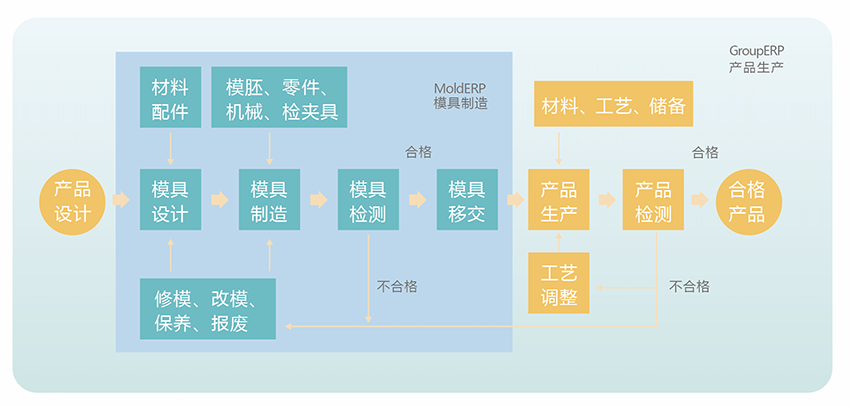
The standard outlines a comprehensive checklist of functionalities for mold management system software, covering the entire process from mold design, mold application, mold manufacturing, trial mold acceptance, mold usage, maintenance, to mold disposal.
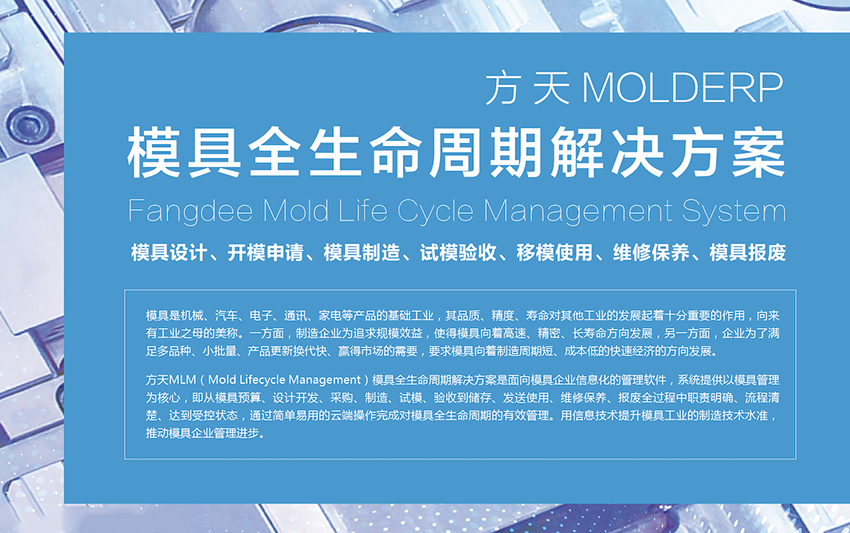
Molds are the foundation of industries such as machinery, automotive, electronics, telecommunications, and home appliances, playing a crucial role in the development of other industries due to their quality, precision, and lifespan—they are often hailed as the "Mother of Industries." On one hand, manufacturing enterprises pursue scale benefits, driving molds towards high-speed, precision, and long-life directions. On the other hand, to meet the needs of a variety of products, small batch production, rapid product upgrades, and winning the market, enterprises require molds to develop towards short manufacturing cycles and low costs, emphasizing a rapid and cost-effective approach.
The Fantian MLM (Mold Lifecycle Management) comprehensive solution is an information management software for mold enterprises, focusing on mold management. The system provides clear responsibilities, well-defined processes, and controlled status throughout the entire process of mold budgeting, design and development, procurement, manufacturing, trial runs, inspection, storage, dispatch, use, maintenance, and scrapping. It effectively manages the full lifecycle of molds through simple and user-friendly cloud operations. It enhances the manufacturing standards of the mold industry with information technology and promotes the management advancement of mold enterprises.
How to tackle these management issues?
Where can the mold be found during the production process?
2. Found the mold in half a day, but couldn't locate the resume related to it?
3. Did you discover quality issues affecting production schedules only after installing the mold on the machine?
4. Are molds required to be repaired, maintained, or have parts replaced before production can continue?
5. Did you only realize you needed an additional set of molds after the mold production and before scrapping it?
How to Monitor and Control the Production Progress of Molds in Real-Time?
7. Difficulty in tallying trial and repair mold costs due to repeated mold trials and maintenance?
......
01. Mold Management
Three Methods of Molding:
1. Self-made Molds: Our factory produces molds in-house, which are then transferred to the product production department upon completion. Generally, the mold department and the product production department operate independently in terms of accounting.
2. Outsourced Molding: Our factory submits a mold-making application, providing finished part drawings and relevant data to the mold supplier for mold production. Upon completion, the molds must be returned to our factory or a third-party subcontractor for product manufacturing.
3. Outsourced Molding: Suppliers are responsible for mold making and production, supplying products to our factory using their own molds. Typically, the mold cost is separated from the product invoice, although some methods include part or all of the mold cost in the product invoice.
01-1. Mold Project Budget
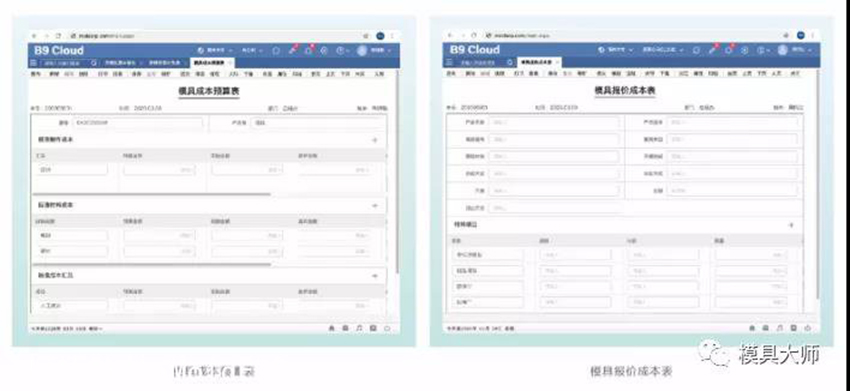
Prior to mold production, a mold specification document must be prepared, including project information, finished product information, mold information, and molding information. For instance, project information includes the finished product yield; finished product information requires the specified material used; mold information includes the guaranteed mold cycles (mold life) and the number of cavities; and molding information includes the tonnage of the molding machine.
With the mold specification, mold cost budgeting can be conducted, which includes design costs, material costs, processing costs, trial mold costs, and marketing costs, among others. It is categorized into new mold budget, copy mold budget, and product maintenance budget. It also ensures timely control of design changes, material costs, labor costs, and other expenses during the mold opening process, allowing management to clearly understand where the mold costs are allocated, where excessive costs are incurred, and identify discrepancies between the initial mold budget stage and the actual expenses, as well as determining whether the mold is profitable.
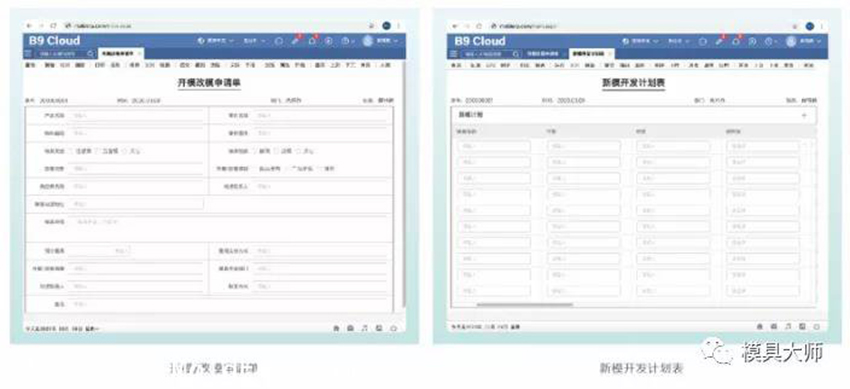
01-2. Mold Opening and Mold Modification Applications
1. The Engineering Department submitted a sample part requisition form, with the Procurement Department tasked to complete it within the specified deadline (the form clearly outlines the requirements and time frame).
2. If the purchasing department is unable to find the parts in the market within the specified time frame, they should fill out the result of the unavailability on the sample requirement form and suggest starting a new mold. After completing the form, submit it to the engineering department.
3. Upon receiving this order, the Engineering Department will fill out the mold application form based on the results of this order.
4. The Engineering Department must attach the sample part requisition form and part drawings to the mold application form, and submit it for superior review and approval.
5. Following the approval of the mold application, the engineering department provides the necessary documentation for mold production to the procurement department. Procurement then issues orders to suppliers or initiates mold production within the factory.
6. For increased production or due to capacity issues requiring additional molds, the demand department shall fill out a duplicate mold application form.
01-3. Mold Manufacturing Progress Management
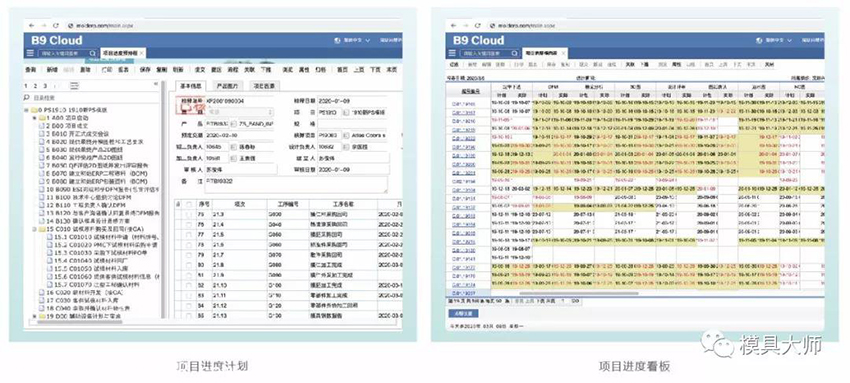
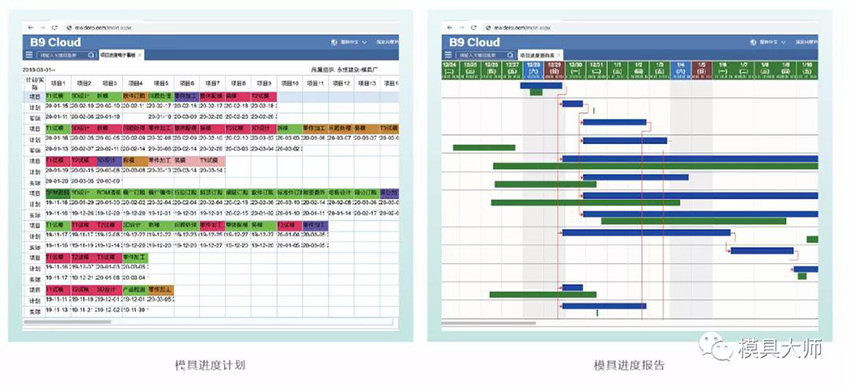
In compliance with key milestones in mold manufacturing, files must be uploaded with fixed names, their respective nodes, and corresponding project assignments (such as quality documents, design drawings, etc.), along with deadlines for file uploads and responsible personnel. It features project scheduling capabilities (setting start and end times for a stage's node, responsible individuals, required documents, etc.) and can monitor progress at each stage (whether completed on time or ahead of schedule). Corresponding templates are established for different product projects, and these templates can be edited and modified as needed.
New or modified mold orders are processed through our in-house mold workshop or outsourced mold manufacturers.
2. Molding schedule, T0 date, and delivery date are added to the mold project progress tracking table (Gantt chart).
3. Keep the mold production progress updated on the project task platform, and compare the planned versus actual progress (percentage).
4. Alerts for progress delays, including production schedule delays and模具厂 not maintaining timely maintenance, automatically notify the corresponding purchasing engineers and mold factories.
5. Cloud-based electronic dashboard for real-time tracking of mold progress.
01-4. Mold Design and Modifications
1. We implement a procedural management for the entire process of new mold design and validation to ensure that the molds we design meet our customers' requirements.
2. Issued the schedule for mold design tasks, handling and following up on technical issues related to mold design.
3. Design documentation output, drawing design release applications, mold design progress, and control and assessment of design quality during the mold production process.
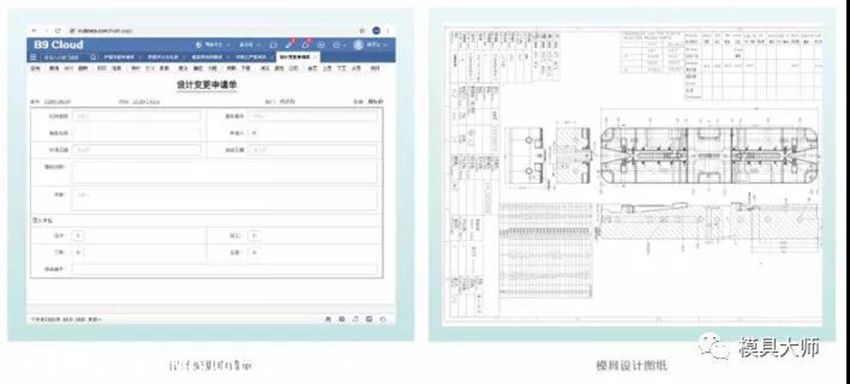
4. In response to customer proposals or internal requirements for mold modification, we conduct design changes and make corresponding changes to the technical drawings. The system will automatically notify the relevant personnel to promptly handle the design change information.
5. During mold design and manufacturing, we fully consider the mold's service life and reasonably enhance its lifespan.
All mold assembly drawings and part drawings (including 2D and 3D) are centrally stored securely, with unified access control and version changes recorded.
01-5. Molding Notification & Molding Report
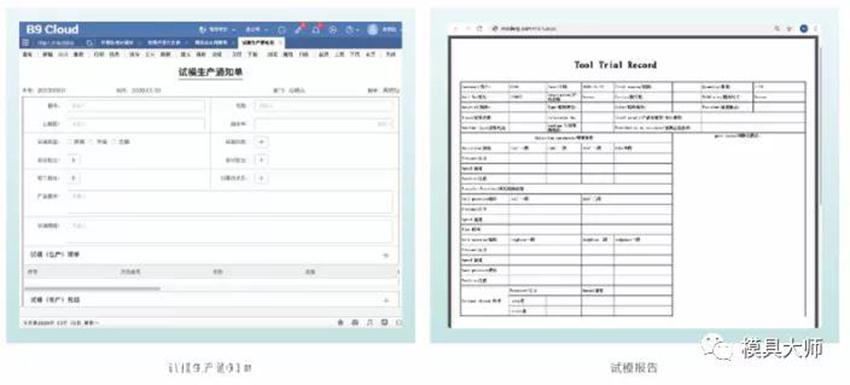
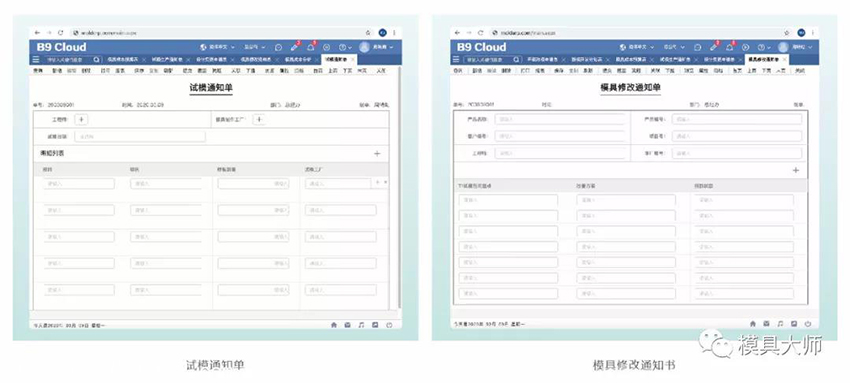
Engineering Department issues a trial mold notification, specifying the trial mold materials, mold dimensions, quantity of trial molds, material weight in kg, and any special requirements.
2. The production department has arranged for trial molding and trial production (in small batches) to verify the mold production performance, adhering to the requirements of normal production.
3. The warehouse distributes materials based on the approved trial mold order. In case of additional materials needed, the production department must submit a material replenishment application, specifying the reason. The warehouse will then issue the materials upon approval.
Upon completion of the trial mold, the Production Department will fill out a trial mold report, detailing any issues and feedback encountered during the trial mold process, and follow up on the improvement of the identified issues.
5. The finance department analyzes costs at various trial mold stages such as T1, T2, T3, and focuses on strict monitoring after T3.
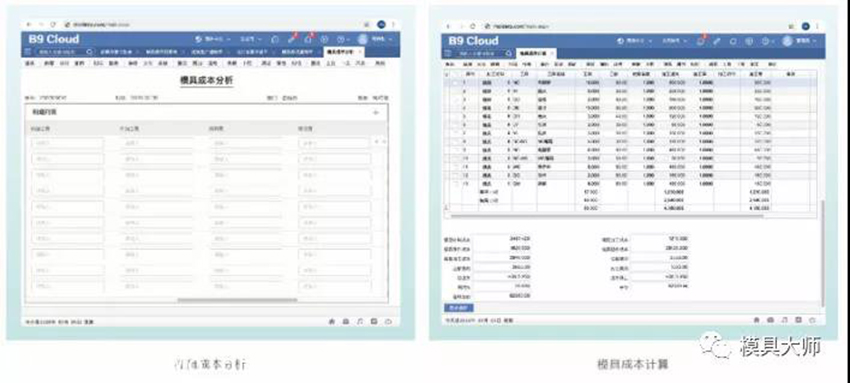
01-6. Mold Cost Analysis
1. Seamlessly integrated with the Fangtian ERP financial module, automatically transfers all vouchers generated from the logistics process, showcasing the company's financial flow management and control capabilities.
2. Automatically calculates product costs, supports summarizing mold costs by project or order, and analyzes the differences between the actual and standard costs of various cost objects.
3. It can dynamically and accurately calculate the material costs, labor costs, manufacturing costs, outsourcing costs, trial mold costs, and abnormal costs during the mold-making process.
4. Multi-angle cost analysis feature, distinguishing between new mold and repair mold costs, normal and abnormal costs, and setup change costs, etc.
5. Automates the generation of cost vouchers for activities such as mold procurement, acceptance, and scrapping, automatically calculates asset depreciation, and creates an inventory of assets.
6. Achieve the management goal of模具 assets being in alignment with accounts, actuals, and cards, ensuring close integration between financial management and property management, strictly controlling assets, and preventing asset losses.
7. Strengthen the modern enterprise management operation mechanism centered around financial management, emphasizing the comprehensive control and management of the pre-event, event, and post-event processes. Ensure that financial management is integrated throughout the entire lifecycle of the mold.
02. Mold Sourcing Relationship Management
Establish an effective mold application operation system, controlling the application, procurement, and acceptance processes of molds, ensuring that mold structures and materials meet specified requirements, enhance supplier quality, supplier qualification, performance, credibility, scoring, pricing, and progress are all managed in real-time. Support supplier self-service login to facilitate seamless integration between suppliers and the company.
02-1. Mold Procurement Inventory and Payment Management
The Purchasing Department is responsible for mold quotation, procurement, and progress tracking; and notes the procurement price, maintenance costs, delivery deadlines, payment methods, and supplier guarantees on the purchase order for the number of mold production runs.
2. Molding quality inspection requires checking the appearance and dimensions of the mold to determine its qualification. If it passes, it moves to the inventory receiving process; if not, it is returned.
3. The warehouse is responsible for the receiving, dispatching, and handling of purchased molds. The production department, in collaboration with technical staff, is involved in the trial fitting, acceptance, and routine maintenance of purchased molds.
4. The Finance Department is responsible for pricing purchased molds and for making payments to mold suppliers in accordance with the terms of the procurement contract.

02-2. Mold Project Progress Report
Mold suppliers regularly maintain the progress of mold manufacturing on the project task platform by taking photos and uploading them.
2. Maintenance and upload of critical information related to mold production, including trial mold parameters and mold maintenance.
3. Molding supplier fails to maintain on time, leading to delayed production progress. Timely warnings issued with automatic APP reminders.
02-3. Molding supplier conducts trial molding
1. Standardized the trial mold process, which includes features such as trial mold application, recording of trial mold issues, and trial mold inspection reports.
2. Online opening of trial mold notification, confirming the trial mold schedule, and reporting on the progress of the mold trial.
3. Inspection and confirmation of trial mold samples, including product size measurement, performance testing, confirmation, mold assembly review, and design modification handling.
4. Sample trial NG; analyze the reasons for non-conformity. Require mold repair and return to the workshop to correct the NG parts until the sample trial is approved.
5. Record the molding parameters of molds on the machine, as well as issues and solutions identified during the trial molding process, along with trial molding reports, product inspection report data, and upload them.
02-4, Manufacturer Collaboration Platform
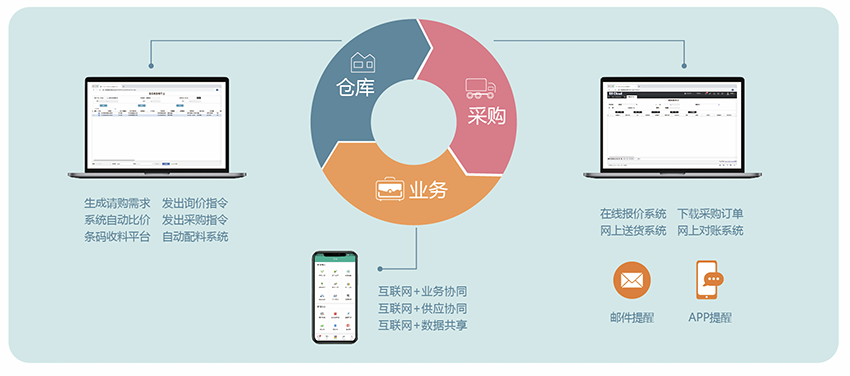
The company's success stems from its own efforts and also depends on the performance of suppliers. The Manufacturer Collaboration Platform primarily handles the procurement of molds from suppliers and real-time data exchanges with them, helping you manage the entire supplier lifecycle from activation to retirement, enhancing the compliance of the entire supplier group. It standardizes the company's procurement and payment processes, improves the timeliness and accuracy of payment work, strengthens internal management, and mitigates business risks.
Suppliers can log into the Fangtian Cloud system using their company account to perform online operations such as quoting, comparing, negotiating, approving, ordering, delivering, and reconciling accounts.
2. The manufacturer collaboration platform enables the sharing and transmission of business information among partners along the upstream and downstream of the supply chain, achieving the purpose of establishing a rapid response supply chain.
3. Leveraging an internet-based platform to transform traditional communication methods with suppliers, such as phone calls, emails, and in-person visits, we aim to minimize communication errors and enhance operational efficiency.
Mold Usage Management
Establish mold archives, calculate mold lifespan, and access mold history in real-time. Conduct full lifecycle management for mold procurement, accounting, labeling, daily use, inventory, and cleaning. The Mold MLM system is separately managed from the Fangtian ERP system, while also ensuring data linkage to maintain consistency in financial, card, and material records.
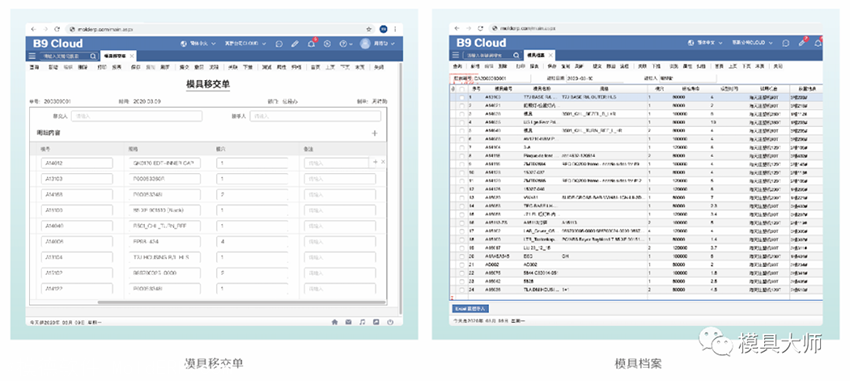
03-1 Mold Handover and Receipt
1. Mold suppliers or mold manufacturing workshops hand over the completed molds to our factory for trial fitting or production.
2. Standardize the relevant acceptance criteria, exception feedback, trial mold confirmation, routine maintenance, labeling, storage, and other operational procedures.
3. Obtain molds and relevant information, including mold drawings, development timeline, mold lifespan, mold history, and product quality requirements.
4. Mold label installation, generating asset serial numbers for quick scanning identification of molds, ensuring consistency between accounts, cards, and inventory.
5. The Mold Positioning System is launched, mastering the quantity and geographical distribution of molds.
Mold and product, machine matching relationship
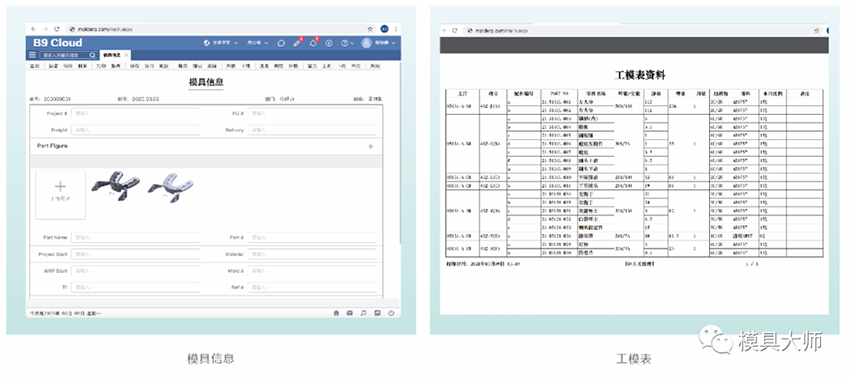
1. Basic Mold Information: Mold production and lifespan analysis, depreciation analysis, storage location, asset ownership, and entrusted supplier details.
2. Mold Component Information: Maintenance or replacement of mold components due for expiration.
3. Mold Machine Information: Record the corresponding molding machine and molding time for the mold.
4. Mold Product Information: Establish the mold information that may be required for product production orders, including mold cavity count, individual weight, gross weight, sprue weight, and other relevant details. Refer to the production Bill of Materials (BOM) for mold matching information (mold schedule).
Mold履历Management
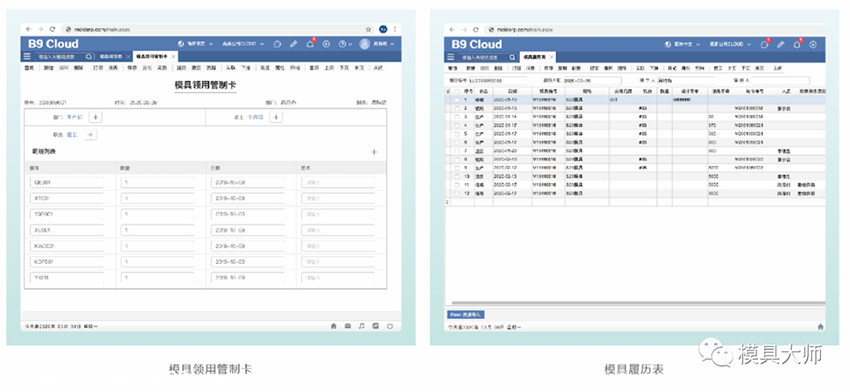
The system supports barcode scanning for mold label, enabling direct management of mold usage, including procurement, production, return, maintenance, repair, and scrapping processes. It can also form an electronic bulletin board displaying real-time status of molds based on their usage.
1. Mold Usage: The production department applies for the use of molds according to the production plan for product processing, and maintains or requests repairs for the molds based on their usage and relevant standards. The production department records the number of times the molds are used and fills out the "Mold Usage Record Form." After production is completed, the department carries out maintenance on the molds and requests return after relevant technical personnel from the department inspect and approve.
2. Mold Maintenance: Once the mold reaches its cycle production, lock the mold to prevent further production and remind the department using the mold to perform maintenance by filling out the "Mold Regular Maintenance Form."
3. Mold Repair: When mold products in the production workshop do not meet the quality standards, a "Mold Repair Notice" form must be filled out. The mold repair will be handled by our in-house mold workshop or a collaborating vendor, confirming the parts to be repaired or replaced. After completion of the repair, re-evaluate the mold's service life and re-introduce it into use.
4. Mold Scrap: The Technical Department fills out the "Mold Scrap Application Form" based on usage and maintenance records to apply for mold scrapping. After the supervisor's approval, the warehouse handles the mold scrapping procedures, updates the mold inventory records, and submits them to the Finance Department for verification and accounting.
Mold Life Cycle Management
1. Define the standard lifespan of molds and components.
2. The mold has reached the specified number of cycles, exceeded its service life, and the system automatically notifies the technical staff to evaluate the mold.
3. Re-evaluate the lifespan of usable molds or molds that have been repaired and continue to use them. Dispose of molds that are no longer usable.
4. The system accurately records paired mold information due to the replacement of cores (inserts) for producing different products, reducing losses caused by frequent replacements and confusion.
5. Achieve reminder for copying mold and opening mold cycle.
6. Scrap/Idle/Risk Mold Alerts to Prevent Unqualified or Damaged Molds from Being Scheduled for Production

