
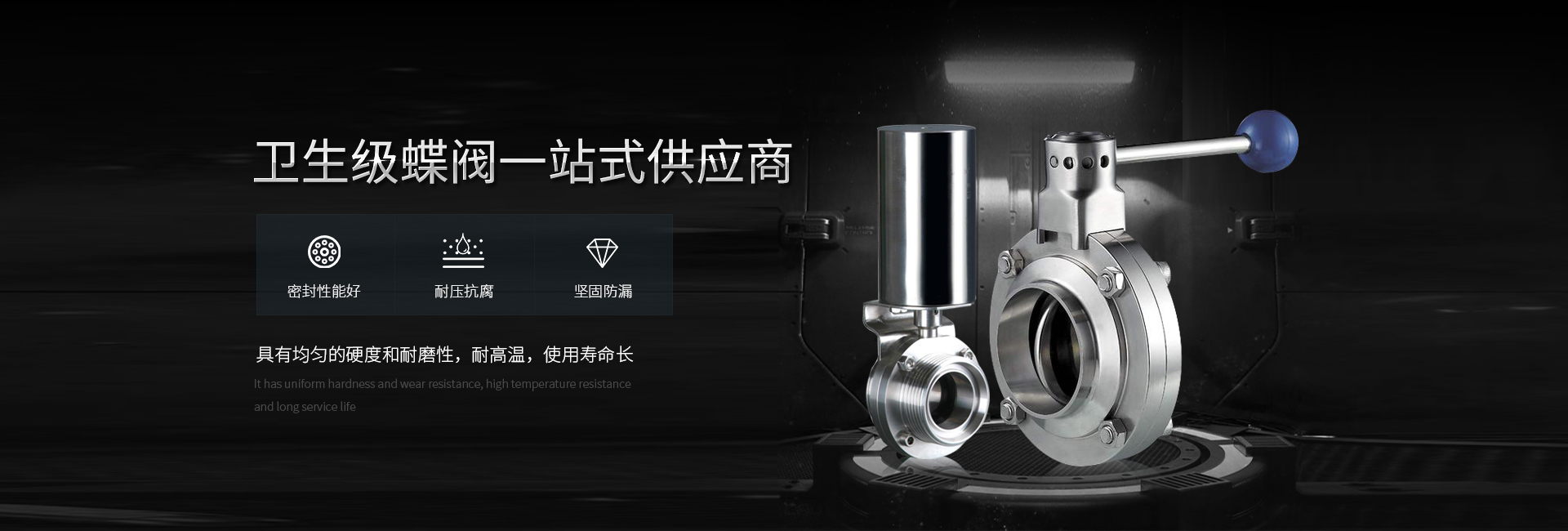
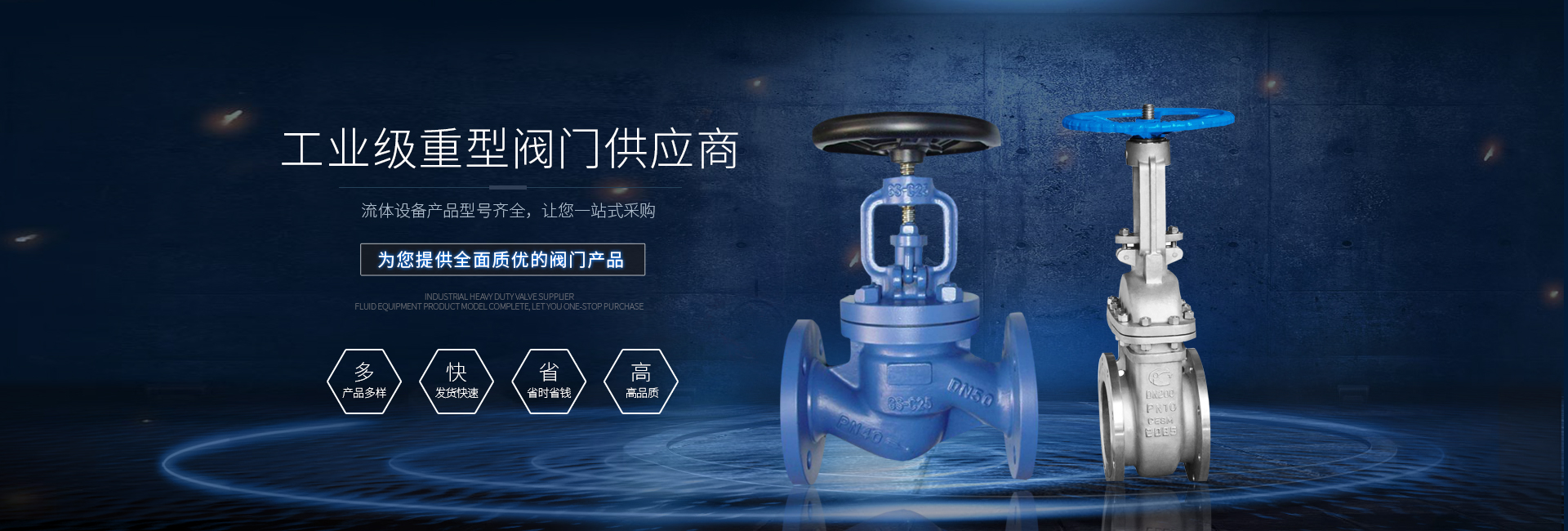
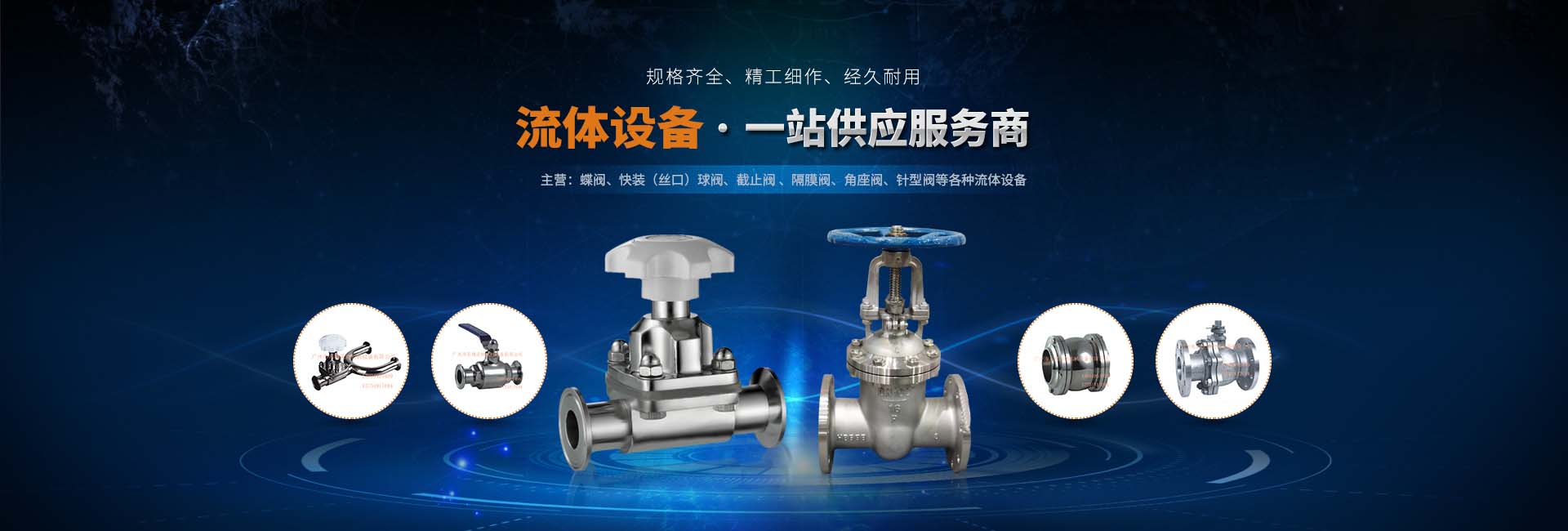

The specific requirements for the ball valve filling test at a hygienic grade are:
1. Sanitary ball valves for indoor drainage pipelines should be filled with water to a height of one floor, but the filling height should not exceed 8 meters; a leak-free interface is considered合格. For multi-story buildings, the filling should be done floor by floor. For a floor, the inspection port on the drainage pipe one level below can be opened, and a ball bladder can be used as a plug for testing. For concealed or buried drainage pipelines, the filling test must be conducted before concealment, with the filling height not less than the ground level of the lowest floor. The filling height of the rainwater pipelines must reach the rain gutters at the top of each vertical pipe. After filling with water for 15 minutes, continue to fill for an additional 5 minutes; if the water level does not drop, it is considered合格.
2. The tightness of outdoor production-grade ball valves for drainage pipelines should be pre-inspected after being filled with water for 241 hours. If there are no leakage phenomena in the pipeline system, the pre-inspection is considered to be passed; for non-metallic sewage pipelines, a leakage test should also be conducted. If there are no specific design requirements, the following regulations should be met to be deemed as a passed test.
In moist soil, inspect the amount of groundwater seeping into the pipe, which is determined by the groundwater level. If the groundwater level exceeds the top of the pipe by 2 to 4 meters, the amount of water seeping into the pipe should not exceed the specifications in Table 6-3. If the groundwater level exceeds the pipe top by more than 4 meters, for every additional 1 meter of water head, an increase of 1 unit of seepage water is permitted.
In dry soil, inspect the pipeline's water leakage rate, with the irrigation height exceeding the top of the pipe in the upstream inspection well by 4 meters. The amount of leakage should not exceed the specifications listed in Table 6-3.
In moist soil, where the groundwater level does not exceed 2 meters above the pipe top, the渗出水量试验may be conducted as specified in Clause ②.
④ The water permeation scene test should not be less than 30 minutes.
Pipelines discharging corrosive wastewater must not leak.
⑥ Rain ice and pipelines with similar properties do not require seepage water volume tests, except in areas of loess with desiccation sinkage and water sources.
