
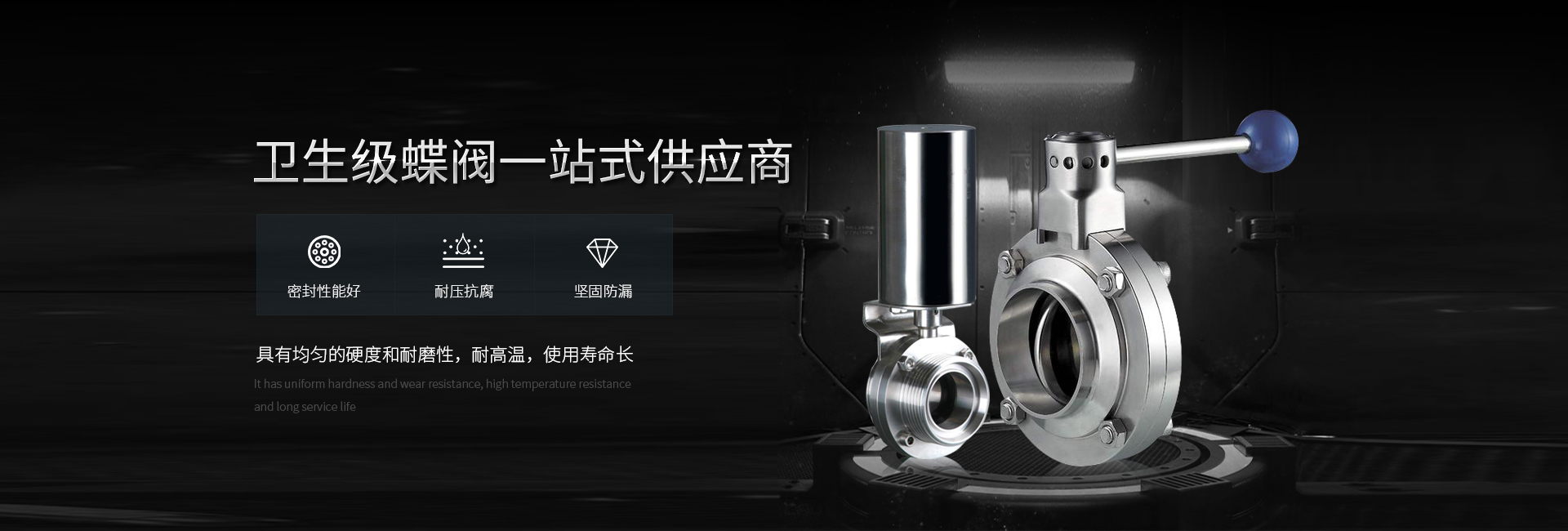

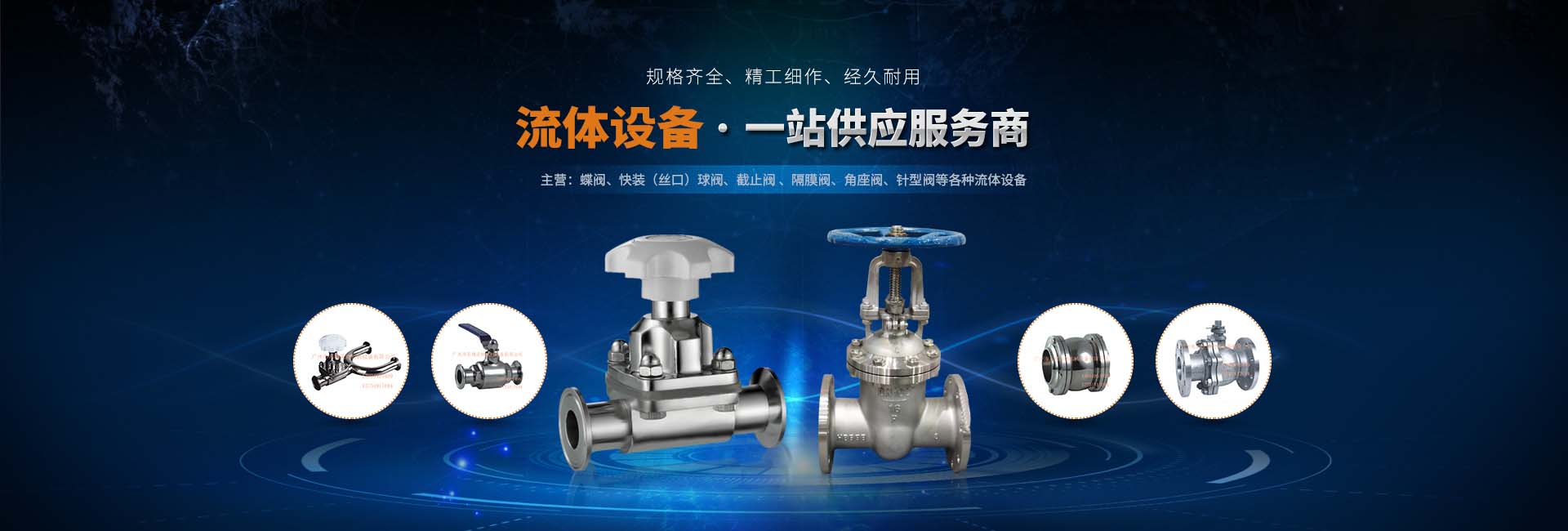

Sanitary fittings are components used to connect pipes into pipe systems, which can be categorized into welding, clamp, and threaded connections. Sanitary grade fittings refer to the pipes used in food and other industries where high levels of hygiene are required.
Sanitary fitting processing methods:
1. Blanking Method: Expand the tube end to the required size and shape using a conical mandrel on a press.
2. Rolling Method: Generally does not require mandrel, suitable for the inner circular edge of thick-walled pipes.
3. Body pressure is used to shape the pipe into the desired form, and this method is predominantly employed in the production of bellows.
4. Roller Method: Place mandrel inside the tube, and compress the outer circumference with rollers for round edge processing.
5. Bending Techniques: There are three commonly used methods. One is the stretching method, another is the stamping method, and the third is the roller method, which features 3-4 rollers, including two fixed rollers and one adjustable roller. By adjusting the distance between the fixed rollers, the finished pipe components are bent.
6. Forging Method: Utilizing a forging machine to stretch the ends or a portion of stainless steel pipe fittings, reducing the outer diameter. Common types of forging machines include rotary, linkage, and roller machines.
Maintaining Sanitary Fittings:
Sanitary pipe fittings, sanitary globe valves, sanitary check valves, and sanitary gate valves should only be used in full open or full closed positions; they are not intended for regulating flow to prevent erosion of the sealing surfaces and accelerated wear.
2. During installation, the hygienic pipe fittings can be directly mounted on the pipeline according to the connection method, and installed at the designated location.
3. Regularly maintain the cleanliness and dryness of sanitary pipe fittings, keep the storage area clean and tidy, and store them according to the correct methods. Sanitary pipe fittings stored for long periods should be inspected on a regular basis. Often, the exposed machined surfaces need to be kept clean, free of dirt, and stored neatly in a well-ventilated and dry indoor area. Absolutely no stacking or outdoor storage is permitted.
