
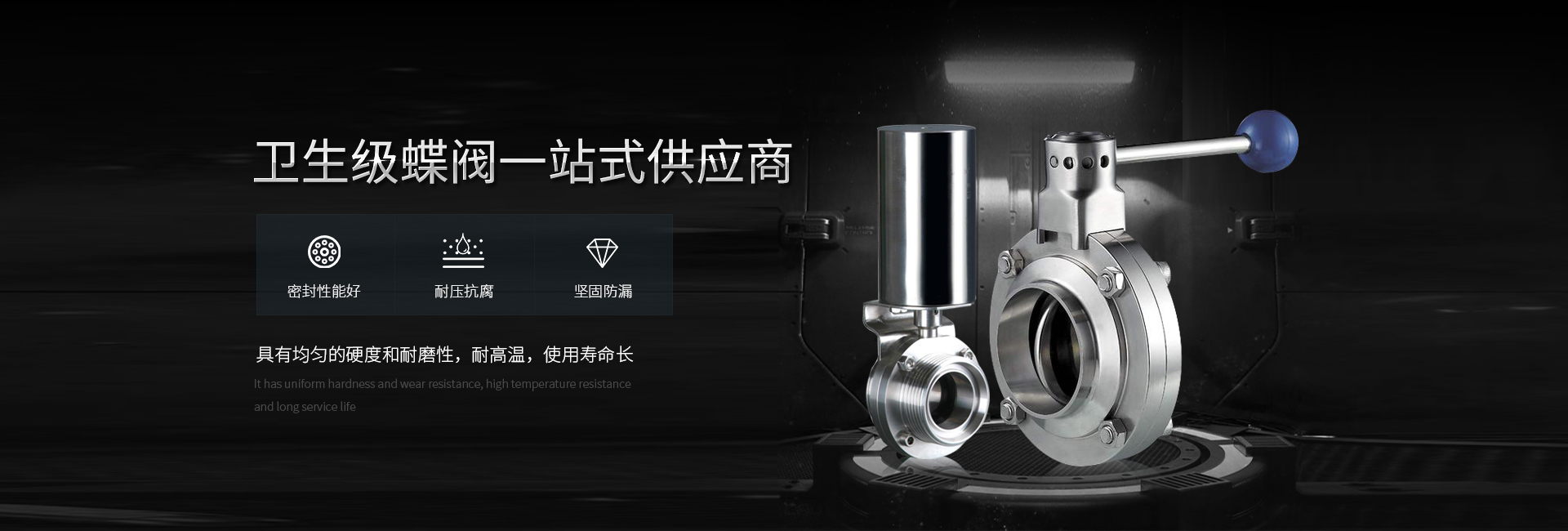
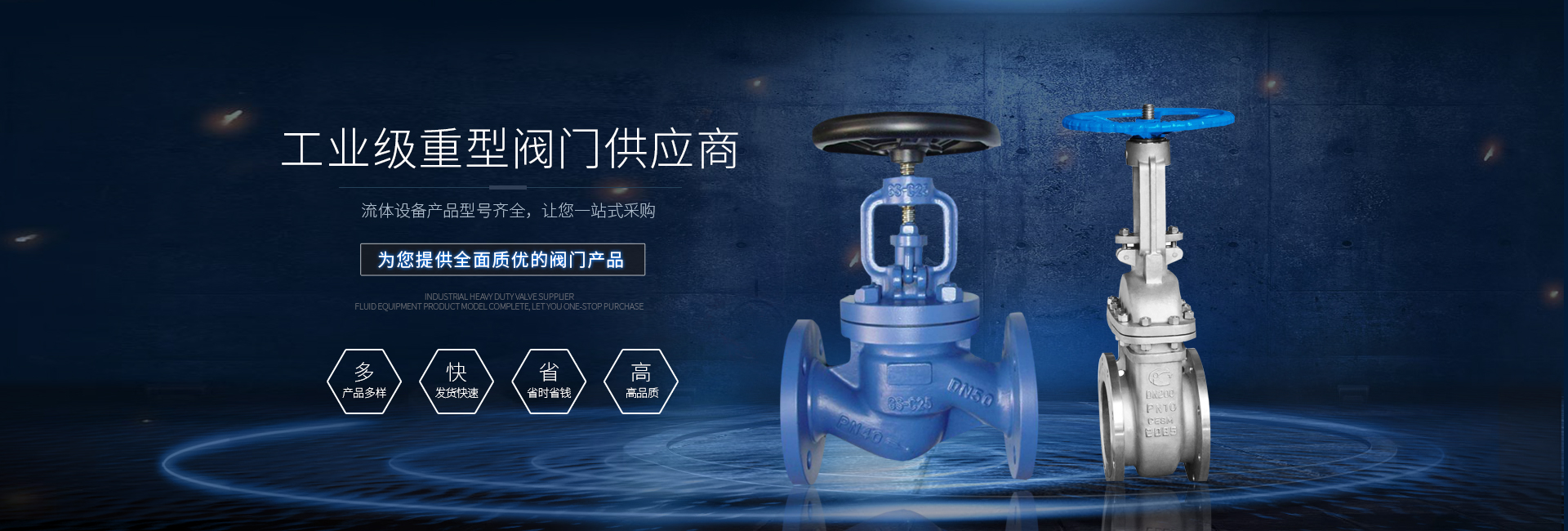
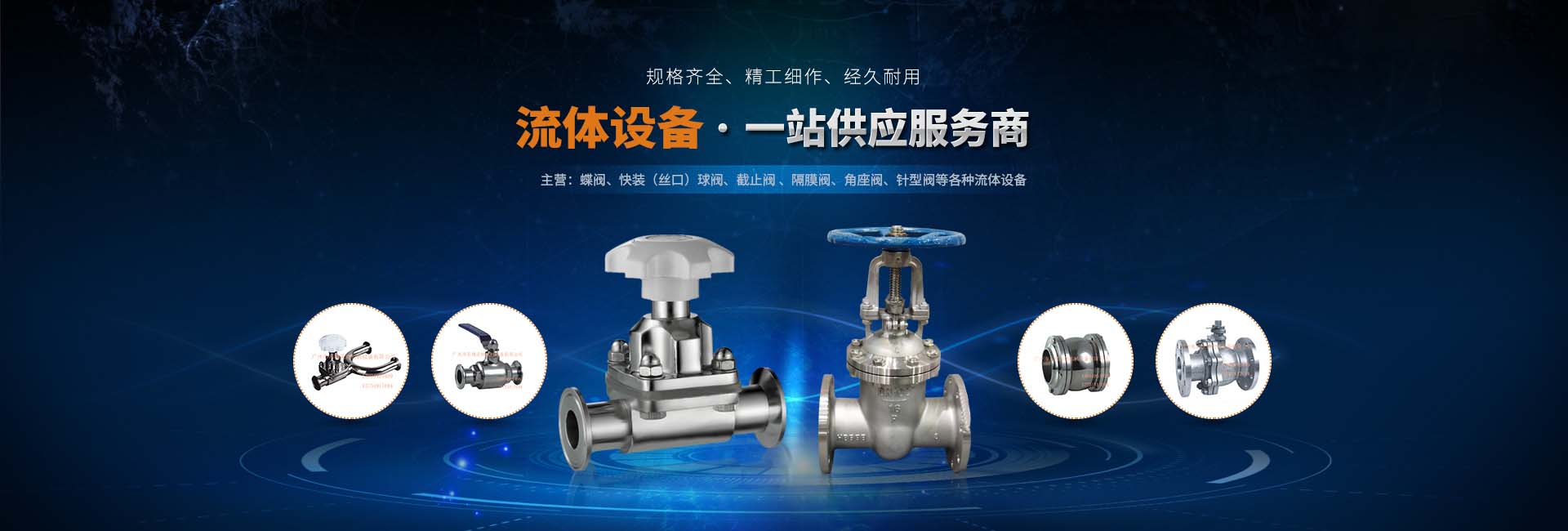

Sanitary ball valves are direct-acting ball valves that seal with a spherical surface, allowing them to be used in both vacuum and low-pressure conditions, and can be installed in any orientation. Sanitary ball valves are suitable for controlling the flow of media in pipelines within vacuum systems. Do you know the structural features and classifications of sanitary ball valves?
The structural features of the hygienic quick-install ball valve are as follows:
The fluid resistance is low, with a drag coefficient equal to that of a pipe section of the same length.
2. Simple structure, compact size, and light weight.
3. The ball valves are currently widely used with plastic sealing surfaces, offering excellent sealing properties, and have also been extensively applied in vacuum systems.
4. User-friendly and swift operation, from fully open to fully closed in just a 90° rotation, facilitating long-distance control.
5. When fully open or closed, the spherical surface and valve seat seal are isolated from the medium, ensuring no erosion of the valve sealing surface during medium passage.
6. Easy maintenance, with a simple ball valve structure, most sealing rings are movable, making disassembly and replacement quite convenient.
Sanitary ball valves are categorized as follows:
1. By connection method, they can be divided into threaded plug valves and flanged plug valves.
2. By sealing method, they can be divided into fixed-seated ball valves, stuffing box sanitary ball valves, self-sealing sanitary ball valves, oil-lubricated sanitary ball valves, soft-seated sanitary ball valves, and more.
3. Structurally, they can be categorized into column plug valves, cone plug valves, three-way sanitary ball valves, angle sanitary ball valves, high-temperature plug valves, and fireproof sanitary ball valves.
Sanitary ball valves are suitable for working media that contain acidic or alkaline substances, and are used in the dairy, beverage, biotechnology, food, drink, and chemical industries.
