
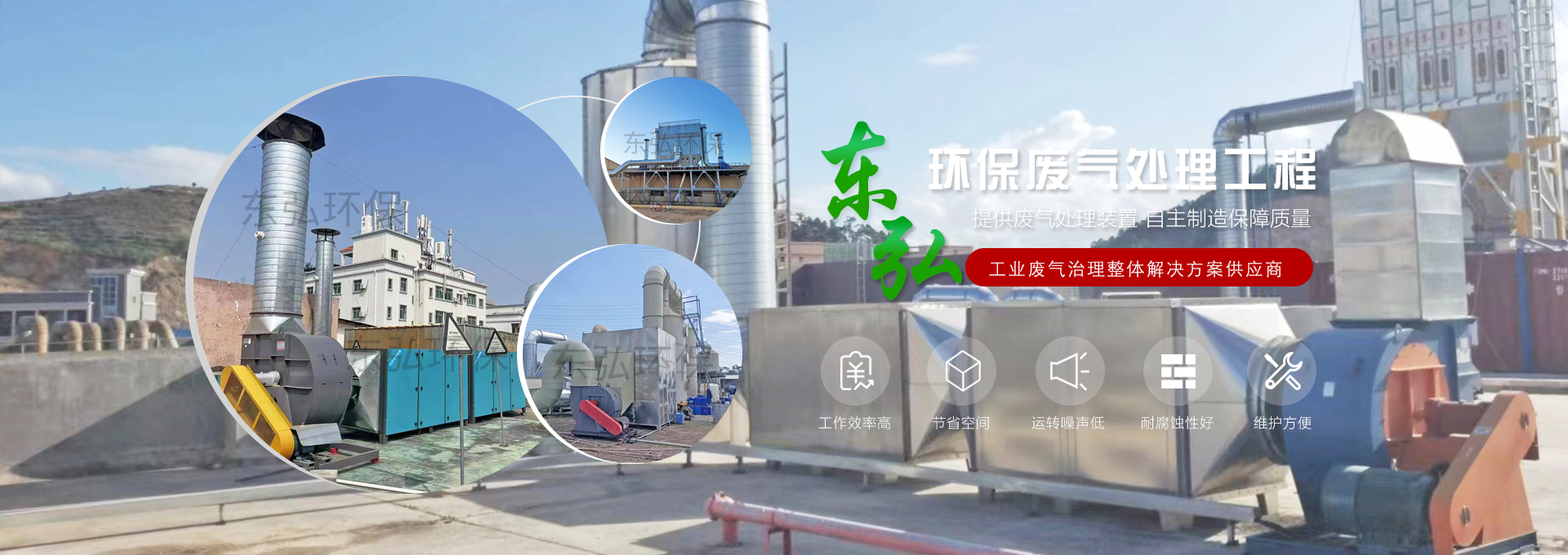

The waste gas treatment system is a pre-treatment process, which includes dust and moisture removal. Dust removal equipment, such as bag filters or electrostatic precipitators, can remove solid particles from the waste gases. Moisture removal equipment, such as condensers or adsorbents, can reduce the humidity in the waste gases.
Subsequently, the exhaust gases enter an activated carbon adsorption and desorption unit. The activated carbon adsorbent efficiently attracts organic pollutants from the exhaust. Once the activated carbon becomes saturated, it can be desorbed by heating or steam impact, transferring the adsorbed organic pollutants to the desorption gas stream.
Additionally, there are other treatment methods, such as high-temperature combustion, catalytic combustion, and photo-oxygen catalysis, etc.
High-temperature combustion involves burning organic components in waste gases under high temperatures, resulting in the production of carbon dioxide and water.
Catalytic combustion utilizes a catalyst to lower the temperature required for the combustion process, allowing waste gases to burn at room temperature, producing carbon dioxide and water.
The photo-catalytic method utilizes a special ultraviolet wavelength to break down exhaust molecules, disrupting their molecular chains. Simultaneously, it decomposes water and oxygen in the air, producing highly active ozone or free hydroxyl radicals. This process oxidizes the exhaust molecules, resulting in the formation of water and carbon dioxide.
Moreover, before recycling plastic into granules, some pretreatment measures such as cleaning and drying can be taken to reduce the content of pollutants in the waste gas.
