
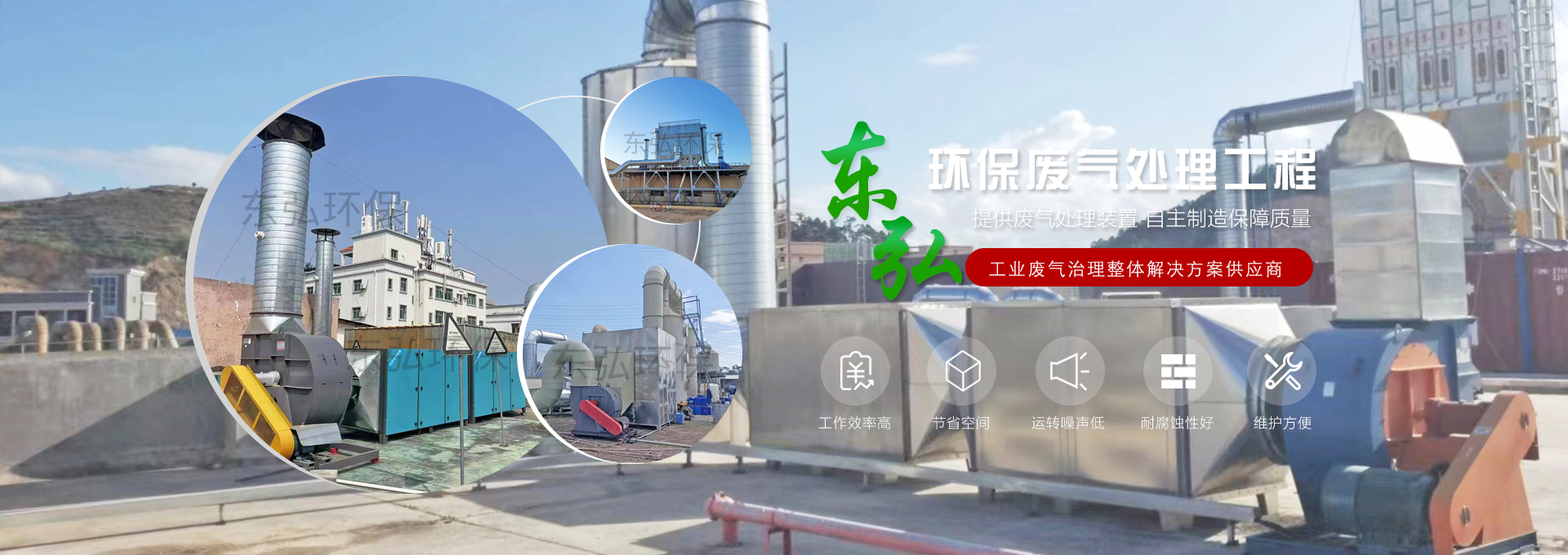
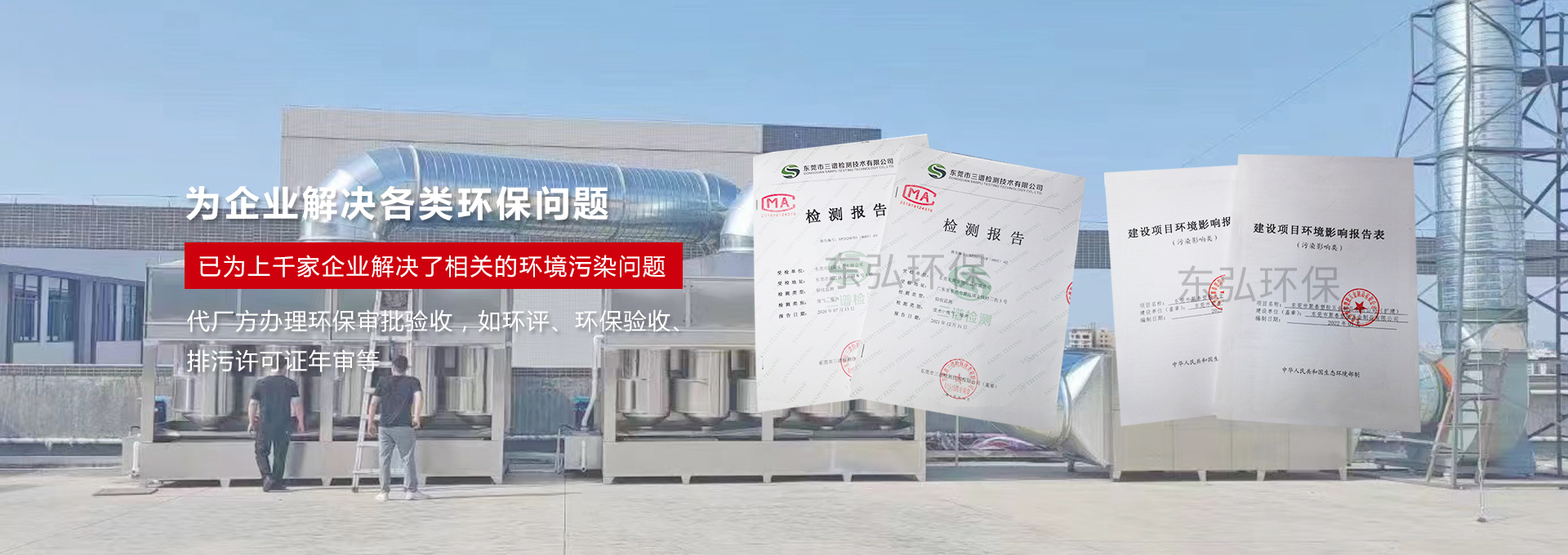

Industrial exhaust gas treatment equipment is primarily used to process industrial exhaust gases produced in factory workshops, ensuring they meet environmental protection standards for air purification systems.
The treatment primarily involves organic and inorganic waste gases (such as dust), utilizing various processes and technology combinations to purify a range of harmful gases.
The core principle involves capturing solid particulate pollutants in dust-laden flue gas using filtering media, while the surface effect of the filtering medium intercepts and deposits particulates in the gas flow onto the media, thereby achieving purification.
A wide variety of industrial waste gas treatment equipment is available, including but not limited to activated carbon adsorption machines, spray towers, sieve towers, flue gas recirculation systems, wet reactors, dry reactors, activated sludge process, catalyst method, photocatalytic method, electrolysis method, and capillary filtration method.
The treatment methods primarily include adsorption, activated carbon adsorption, chemical adsorption, biological denitrification and desulfurization, catalytic conversion, combustion, and wet decomposition.
Waste gas treatment equipment is widely used in various industrial sectors, including chemical, power, oil, steel, textile, and food industries.
Specific application scenarios include, but are not limited to, the treatment of acid mist gases and organic waste gases in the chemical industry, flue gases and nitrogen oxides in the power industry, sintering and blast furnace gases in the steel industry, dyeing and printing waste gases in the textile industry, and food processing waste gases in the food industry.
However, there are some drawbacks to industrial waste gas treatment equipment. For instance, the equipment may be relatively complex, requiring a high level of transportation, installation, maintenance, and management skills; it has certain requirements for dust resistivity, and not all dust can achieve high purification efficiency; the initial investment is significant, and the land area required may also be substantial; it is greatly affected by operational conditions such as gas temperature and humidity, resulting in significant differences in treatment effectiveness for the same type of dust under different conditions; in some enterprises' actual use, it may not meet the designed performance requirements.
