
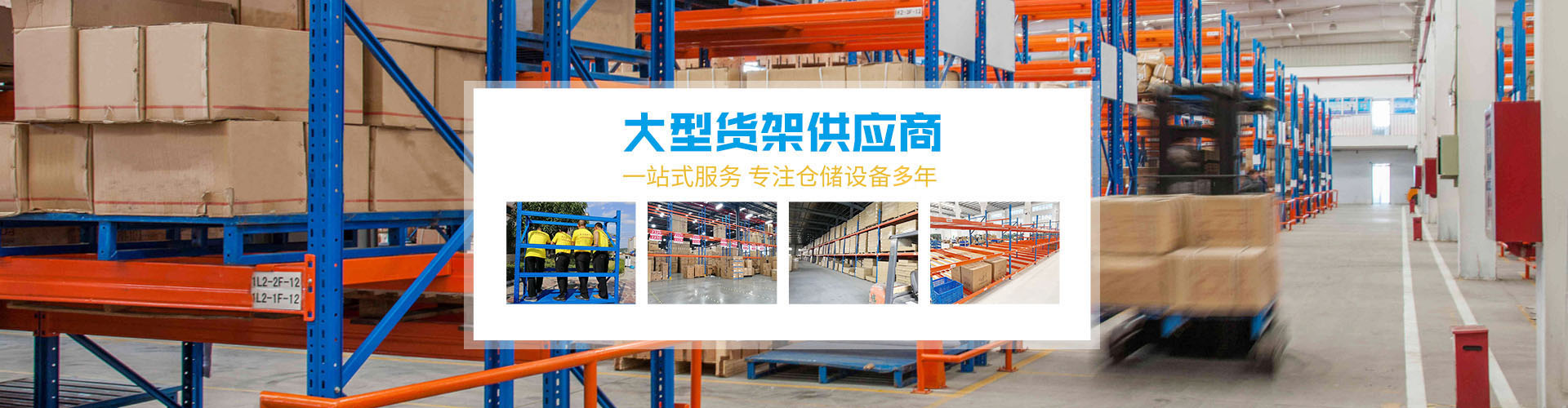
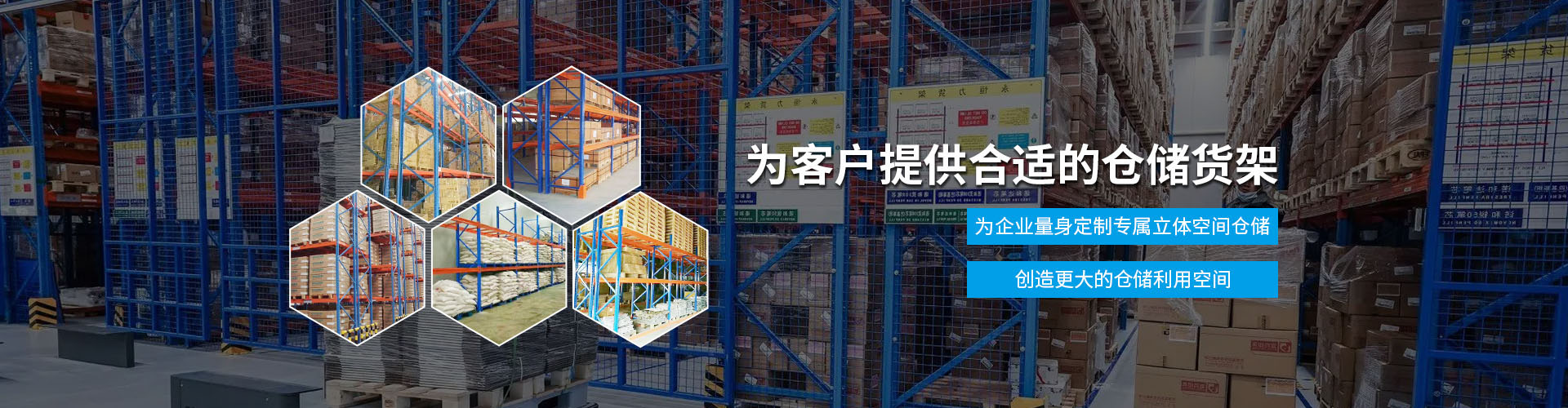

The heavy-duty racking is a simple storage system composed of main and auxiliary racks and beams. It can be categorized into various types based on load capacity and loading/unloading methods, such as beam racking and drive-in racking, etc. The beam racking, in particular, has gained the trust of many customers due to its economic and durable features.
Advantages of Heavy Duty Racking Usage:
Adjustable in height, heavy-duty shelving paired with various forklift and stacker models, allows for quick retrieval of various pallets, making it a commonly used storage method across various industries.
2. Each pallet can be stored or moved individually without the need to move other pallets. It is adaptable to various types of shelving. Heavy-duty storage racks can adjust the height of the beams according to the size requirements of the goods.
3. Next, there's a high volume of goods flow, with quick loading and unloading. The supporting equipment is simple and cost-effective, allowing for rapid assembly and disassembly.
Safety Precautions for Heavy Duty Racking
1. Prevent top-heavy shelves: Follow the principle of placing light goods on higher levels and heavy goods on lower levels.
2. Prevent Overloading of Heavy Duty Racking: The weight of goods stored on each level must not exceed the load capacity designed for the racking.
3. Prevent Overheight and Overwidth Usage of Heavy Duty Racking: The height and width of the shelves are restricted. The dimensions of the pallets and goods should be slightly smaller than the net space by 100mm.
4. Prevent collisions when using heavy-duty racks: Forklifts should be handled gently during operation.
5. When using heavy-duty shelves and there are goods placed on top, operators should avoid entering the bottom of the shelves directly.
6. Prevent the use of non-standard trays on heavy-duty racks; the I-beam base is more suitable.
