


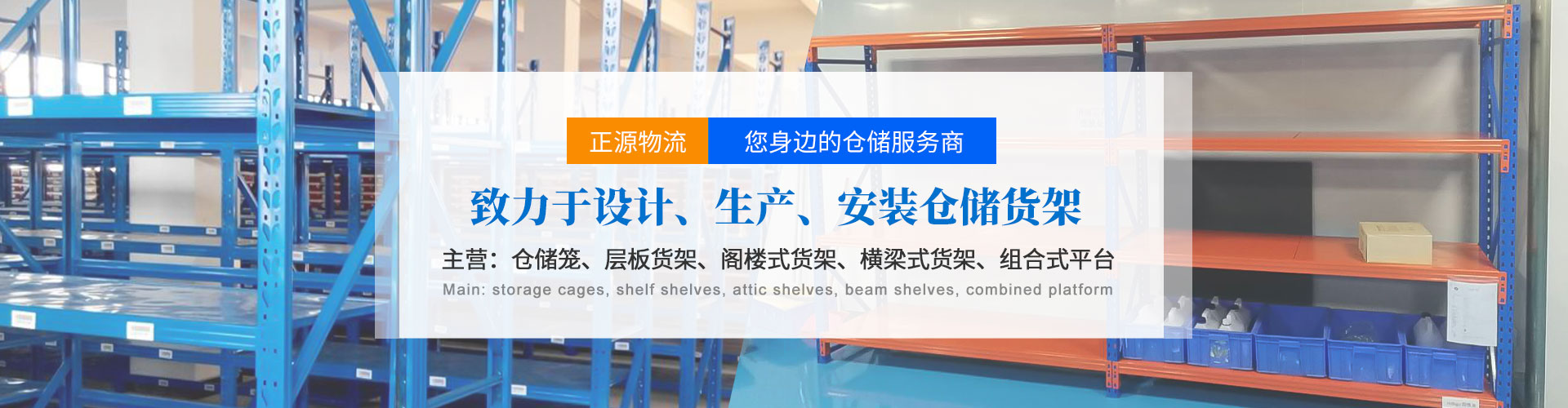

In many people's eyes, shelves are just simple combinations of various shapes. But, forIndustry professionalsDesigning and manufacturing shelves is far from simple, as seen with the display shelves at PinShang. During the customization and production process, numerous factors must be considered, not only the practicality of the shelves but also their aesthetic appeal.
Principles and Characteristics of Warehouse Racking Design:
1. First and foremost, consider the storage capacity, as well as the volume, weight, and size of the goods. Evaluate the ease of forklift loading and unloading, and whether the force of the forklift could damage the shelves, as well as the protection against seismic intensity.
2. Secondly, consider whether there is sufficient space between the goods on Dongguan's shelves, if there is enough space for fire lanes, and if the workers' operations are convenient and labor-saving.
3. Then, consider the type of steel to use and how to apply rust-proof treatments. Ensure the shelves meet requirements while also reducing their cost and construction expenses.
In addition, considerations should also include:
1. Requirements for shelf usage, including load characteristics, whether they meet all the requirements for stored goods, ease of assembly, and simplicity of loading and unloading, as well as the dimensions and spacing to ensure they meet warehouse needs.
2. The test of the racking's pressure resistance, fire resistance, and vibration resistance in meeting the current conditions of the warehouse, considering the locking mechanism of the racking based on the type of stored goods, such as bolt locking or screw tightening. Also, the ease and speed of replacement in case of damage. Furthermore, the racking posts should be firmly anchored to a concrete foundation. Pre-installed components or chemical bolts should be used to secure the racking to the ground, which is designed for heavy-duty racking due to its higher load capacity. Anchoring the racking to the ground aids in maintaining stability, preventing tilting. Additionally, it contributes to vibration resistance and can withstand the impact forces from loading and unloading machinery.
3. Must set prominent labels on the shelves based on the type of goods for staff to easily identify and fill in any gaps. Each label should be at least 20 square centimeters in area, and the clarity and color of the font should be adjusted according to the maximum unit load. Include the maximum load sign (kg) for each level, the maximum allowable load, and the number of units that each compartment can hold.
