

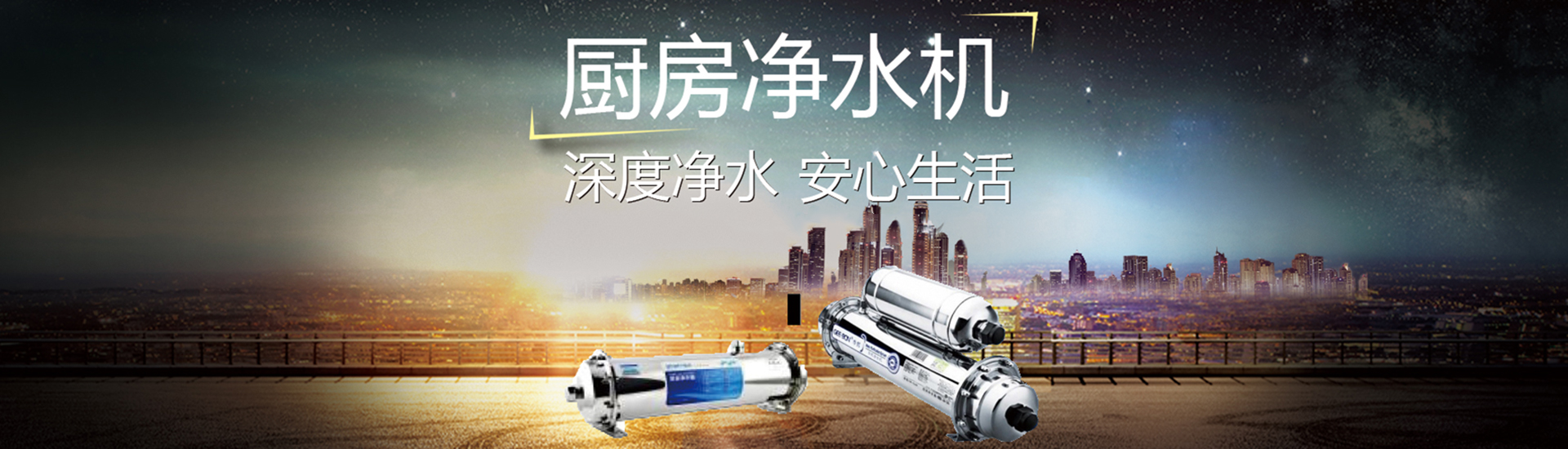

Water coolers, particularly commercial water coolers, have gained widespread application in various settings due to their convenience, safety, and practicality. Here are some occasions where water coolers are suitable for use:
Schools are gathering places for students, with a high demand for drinking water. Drinking fountains can meet the hydration needs of students, teachers, and staff, ensuring water quality safety while also facilitating management.
Station and Airports: These locations have dense human traffic and a large, scattered demand for drinking water. Water stations provide convenience for passengers to drink water at any time, enhancing the quality of service.
The office building is home to a large workforce, featuring a convenient drinking station that not only saves employees time from searching for water sources but also enhances productivity.
The shopping center is bustling with people, with drinking stations readily available to meet the hydration needs of customers and staff, enhancing the shopping experience.
Restaurants and Cafes: These venues typically need to provide drinking water to customers, water stations ensure safe water quality while reducing the workload for staff.
The factory has a large number of employees, resulting in a high demand for drinking water. The drinking station meets the employees' hydration needs while ensuring water quality safety, contributing to their health and productivity.
The Lab: The lab has stringent water quality requirements, with drinking fountains providing safe and pure drinking water to ensure the accuracy of experimental results.
In summary, water dispensers have gained widespread application in various settings requiring centralized water supply due to their convenience, safety, and practicality. When selecting a water dispenser, it's essential to choose the appropriate model and configuration based on the specific needs and characteristics of the situation.
