
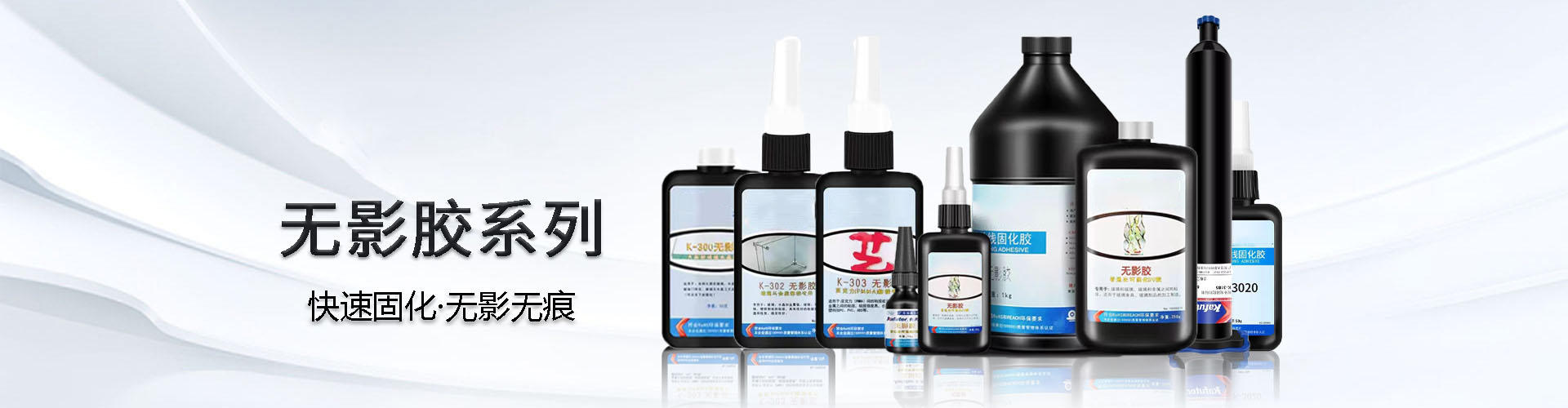

Today's adhesives are not just about bonding a single object; they come in a wide variety. Sealant is one such type, essentially a sealing material primarily used to fill structural gaps. When applied, it flows and adjusts with the sealing surface to achieve a sealed bonding effect. The material typically consists of rubber, natural resins, asphalt, and some special additives. Prices vary accordingly based on the manufacturing materials. Currently, this type of adhesive is commonly used in construction, instrument components, and various other items. Depending on the adhesive's form, there are approximately four categories: paste, liquid elastic, hot melt, and liquid. It can be said that their application range is very broad, and different types can be used for different products.
Thickened sealant is common, but it is suitable for small objects, such as glass. Due to its limited range of movement and deformation, as well as a short shelf life, it is typically used on small or stationary objects. Liquid sealant, on the other hand, has a wider range of deformation and is often used for bonding mechanical surfaces. However, a significant drawback is that its fluid nature makes it difficult to control shape, leading to potential leakage. To address this, auxiliary materials like asbestos or paper are often used, but this can result in an unattractive appearance, making it unsuitable for precision instruments. A better option is a liquid elastomer, though it comes at a high cost. This material is commonly used in precision instruments, offering excellent deformation properties and maintaining a strong bond even when the joint is frequently moved. Additionally, this type of sealant has a very long shelf life, typically up to 15 to 20 years. Despite its high price, it is relatively less commonly chosen. However, it is still used in some high-end instruments.
Hot melt sealant is a cost-effective option with moderate pricing and excellent bonding strength. What's more, after your special configuration, it can approach the performance of a liquid elastomer. It is often used in industrial components, eliminating the need for sulfur compounds, thus reducing toxicity. Many industries now opt for this material to fill gaps, and its application is quite simple. When repairing, it is crucial to clean the area thoroughly first to ensure complete contact with the adhesive for optimal bonding. In the market, there are some counterfeit adhesives, especially for beginners, who often fall victim to scams. Be cautious when purchasing and make sure to differentiate. Adhesives are generally categorized as solid or liquid, both offering excellent镶嵌 capabilities and good stability with low toxicity, if not non-toxic. They also possess excellent flexibility and can fully recover even after being compressed or stretched. They have sufficient pressure-bearing capacity and maintain stability under compression. Remember, good products will not peel off or crack. If these issues arise, it's likely that you've purchased a substandard product. With so many types available, always be mindful of your selection when purchasing.
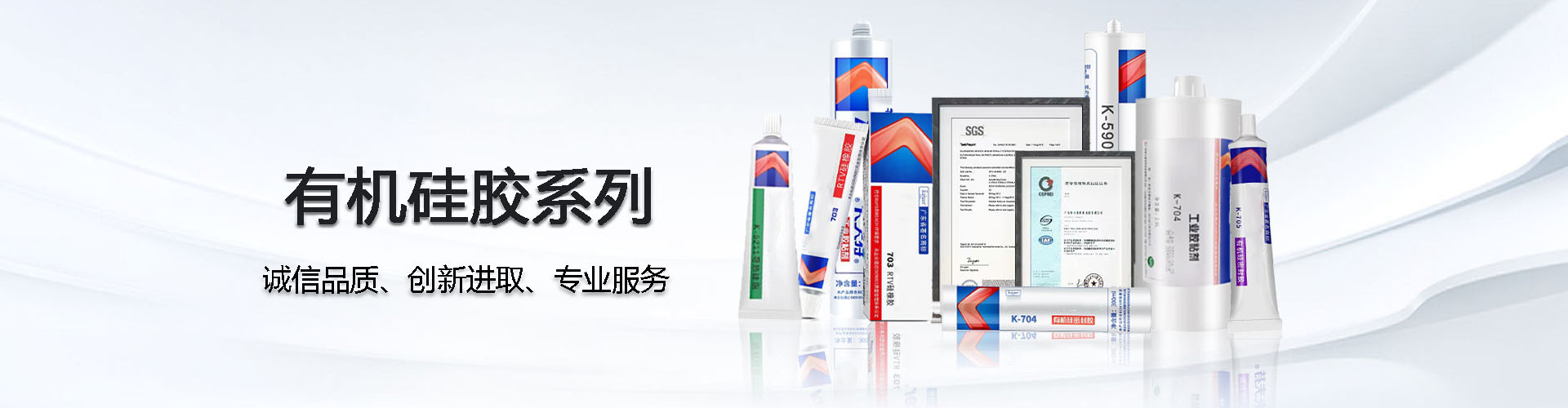
Common automotive sealants include silicone sealant, structural adhesive, reinforced adhesive, structural adhesive, polyurethane foam, and more. In modern industry and daily life, polyurethane (commonly known as PU) sealant is widely used, and PU leather is everywhere we look. Its advantages are evident, with excellent wear resistance and high mechanical strength. However, its drawbacks are also noticeable, such as strong odor, poor heat resistance over time; susceptibility to UV aging; potential for bubbles and cracks in high-temperature environments; and often requiring a primer. Additionally, polyurethane sealants have poor water resistance, especially poor alkaline water resistance. These drawbacks and their side effects are impacting our environment and the sustainable development of the Earth. Here, it's essential to mention silicone sealant, an environmentally friendly new energy product. Those in the know will notice that this silicone sealant is rapidly replacing polyurethane sealant on the market. Silicone sealant offers good adhesion strength and sealing performance on most materials, has no odor, and boasts excellent high and low-temperature resistance, with a temperature range of -60℃ to 300℃. It has excellent electrical properties, is moisture-proof, water-resistant, and resistant to corona discharge, shock, and aging. It is widely used in industrial and electronic appliance bonding and sealing.
