



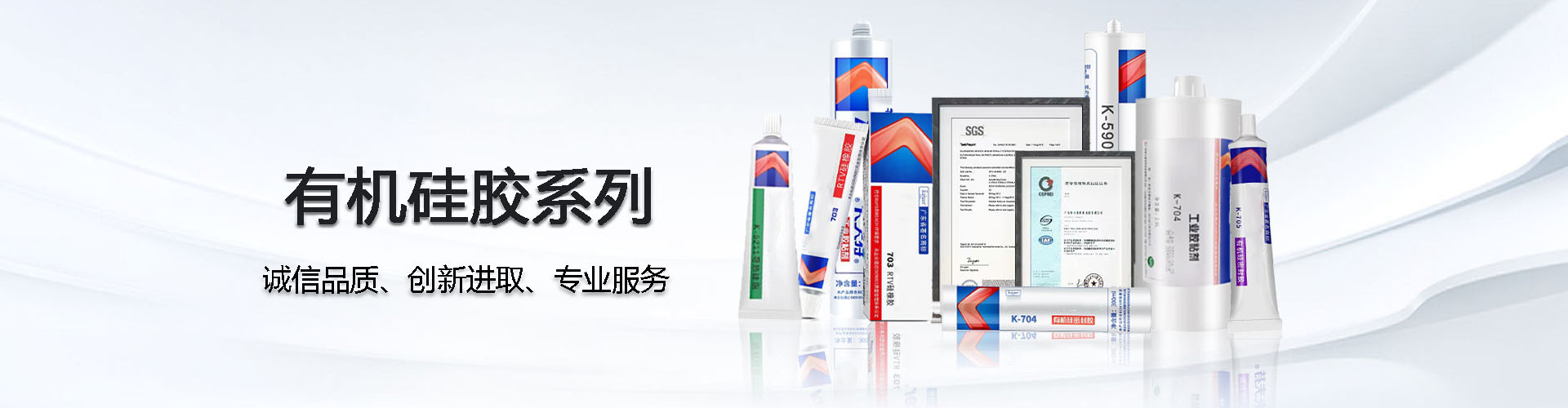
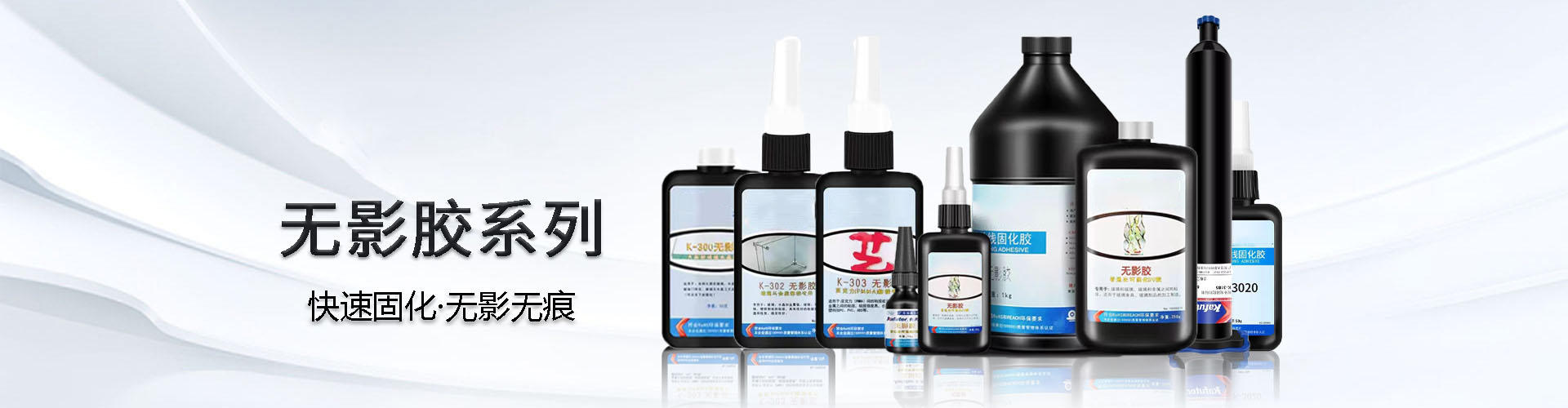

Anaerobic adhesives, commonly referred to as anaerobic adhesives, are one-component sealants that utilize the principle of oxygen inhibiting the aggregation of free radicals. They are suitable for both bonding and sealing purposes. Upon being isolated from air and with the presence of a catalyst, they can rapidly polymerize and cure at room temperature. The composition of anaerobic adhesives is relatively complex, primarily consisting of unsaturated monomers, along with aromatic amines, phenols, aromatic hydrazines, peroxides, and more. In recent years, foreign anaerobic adhesive formulations have been continuously innovated and refined, gaining popularity in the mechanical industry.
Since the 1990s, the United States has established standards for single-component anaerobic adhesives (ASTM 5363-97), regulating their manufacturing and function. China has also implemented the chemical industry standard (HG/T 3737-2004).
Anchoring Adhesives: Features and Applications
Most are monomer types, with a wide range of viscosity changes and a variety of options for selection.
(2) No need for weighing, mixing, or glue application; convenient to use and easily automated.
(3) Room temperature curing with fast curing speed, high strength, energy-saving, low shrinkage, and excellent sealing. Can be disassembled after curing.
(4) Exceptional performance with excellent heat, pressure, low-temperature, chemical, impact resistance, shock absorption, corrosion resistance, and anti-fogging properties.
(5) Excess adhesive at the seam does not cure and is easily removable.
(6) Solvent-free, low toxicity, minimal harm, and non-polluting.
(7) Versatile for sealing, locking, holding, bonding, and leak-proofing applications.
(8) Storage stability is ensured, with the gel typically having a shelf life of three years.
Anaerobic adhesives, with their unique curing characteristics, are applicable in areas such as fastening, sealing, holding, bonding, and leakproofing. They have become an indispensable liquid tool in the mechanical industry. They are widely used in industries such as aerospace, automotive, machinery, electronics, and electrical.
