
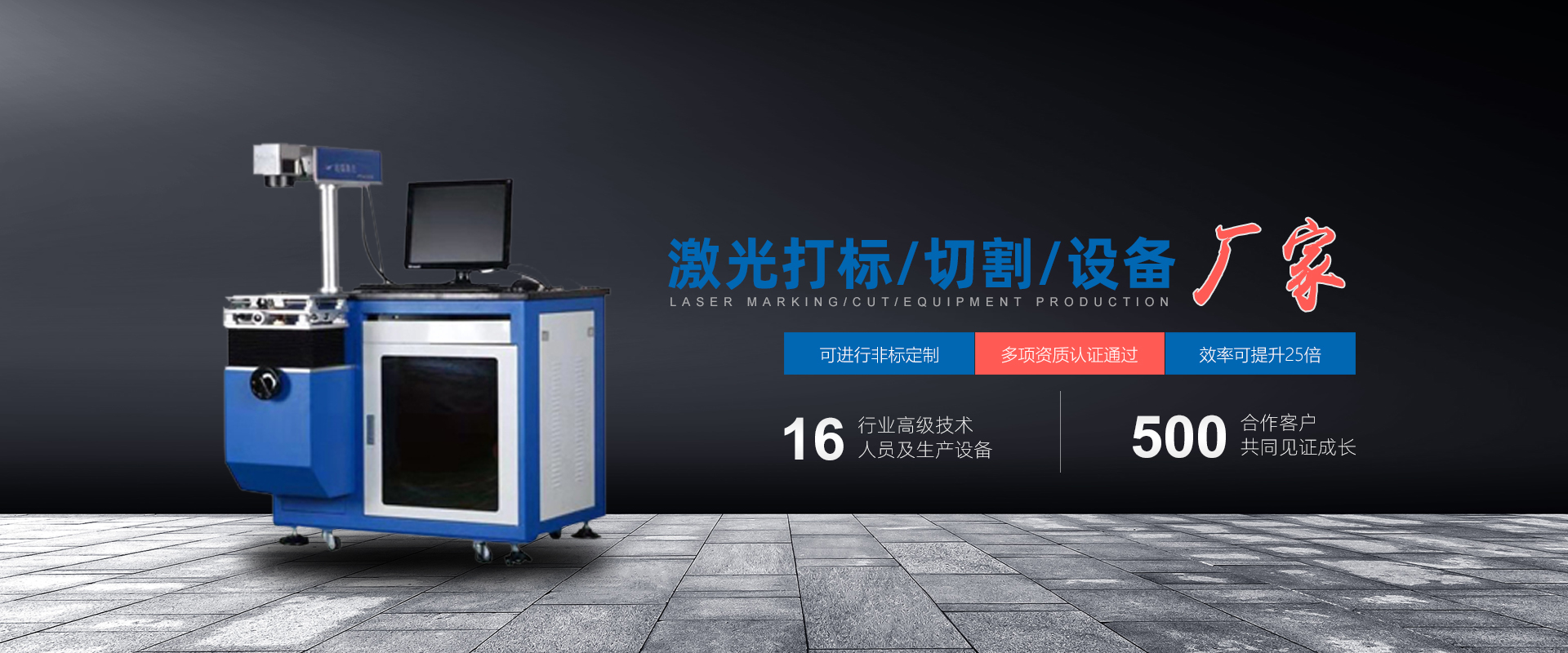

To understand the uses and pros and cons of laser cutting machines, it's first important to know that they are mainly divided into two categories: fiber laser cutting machines and CO2 laser cutting machines. Fiber laser cutting machines are also known as metal laser cutting machines, while CO2 laser cutting machines are referred to as non-metal laser cutting machines. In the past, there was a machine on the market that could cut both metal and non-metal materials, called a hybrid cutting machine. However, due to its high failure rate and short lifespan, it has gradually been phased out by the market.
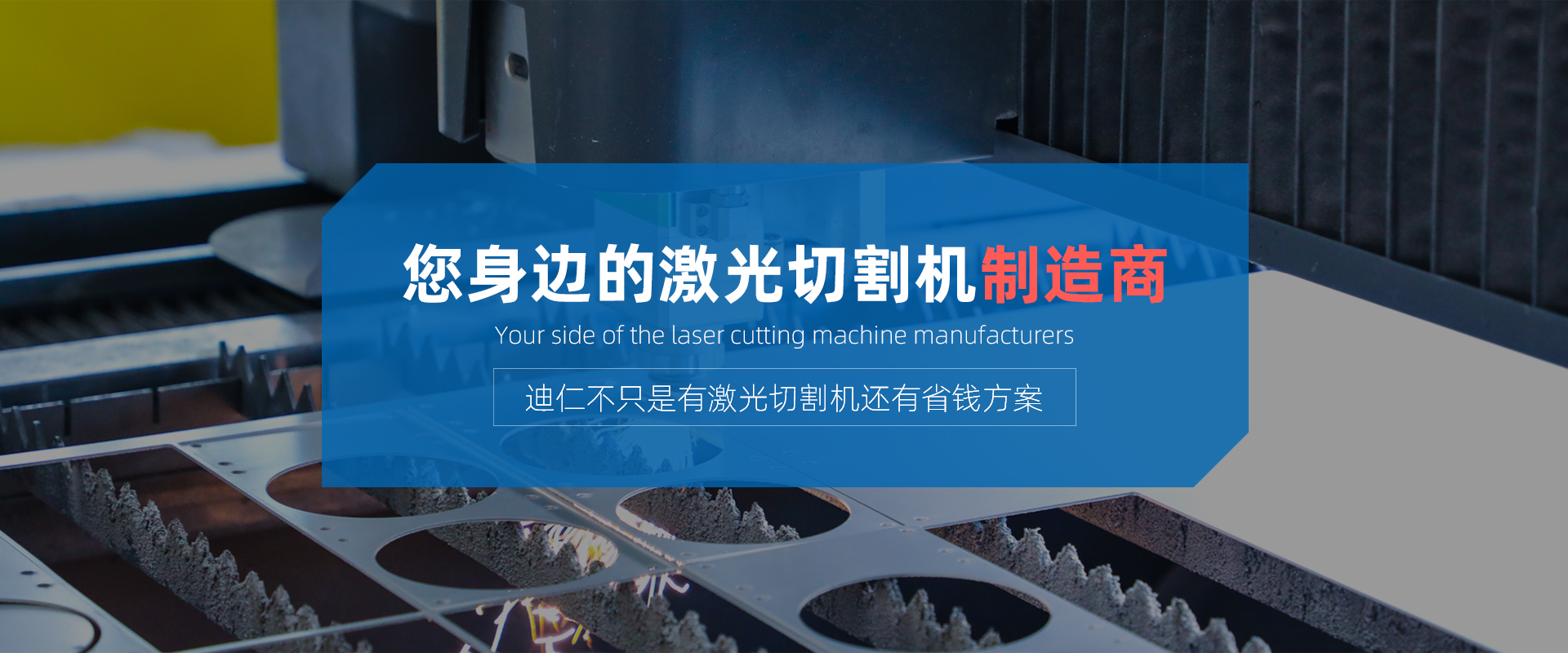
The primary uses of laser cutting machines are categorized into three: cutting, engraving, and drilling. Cutting applications are the most widespread, with CO2 laser cutters primarily used for fabric cutting, acrylic cutting, and materials like plastics and rubbers. Fiber laser cutting machines are employed for metal cutting, such as stainless steel plate cutting, copper plate cutting, and carbon steel cutting, among others.
The advantages of laser cutting machines over traditional manual cutting are evident; they offer significantly higher cutting efficiency. The benefits of mechanization over traditional manual methods are numerous. Laser cutting is a non-contact process, resulting in minimal impact on the product itself. It is a form of thermal cutting, which yields smooth, even edges without burrs, and provides a superior cutting finish. The laser alignment is precise, ensuring high cutting accuracy. Of course, every product has its limitations. One drawback of laser cutting machines is that they cannot perform multi-layer cutting. Due to the thermal nature of the process, multi-layer cutting often leads to edge adhesion, significantly affecting the cutting quality. It is not recommended for multi-layer cutting.
