


Principle of electromagnetic heater:
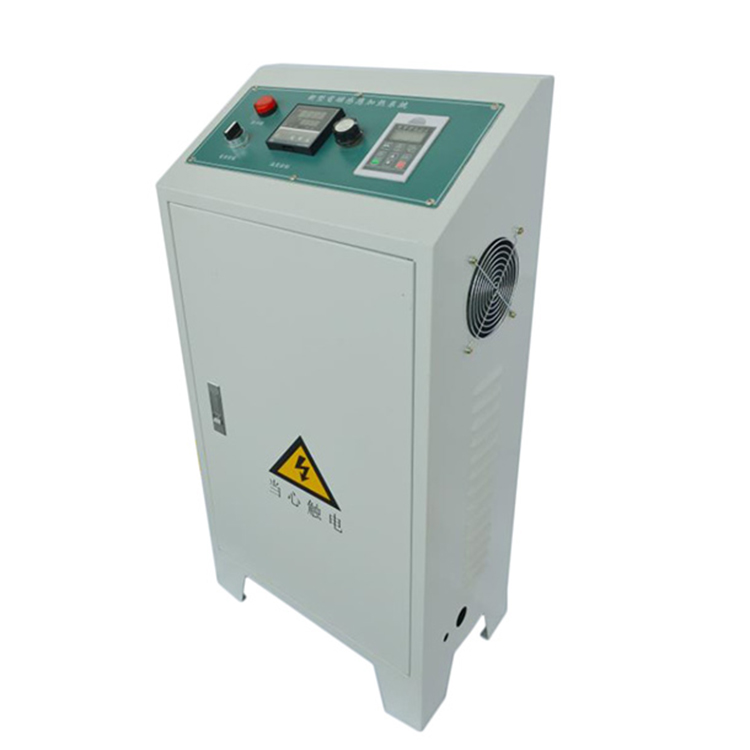
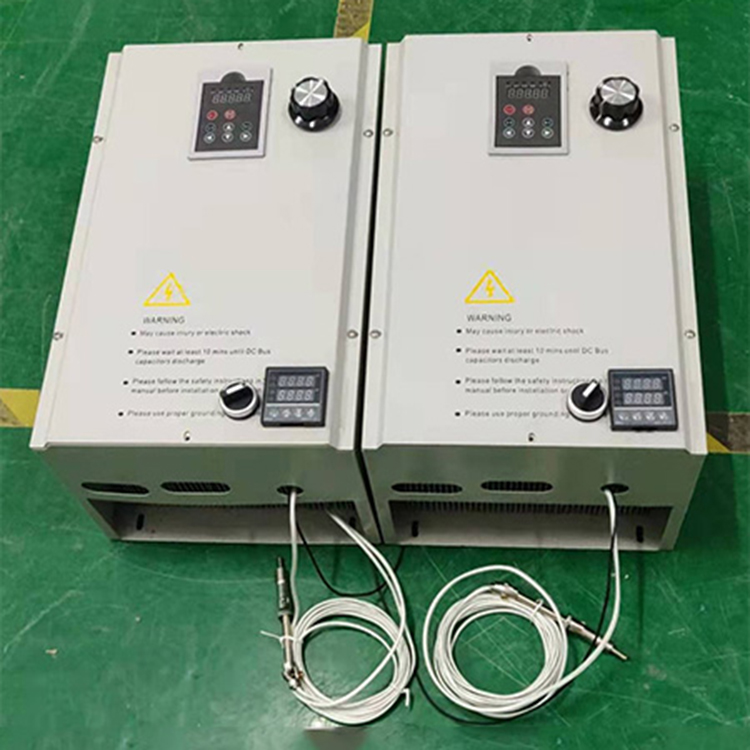
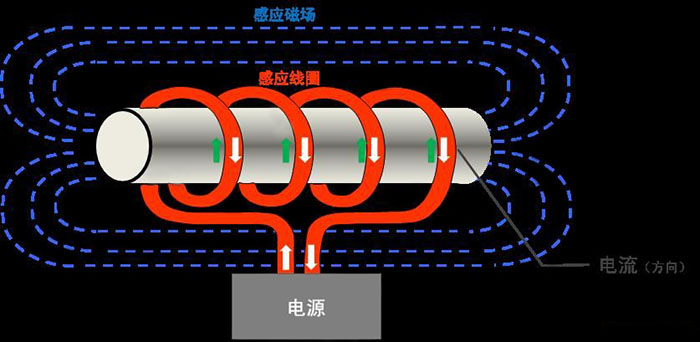
An electromagnetic heater is a device that converts electrical energy into heat using the principle of electromagnetic induction. The electromagnetic controller converts 220V/380V, 50/60Hz AC power into DC power through a rectifying circuit, then transforms the DC power into a high-frequency current of 10-40kHz via the control circuit. As the current flows through the coil, it generates a varying alternating magnetic field. When the alternating magnetic flux lines pass through ferromagnetic materials (such as iron, cobalt, and nickel), countless tiny eddy currents are induced within the metal, causing the metal to heat up rapidly, thereby achieving the purpose of heating the metal material.
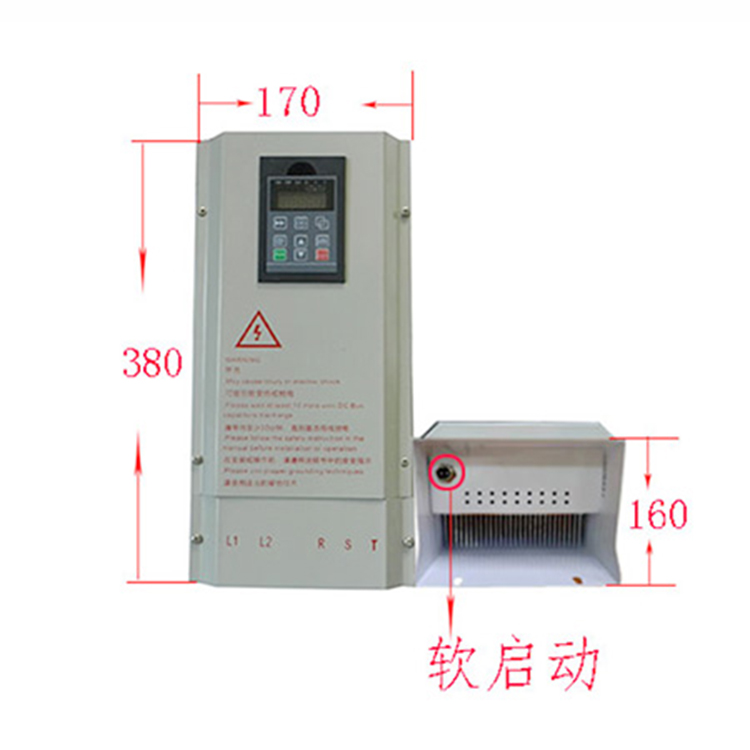
Inverters are the core components of high-frequency electromagnetic heaters, serving as devices that convert power supply from the industrial frequency to another frequency using the on-off action of power semiconductor devices. The inverters currently in use mainly operate in an AC-DC-AC configuration. They first convert the industrial frequency AC power to DC power through a rectifier, and then convert the DC power into AC power with controllable frequency and voltage for the motor. The inverter circuit typically consists of four parts: rectification, a middle DC link, inversion, and control. The rectification section is a three-phase bridge uncontrolled rectifier, the inversion section is a three-phase bridge IGBT inverter with PWM waveform output, and the middle DC link handles filtering, DC energy storage, and reactive power buffering.
Electromagnetic Heating Advantages:
Energy-efficient, precise temperature control, long lifespan, improved working environment, safe and reliable. Utilizes internal heat generation by directly感应 magnetic energy within the heating body, resulting in rapid heat-up. The average preheating time is reduced by over 60% compared to other heating methods, with a thermal efficiency of over 97%. Energy savings of 30% to 70% are achieved under the same conditions. The electromagnetic heating coil section employs a ring cable structure, which does not generate heat, minimizing thermal resistance and low thermal inertia. The outer wall temperature of the heating body is consistent, and temperature control is real-time and accurate, capable of withstanding temperatures above 500°C, with a lifespan of up to 10 years. The surface temperature of the equipment can be improved to a level where it is touchable by humans, enhancing the working environment of the production site, significantly boosting the morale of production workers, and reducing ventilation and cooling costs during summer. The electromagnetic coil has excellent insulation properties, eliminating the need for direct contact with the outer wall of the heating body, making the heating process safer.
