



Today, we introduce you to some key points about electromagnetic heating stoves. Let's take a look!
Early heating stoves were not boilers but primitive appliances that heated directly by burning coal and wood. With the rapid development of society, innovations and improvements in heating stoves have also progressed rapidly. Today's heating stoves have evolved significantly, with attractive appearance and functionality becoming their primary features. The variety of heating stoves is extensive, including electric, oil/gas, and coal-burning models.
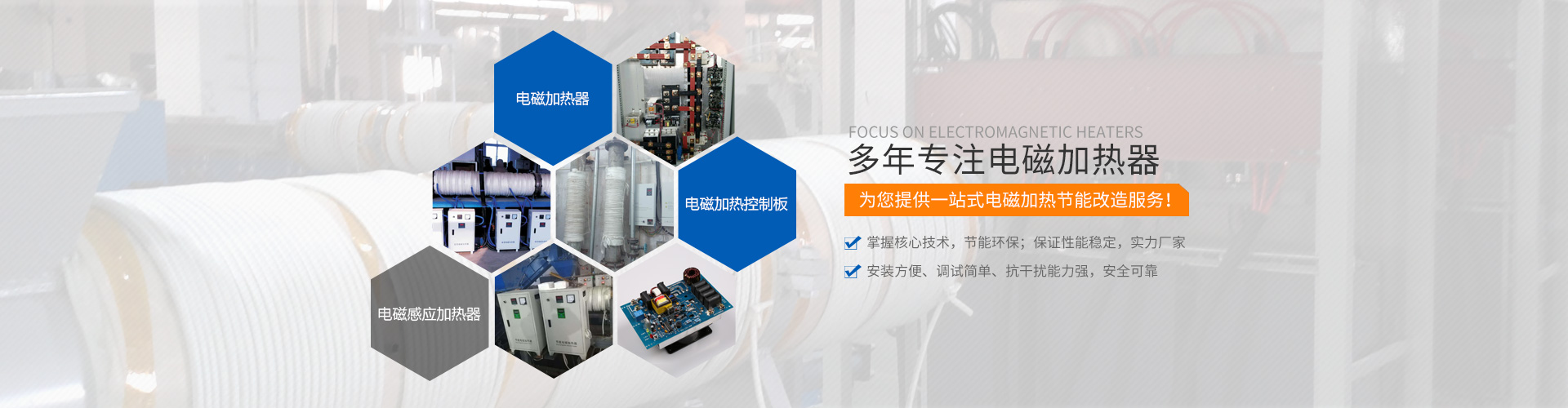
The electromagnetic heating stove utilizes the principle of electromagnetism, generating heat by cutting metal with magnetic lines to produce eddy currents. This heat is then used as a heat source through a heat dissipation system (such as a hydronic system) to achieve the goal of heating. It has a higher thermal efficiency than conventional electric heating stoves, about 30% higher.
The electromagnetic heating boiler heats through electromagnetic induction, achieving true electrical and water separation with insulation between the circuit and water path. By directly acting on the water tank via electromagnetic induction, it causes the tank to heat itself, reducing the process of heat transfer through a medium, resulting in minimal heat loss. It has high thermal efficiency, heating instantly, without the need for a heat storage container. Its thermal efficiency can reach over 98% in an instant, saving over 30% more energy than resistance heating.
The electromagnetic heating boiler utilizes the principle of electromagnetic induction to convert electrical energy into heat. Inside the controller, the rectifying circuit converts 50HZ alternating current voltage into direct current voltage, which is then transformed into a high-frequency alternating current voltage of 22KHZ by the control circuit. The high-frequency alternating current voltage flows through high-frequency conductors wrapped around the exterior of a non-metallic material tube, generating numerous small eddy currents when the rapidly changing magnetic field's magnetic lines cut through the metallic container inside the non-metallic material tube. This results in the rapid heating of water, achieving the effect of quick water heating.
