
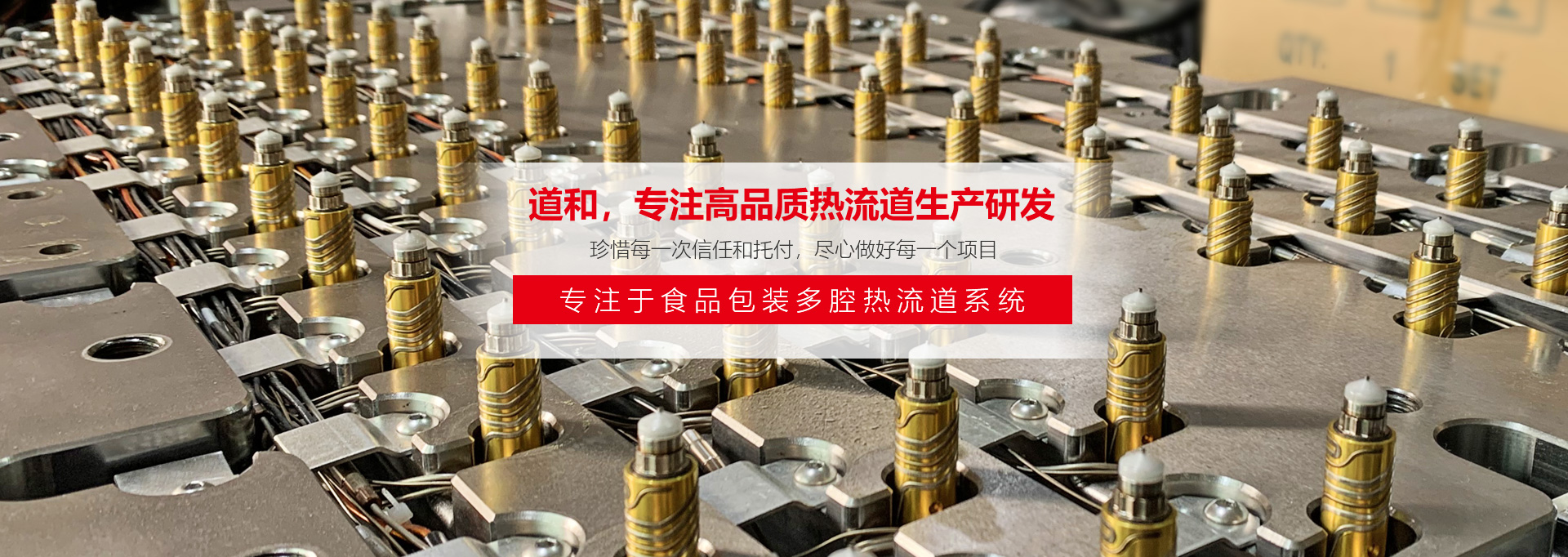
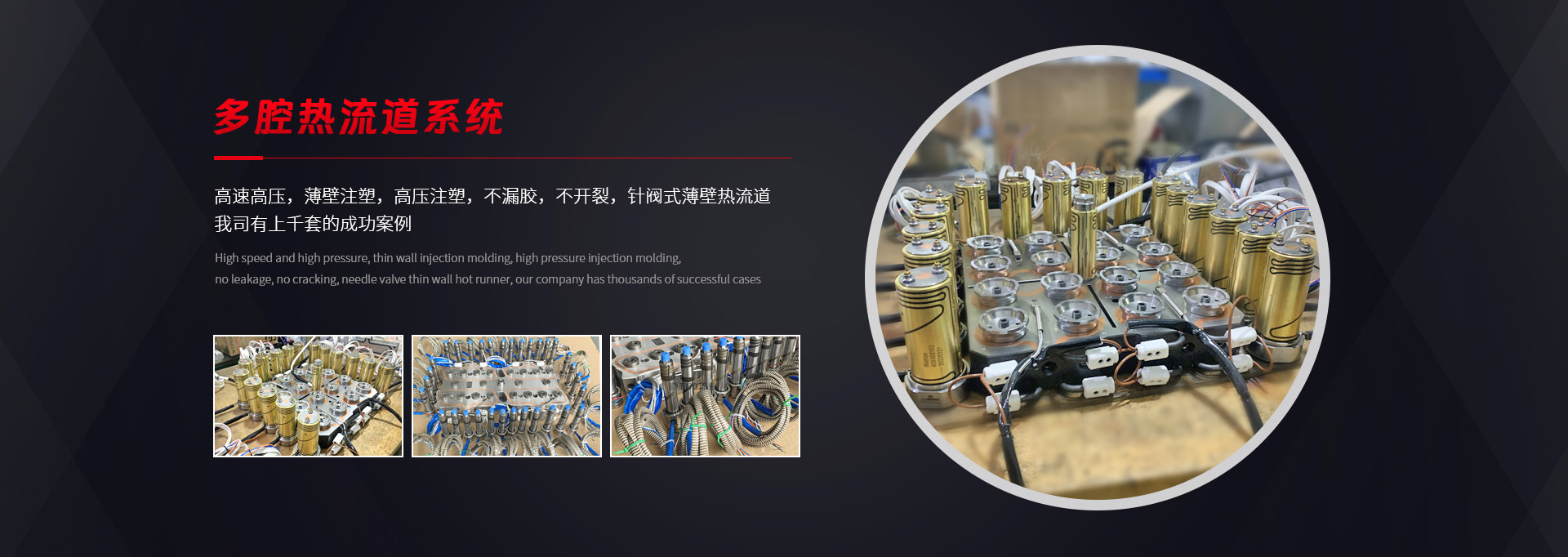
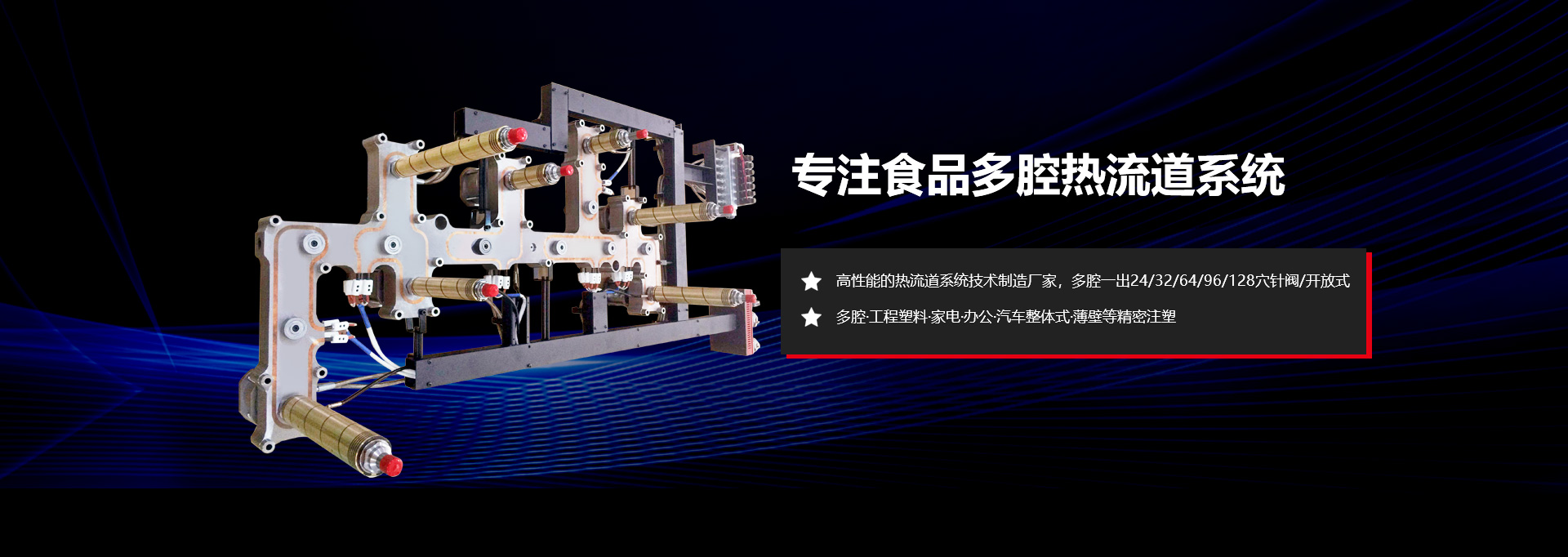

Hot runners are a heated component system used in injection molds to inject melted plastic particles into the mold's cavity. Hot runner molds represent a new design where the runners and gates of traditional molds or three-plate molds are heated, eliminating the need to remove the runners and gates at each molding cycle.
Four Key Features of Hot Runner Molds:
Reduce Plastic Usage
Hot runner molds have no cold runner, thus eliminating production costs. This is particularly important for application projects using expensive plastics. In fact, during a time when oil and plastic raw material prices are high worldwide, major hot runner manufacturers are rapidly developing. This is because hot runner technology is an effective way to reduce material costs.
2. Waste Reduction
Reduce waste and enhance product quality. During the molding process of hot runner molds, the temperature of the plastic melt is controlled within the runner system. The plastic flows into each mold cavity in a more uniform and consistent state, resulting in identical part quality. Parts formed by hot runner molding have good gate quality, low residual stress after demolding, and minimal deformation.
3. Shorten the cycle
The molding cycle of parts is shortened as the parts can be ejected promptly after curing, free from the constraints of runner system cooling time. The molding cycle for many thin-walled parts produced by hot runner molds can be less than 5 seconds.
4. Production Automation
Eliminating subsequent processes facilitates production automation. The finished products are formed by hot runner molds, eliminating the need for gate trimming and cold runner recovery. This is beneficial for automation. Many foreign product manufacturers combine hot runners with automation, significantly enhancing production efficiency. Many plastic molding processes have been developed based on hot runner technology, such as PET pre-forming, multi-color co-injection within molds, co-injection of multiple materials, and STACK MOLD.
