
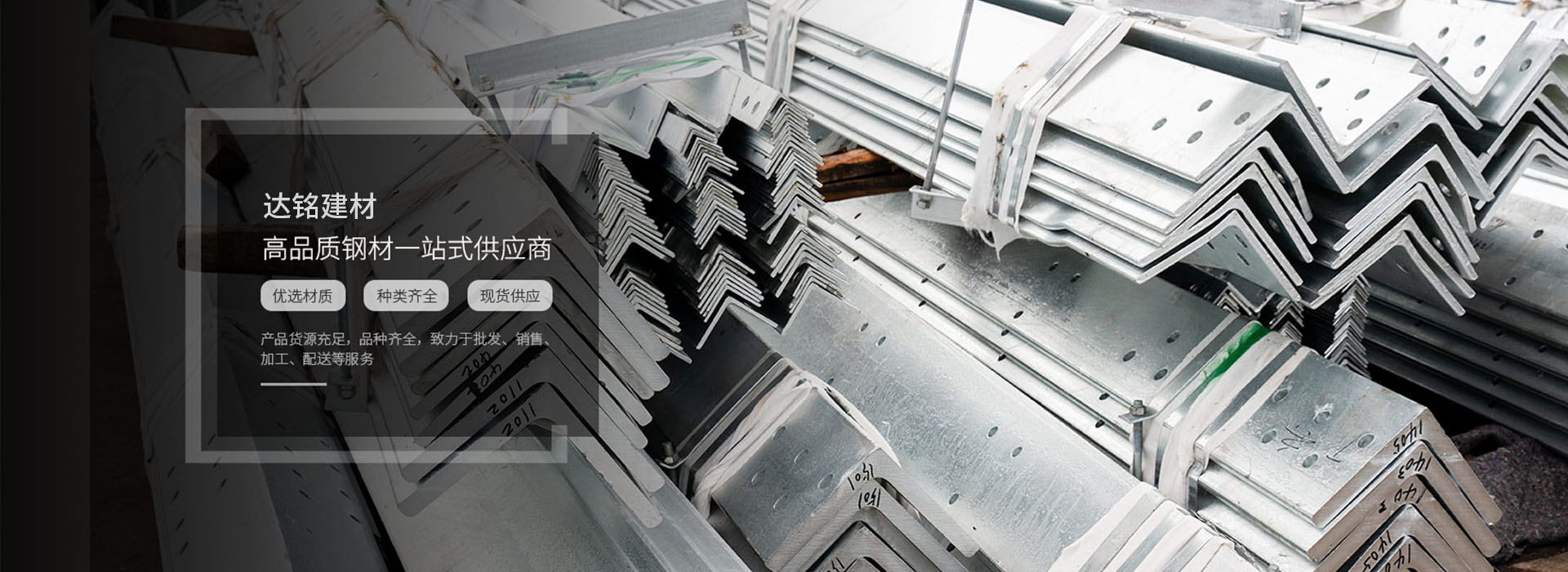

Section steel is a long strip steel with a hollowed cross-section, categorized as construction and machinery carbon structural steel. It is a type of steel with a complex cross-section, characterized by its hollowed shape. Section steel is primarily used in construction structures, curtain wall projects, machinery and equipment manufacturing, and vehicle production. Next, I will introduce the requirements for the surface appearance of section steel, which can be summarized as follows, to ensure clear understanding and compliance:
I. Basic Appearance Quality Requirements
The surface of channel steel should be smooth, free from obvious inclusions, cracks, scratches, bubbles, folds, and impurities, etc. These defects not only affect the aesthetic appearance of the channel steel but may also impact its mechanical properties and durability.
The edges of channel steel should be neat, free of burrs and cracks, etc. Neat edges help ensure accuracy and stability during the processing and usage of channel steel.
Surface Coating Requirements
The surface coating of channel steel should be even and smooth, with no visible scratches or peeling. The quality of the coating not only affects the corrosion resistance of the channel steel but also relates to its appearance and service life.
Size and Shape Requirements
The dimensions of the channel steel, including length, width, thickness, and height, should comply with the standard specifications and fall within the permissible range. This is fundamental to ensuring that the channel steel meets the engineering design and usage requirements.
The cross-sectional shape of channel steel should be in a slot form, with the distance between the upper and lower parallel surfaces referred to as the slot width, typically denoted as "h". The slot height is usually represented by "b", the slot thickness as "s", and the slot width as "t". These dimensions should also comply with the specifications of relevant standards.
Four: Mechanical Performance Requirements
Although it's not directly related to surface appearance requirements, channel steel should possess certain mechanical properties such as tensile strength, yield strength, elongation, and impact toughness. These property requirements ensure that channel steel can withstand various loads and impacts during use, maintaining structural stability and safety.
