
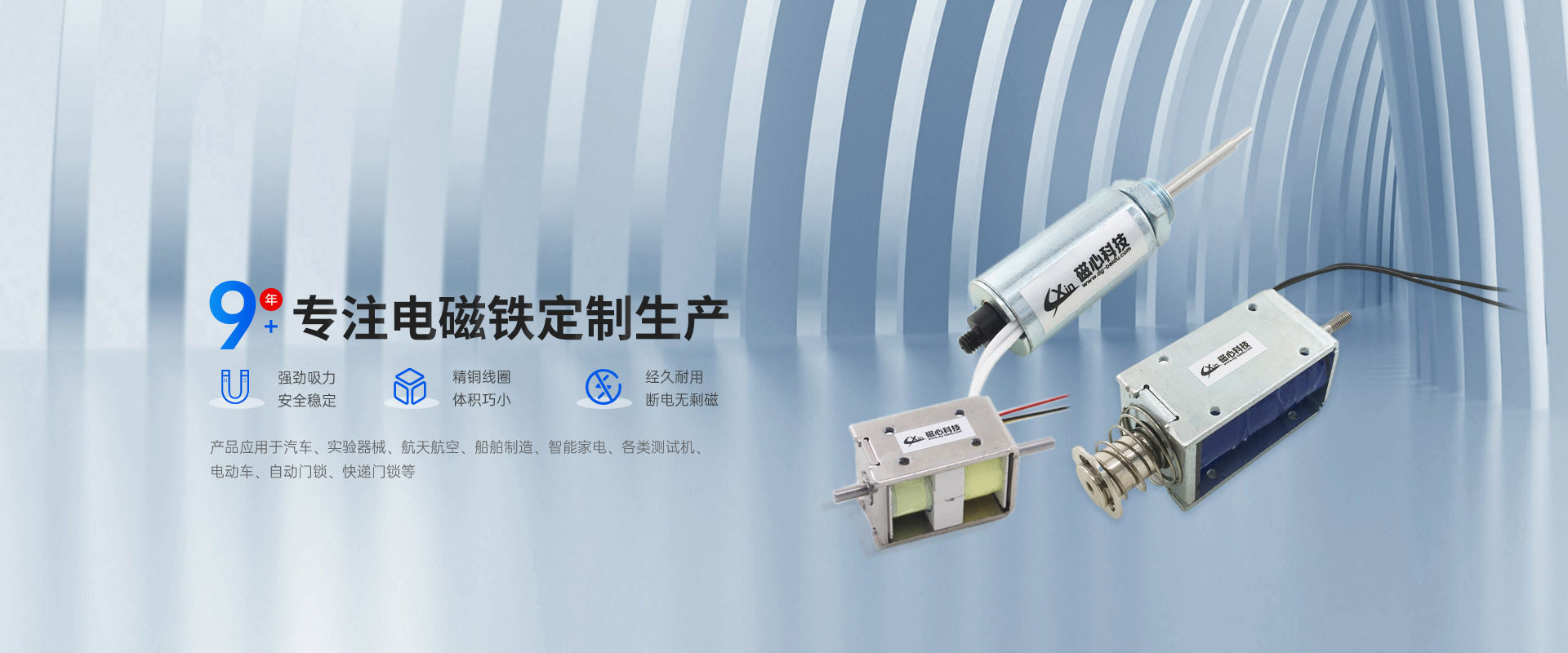



The design and manufacturing of the solenoid for hydraulic solenoid valves utilize the H-grade heat resistance level, ensuring that the temperature rise during normal operation does not compromise the lifespan of the solenoid. Below, Dalan Hydraulic System Manufacturer provides a brief overview of the temperature rise in DC solenoids versus AC solenoids.
Direct Current Solenoid Temperature Rise:
The temperature rise of DC electromagnets is caused by the winding temperature rise due to copper loss. The extent depends on the current density and heat dissipation conditions. Generally, the temperature rise of DC electromagnets is less than that of AC electromagnets.
Temperature Rise of Exchange Electromagnets:
The temperature rise of the exchange electromagnet is caused jointly by copper loss and iron loss. It depends on the following points:
Core loss due to eddy currents and hysteresis.
2. Power loss caused by circulating power between the riveted cores of the stacked iron cores.
Loss caused by short-circuit rings.
4. Inductive reactance causes coil resistance loss. Additionally, it is related to the operating frequency; the higher the frequency, the longer the startup current duration, and the greater the temperature rise will be.
When an electromagnetic directional valve fails to operate normally, a common issue is that the valve core is stuck due to external force, preventing movement. When the electromagnet is powered on, it cannot attract the armature to the normal position, obstructing the magnetic path and causing the coil temperature to rise sharply. This is especially true for AC alternating current electromagnets, which can easily damage the coil within a short period. Therefore, it is important to maintain the cleanliness of the hydraulic system to avoid directional valve failures and extend the service life.
