
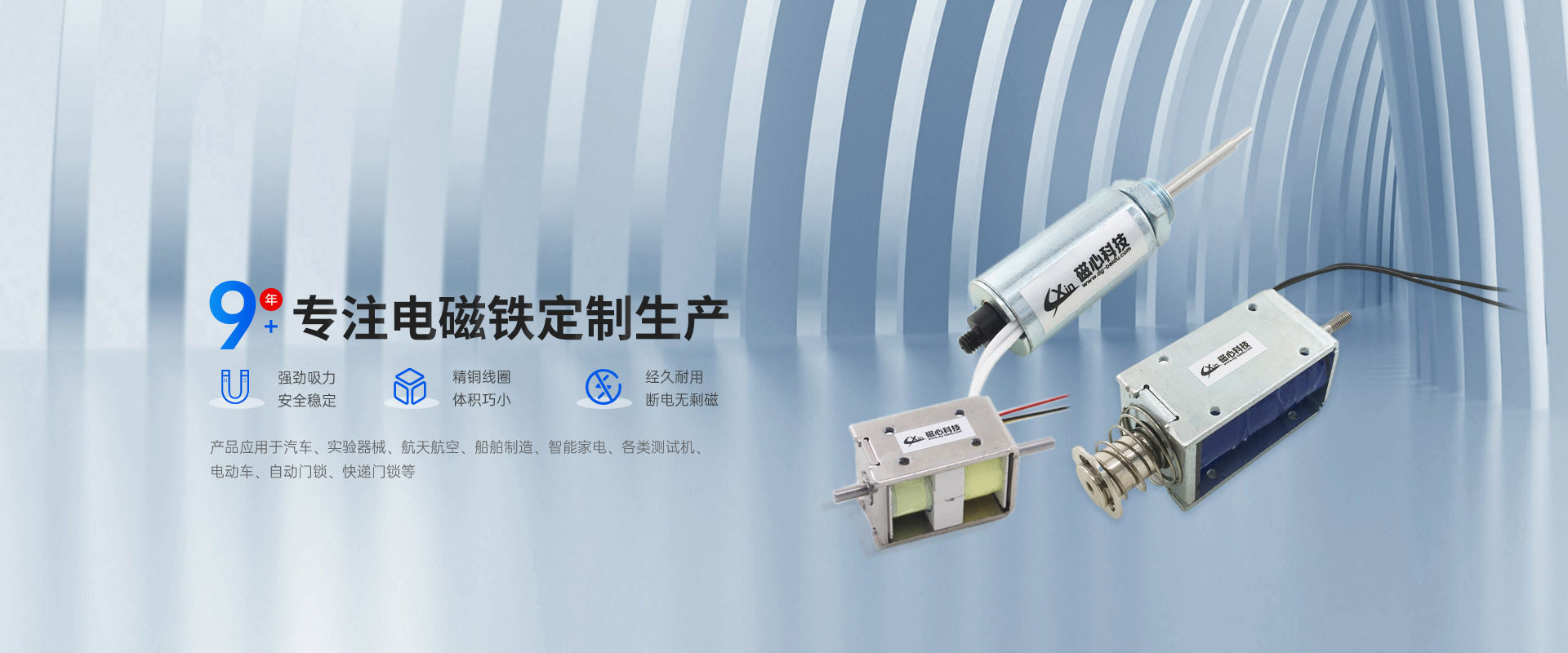



Frame-type electromagnets, also known as box-type electromagnets, are so named due to their square shape. These frame electromagnets are devices that generate electromagnetic fields. When the transformer core rotates externally and its output power is consistent with the resistance of the conductive winding, the coil with current exhibits magnetic properties similar to those of a magnet. We typically shape them into strips or horseshoes to facilitate easier magnetization of the transformer core. Additionally, to quickly demagnetize the electromagnet, we often use soft iron or silicon steel materials that are suitable for rapid demagnetization. Once powered, these electromagnets become magnetic. When the power is turned off, the magnetic field dissipates. Square electromagnets have numerous applications in our daily lives, as their generation has significantly increased the output power of generator sets.
Let's first examine the composition and principle of electromagnets: Electromagnets are primarily composed of coils, an iron core, and an armature. Both the iron core and armature are typically made of soft magnetic materials. They are generally categorized into DC electromagnets and communication electromagnets. What is the principle behind communication electromagnets?
When the communication electromagnet coil is inserted, the core and armature are magnetized, becoming two magnets with opposite poles. When the adhesive force exceeds the reactive force of the tension spring, the armature's pivot point moves towards the core. When the current in the coil falls below a certain level or the power source is interrupted, the electromagnetic attractive force is less than the reactive force of the tension spring, and the armature will return to its original release direction under the action of the reactive force.
It's worth noting that the electromagnetic attractive force of the communication electromagnet is composed of the magnetic force from the magnetic separator's magnetic field and the alternating electric fields generated by two interchanged magnetic fields of the separator, plus the effect of direct current net weight. This makes it easier to release, resulting in lower output power, larger transformer core volume, and high energy consumption in the coil; a low power factor leads to high coil current, severe heating, and not only wastes electricity but also prematurely ages and damages the coil. It's quite糟糕. Therefore, most of the time, we opt for direct current over communication electromagnets.
