
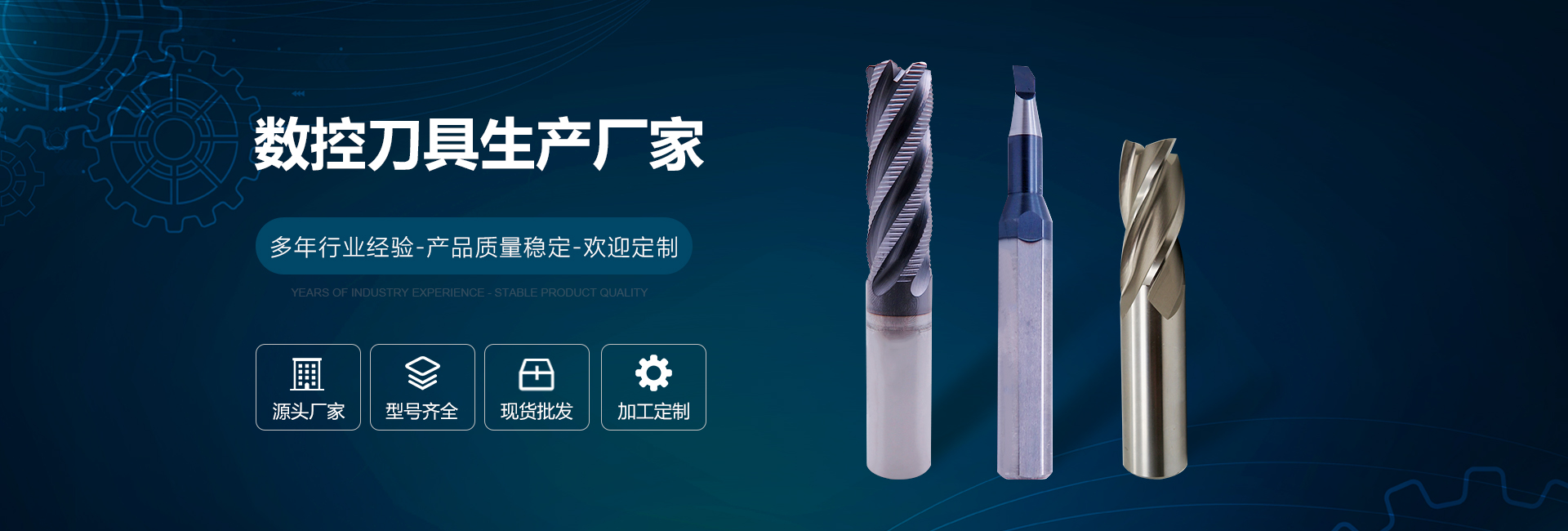
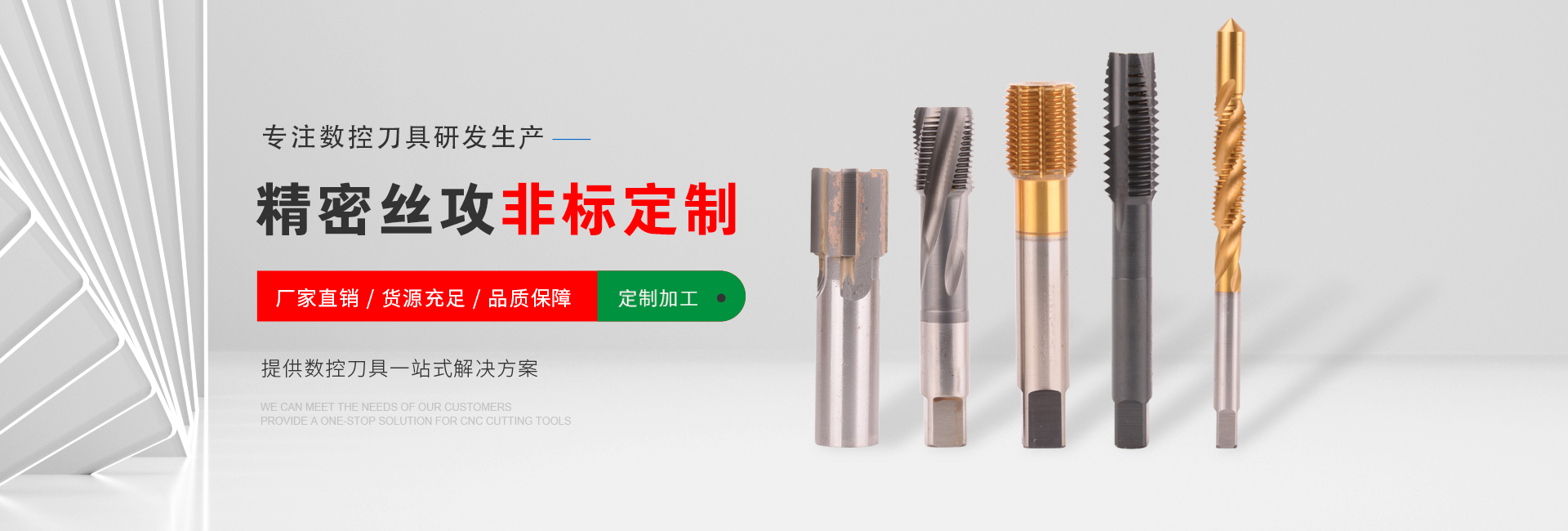
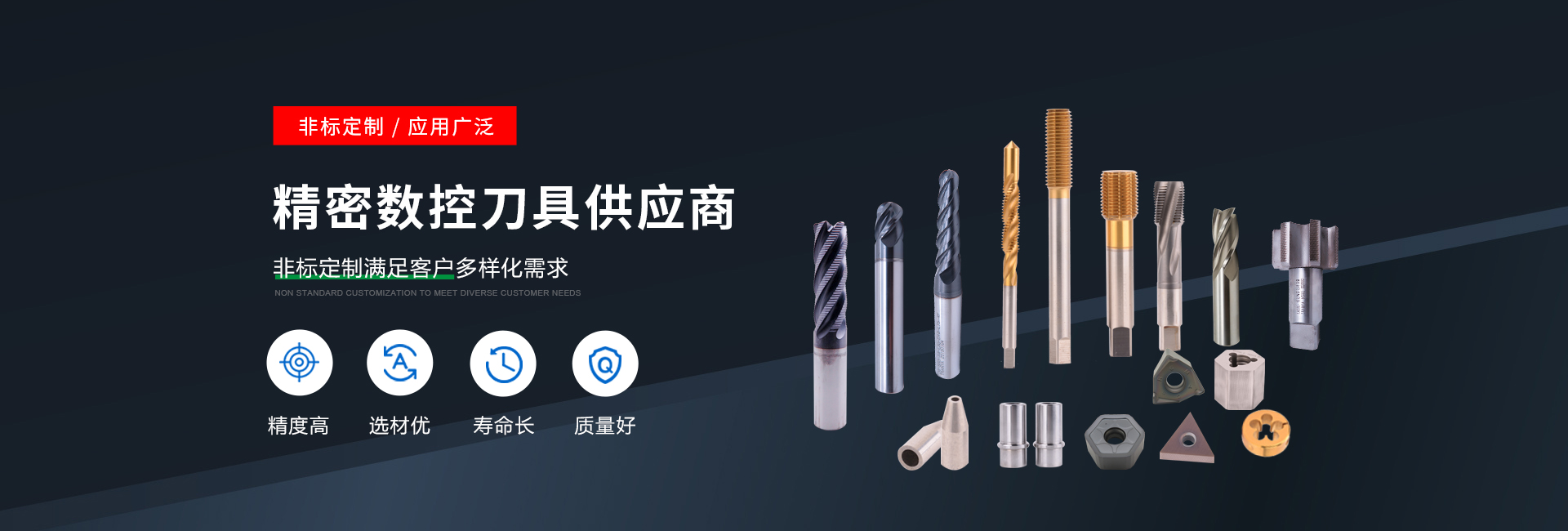

Hardmetal is an alloy material made by sintering hard compounds of refractory metals with binder metals.
Hardened alloy boasts an array of excellent properties such as high hardness, wear resistance, good strength and toughness, heat resistance, and corrosion resistance. Particularly, its high hardness and wear resistance remain largely unchanged even at 500℃ temperatures and retain significant hardness at 1000℃.
Hardened alloys are widely used as material for cutting tools such as lathe tools, milling cutters, planning tools, drills, and boring bars. They are employed for cutting cast iron, non-ferrous metals, plastics, synthetic fibers, graphite, glass, stone, and ordinary steel. Additionally, they can be used to machine difficult-to-cut materials like heat-resistant steel, stainless steel, high manganese steel, and tool steel.
Basic Requirements for Machining Machines
The machine tool's spindle runout is less than 0.005mm, ensuring smooth operation.
2. Knife assembly precision requirements
The tap installed in the tool system results in less than 0.02mm跳动 on the machine tool's spindle.
3. Threaded hole bottom requirements prior to tapping
The position tolerance of the threaded bottom hole for tapping is less than 0.04mm, with the hole mouth chamfer ranging from (0.3-2)×45 degrees, approximately proportional to the nominal diameter of the thread.
4. Selection of Thread Tap Geometric Structure
When the machined hole is a through-hole, you can choose a left-hand spiral tap or a straight slot tap.
When the processed hole is a blind hole, the right-handed helical groove should be chosen.
When customizing blind hole taps, provide the length of the incomplete thread and increase the distance between the front face of the thread bottom hole and the front face of the incomplete thread as much as possible.
5. Requirements for the Tool System
Adopt rigid tool systems to avoid using floating connections, as this can prevent the cutting edges of the tap from chipping.
6. Selection of Cutting Fluids
For optimal performance, it is recommended to use oil-based cutting fluids. If not available, water-soluble cutting fluids (emulsions) can also be used.
8. Selection of Cutting Speed
Cold-forged, uncoated tap
Recommend the cutting speed v=(20~25)m/min for tapping threads in gray cast iron.
Recommend the cutting speed of taps for aluminum alloy screw holes: v=(24~30)m/min
Internally cooled, uncoated tap
Tapping gray iron screw holes, recommend the cutting speed of taps as v = (23~29) m/min.
Recommendation for cutting speed v=(28~35)m/min for aluminum alloy screw holes, using taps.
Cool internally, coated tap
Recommend cutting speed v=(30~38)m/min for tapping bolt holes in gray cast iron.
Recommend the cutting speed of the tap for aluminum alloy screw holes: v = (36~45) m/min
