
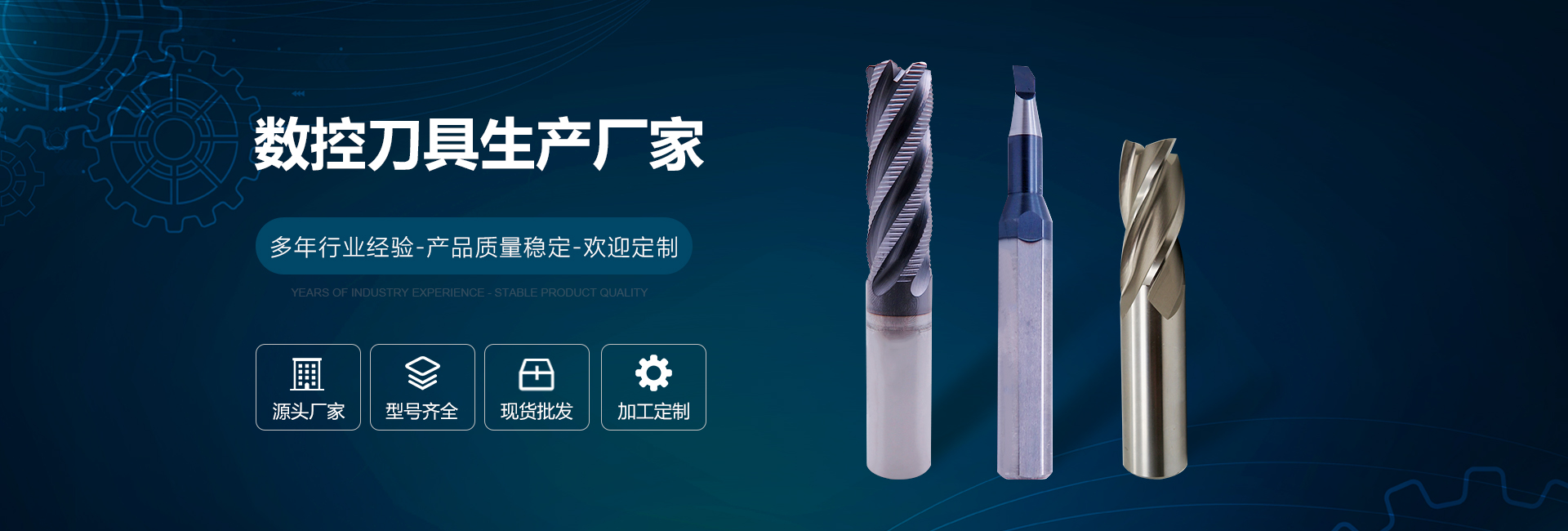
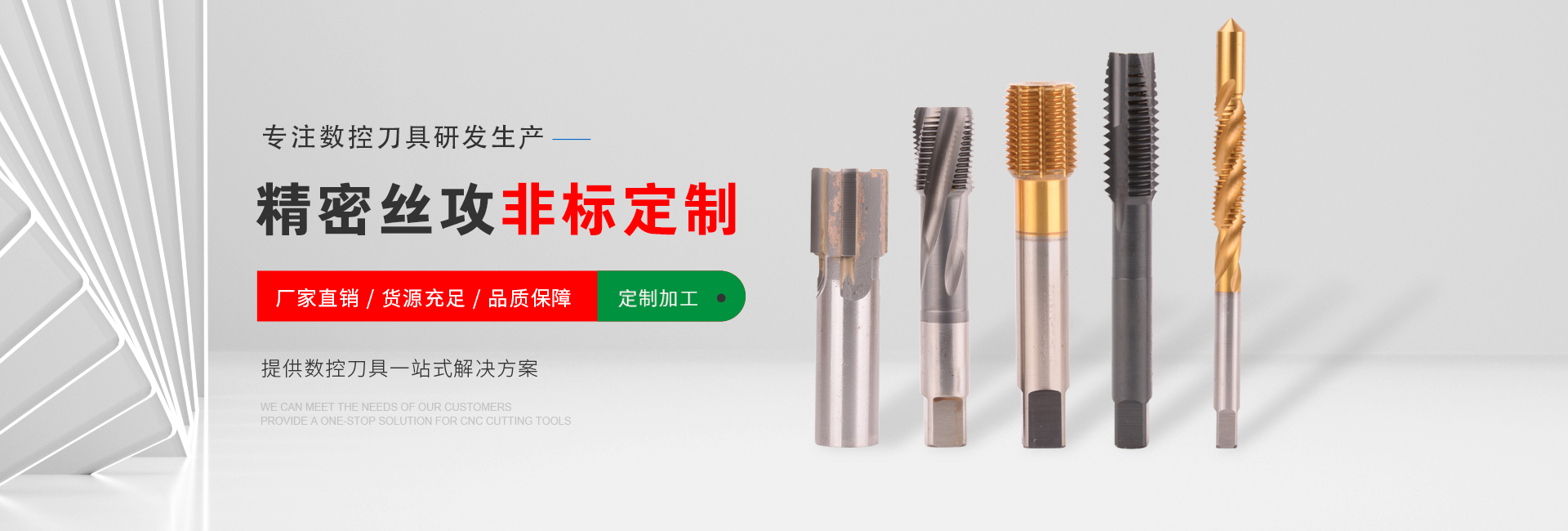
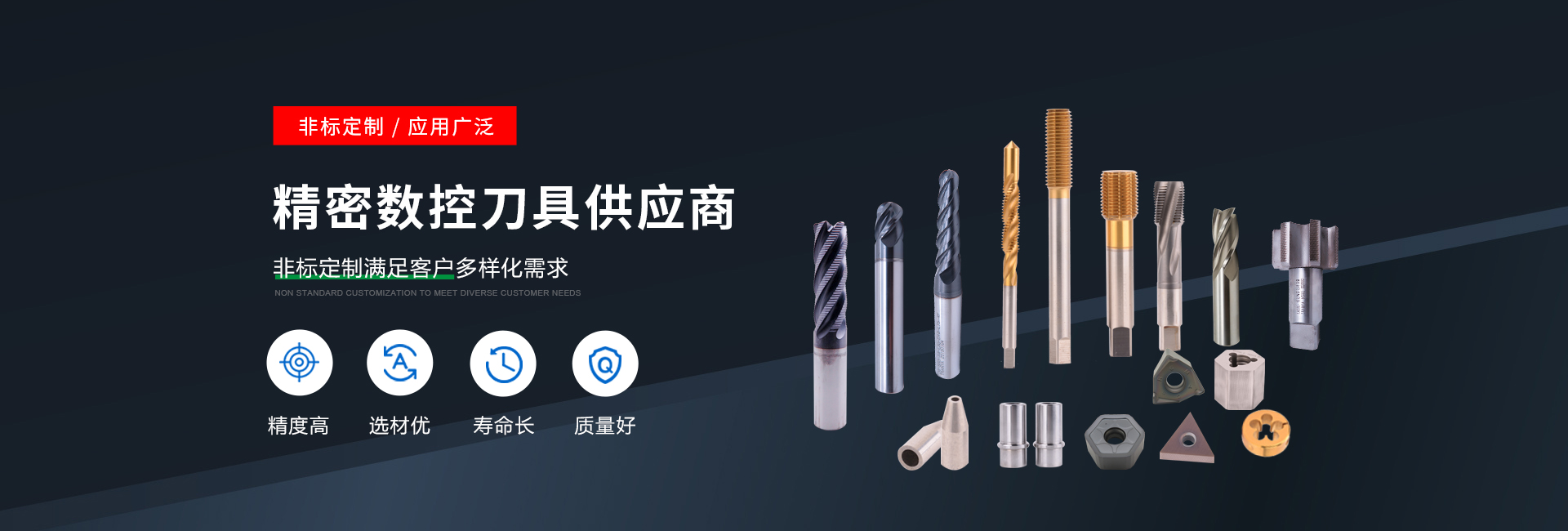

The number, arrangement, and welding angle of tungsten carbide inserts on drill bits vary, resulting in different shapes for tungsten carbide cutting tools. The bottom, inner, and outer cutting edges of the tungsten carbide drill bits ensure gaps for water flow and chip ejection. The upper part of the tungsten carbide drill body is connected to the core tube with a threaded connection, and the side of the drill body features water channels. The bottom lip also has water outlets. Both the water channels and outlets ensure the flow of flushing fluid, facilitating the removal of rock dust and cooling the drill bit. When drilling into clay and shale formations, to increase the gap, ribs are welded to the inner and outer walls of the hard alloy drill bits, known as ribbed drill bits.
The needle-shaped tungsten carbide self-grinding drill bits can be used in hard formations with high abrasiveness. Generally, tungsten carbide drill bits can penetrate strata with rock permeability levels of II to VII, while needle-shaped tungsten carbide drill bits can bore through levels VI to VIII.
Tungsten carbide drill bits are heavier than regular drill bits or high-speed steel drill bits when held in hand. When grinding on a standard gray abrasive wheel, the tungsten carbide drill bit produces a dark red spark and is difficult to grind, whereas regular drill bits or high-speed steel drill bits emit a brighter spark.
Tungsten carbide drill bits are brittle; if they fall from your hand, the cutting edge can chip off. Other drills won't chip like that.
Tungsten carbide is a high-hardness metal material widely used in industries, such as drill bits requiring high-hardness materials. However, it is quite expensive; a tungsten carbide piece the size of a pencil eraser costs about 100 meters, and prices are still rising.
2. Tungsten carbide, also known as tungsten-titanium alloy, is a hard metal with a Vickers hardness of 10K, second only to diamond. This is why products made of tungsten carbide, such as tungsten steel watches, are highly resistant to wear.
3. Consequently, tungsten carbide products, such as tungsten carbide watches, are known for their resistance to wear. They are commonly used on lathe tools, hammer drill bits, glass cutting blades, and tile cutters. They are hard and do not fear annealing, but are brittle.
