
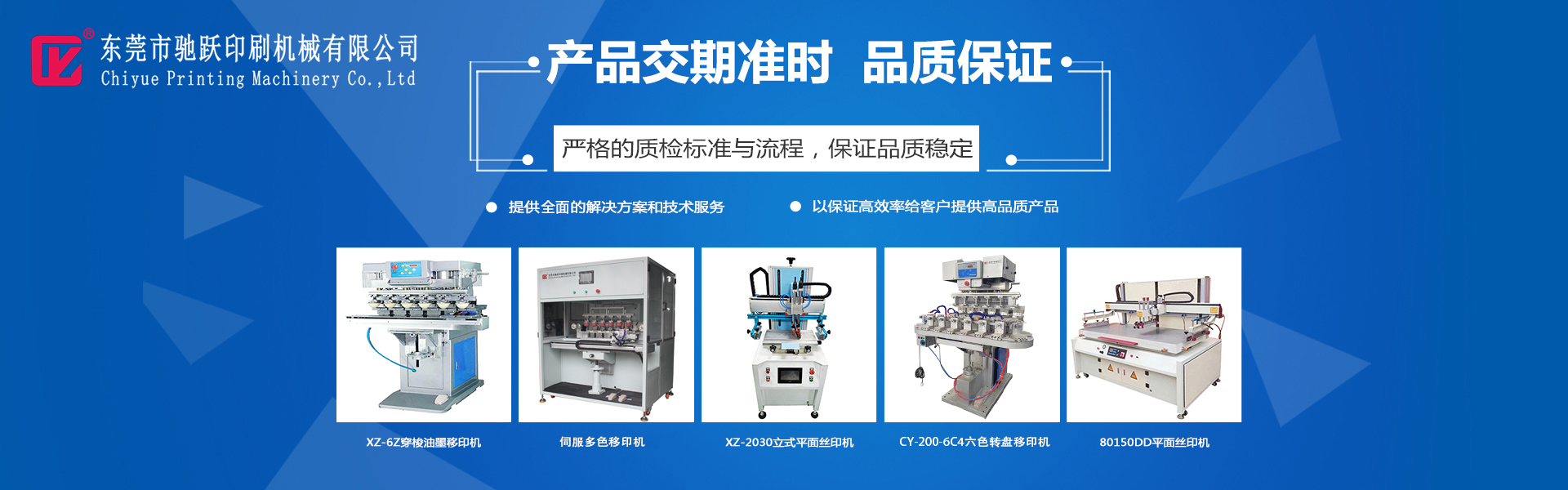
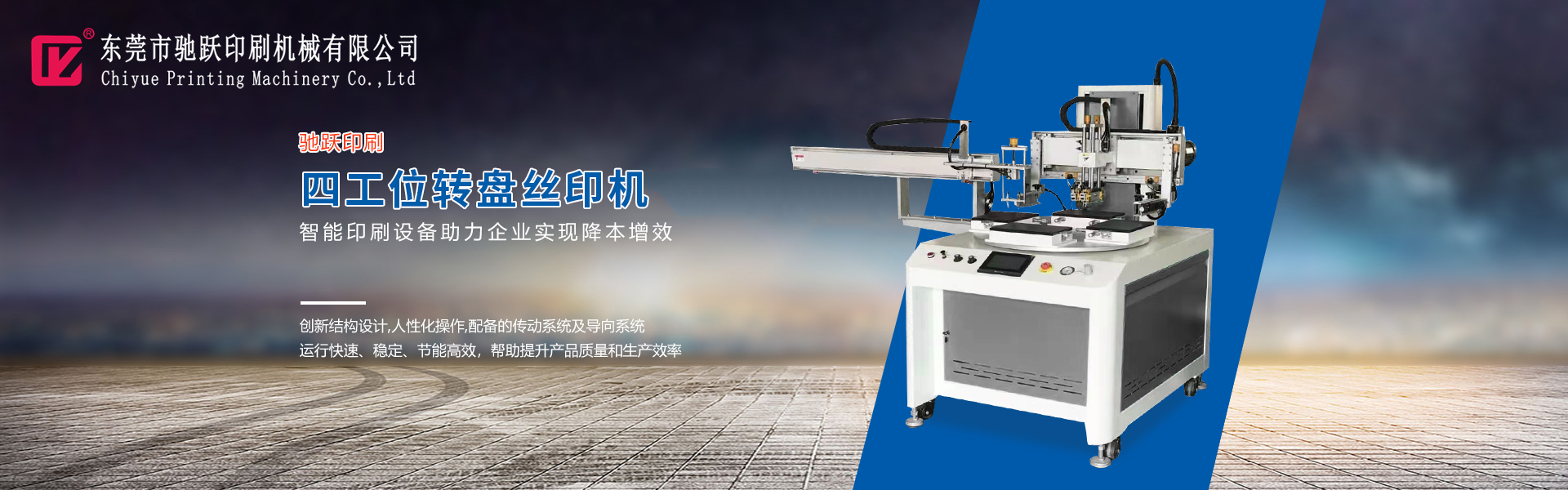

Screen Printing Machines are a type of screen printing equipment that transfers solder paste or adhesive for SMDs onto PCB pads using a silk screen. They are known for their efficiency, environmental friendliness, and energy-saving features. They can be categorized into vertical screen printers, inclined arm screen printers, turntable screen printers, four-column screen printers, and fully automatic screen printers. They are primarily used in the electronics manufacturing industry for printing screen marks on PCBs, labels on instrument外壳 panels, and solder paste printing during PCB processing. What should be noted before starting a screen printing machine?
1. Ensure thorough cleaning of the screen printing machine during use. Only after cleaning can the machine be utilized more effectively, preventing corrosion caused by dust and extending its lifespan. The interior of the screen printing machine must be in perfect condition, with no foreign objects present. Otherwise, it will certainly lead to operational hindrances. Only when it's in a normal state can it be used optimally.
2. Turn on the power switch on the screen printing machine's operation panel, and the touch screen will activate. Meanwhile, place the screen printing template in the arm plate holder and slightly secure it with a screw to facilitate future adjustments. After about three minutes of operation, the pressure in the street oil tank reaches 4, allowing you to open the exhaust valve on the air compressor. Close the valve rod when it is perpendicular to the air tube, and open it when it is parallel to the air tube. Under the drive of compressed air, the arm plate holder of the sieve plate fixture will rise to the upper limit to stop.
3. Select the point-and-click feature, choose the placement location, and then lower the arm plate bracket to the top of the printed circuit board honeycomb fixing platform. At this point, based on the pad position on the screen printing machine template, determine the approximate location of the fixed printed circuit board on the honeycomb fixing platform. Once the general location of the printed circuit board is determined, first raise it in the center to lift the arm plate bracket to the upper limit, then place the printed circuit board on the honeycomb fixing platform using the pin.
To enhance and increase the bonding strength between the printing ink and the substrate, it is necessary to intentionally preprocess the surface of the substrate to be screen printed. Not preprocessing the substrate surface before screen printing (including removing dust) is not acceptable. Some substrates require pre-screen printing treatment to improve the adhesion of the ink to the substrate. Additionally, post-screen printing processing is also required to meet the standards. The appropriate treatment method should be adopted based on the material of the substrate.
